‘Chalo Dilli’: CJP to hold another protest at Jantar Mantar over exam irregularities on June 20, awaits police clearance
CJP Announces 'Chalo Dilli' Protest at Jantar Mantar Over Exam Irregularities on June 20 Chalo Dilli, the rallying cry of the Cockroach Janta Party (CJP), is
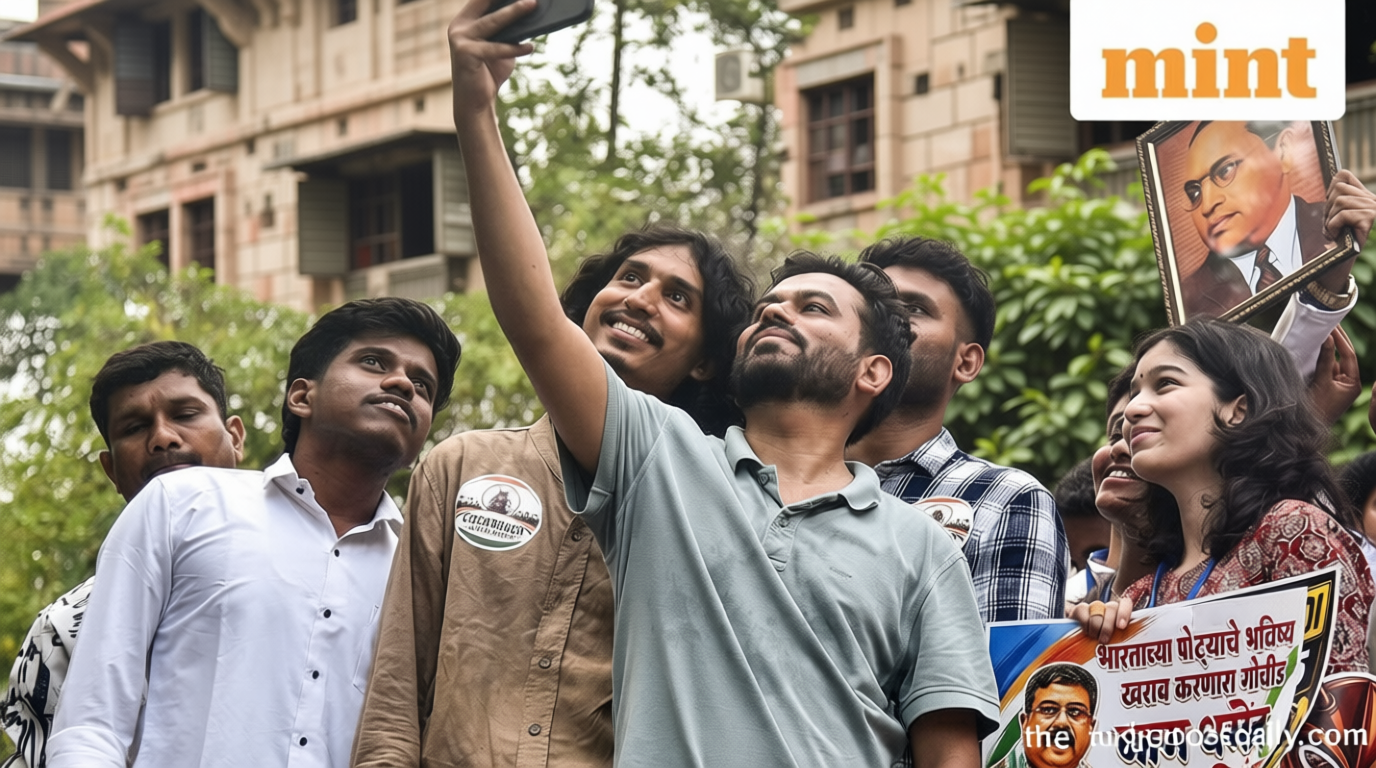
CJP Announces ‘Chalo Dilli’ Protest at Jantar Mantar Over Exam Irregularities on June 20
Theindiapostdaily.com – Chalo Dilli, the rallying cry of the Cockroach Janta Party (CJP), is set to echo again at Delhi’s iconic Jantar Mantar as the group prepares for a major protest on 20 June 2026. The movement, which has gained traction through grassroots efforts and online platforms, is seeking police clearance for a demonstration aimed at addressing alleged exam irregularities in the National Eligibility cum Entrance Test (NEET) and other competitive exams. The CJP has submitted all required documentation, including the number of participants and detailed logistical plans, to ensure the event runs smoothly. With the government’s recent Telegram ban in place until 22 June 2026, the protest organizers are keenly aware of the challenges in disseminating information, but remain confident in their preparations.
Roots of the Movement and Public Concerns
The Cockroach Janta Party, founded by a coalition of students and youth activists, has emerged as a vocal critic of systemic flaws in India’s education sector. Its focus on issues like NEET paper leaks, exam malpractice, and delayed recruitment processes has resonated with a growing number of citizens, particularly those affected by the rigors of competitive examinations. The ‘Chalo Dilli’ protests, named after the iconic slogan of the 1975 student movement, symbolize a renewed push for accountability and transparency in the educational system. CJP leaders argue that the recent NEET (UG) 2026 re-examination period has exposed deep-seated problems, from leaks to grading discrepancies, which have left many aspirants disillusioned.
“The ‘Chalo Dilli’ movement is not just about protests—it’s a demand for systemic change in how exams are conducted,” said a CJP official, emphasizing the group’s broader goals. “We want to ensure that every student has a fair chance to succeed, free from manipulation or bias.”
Telegram Ban and Its Impact on Protest Coordination
The temporary ban on Telegram, effective until 22 June 2026, has intensified the CJP’s efforts to organize the upcoming protest. The decision, taken under Section 69A of the Information Technology Act, 2000, followed allegations of exam paper leaks by the National Testing Agency (NTA). While the ban has limited the app’s role in spreading protest-related updates, the CJP has adapted by leveraging other platforms and physical outreach to mobilize participants. The movement has also highlighted how the ban underscores the government’s heightened scrutiny of digital communication tools in the context of educational controversies.
Although the CJP has managed to secure the police’s preliminary approval, the group is cautious about the potential for last-minute changes. “We are hopeful but prepared for any adjustments,” noted spokesperson Saurav Das. “The ‘Chalo Dilli’ protest is a key event in our campaign to hold the education ministry accountable for its handling of NEET and other exams.”
Previous Protests and National Resonance
Chalo Dilli protests have already drawn significant attention, with the first gathering on 6 June 2026 attracting thousands of participants across multiple cities. The movement has expanded beyond Delhi, with similar dharnas organized in Lucknow, Pune, Bengaluru, Amritsar, and Nagpur, reflecting widespread public discontent. These protests have been marked by calls for the resignation of Union Education Minister Dharmendra Pradhan, a demand that has gained momentum as evidence of exam irregularities mounts. The CJP’s activities align with a broader wave of activism targeting the education system, which has seen increasing scrutiny from civil society groups and media outlets.
Amid the ongoing protests, the CJP has emphasized the need for immediate action to address the root causes of exam malpractice. “The ‘Chalo Dilli’ movement is a response to years of neglect in the education sector,” said a senior member. “We are not just focused on the current issue but also on systemic reforms to prevent future scandals.”
Legal and Media Landscape
As the ‘Chalo Dilli’ protest approaches, the legal and media environments remain critical in shaping public perception. On 17 June 2026, the Delhi High Court rejected Telegram’s plea for an immediate stay on the app’s ban, reinforcing the government’s position on the issue. This legal development has added pressure on the CJP to ensure its protest remains well-organized and within the bounds of legal compliance. Meanwhile, media coverage has played a pivotal role in amplifying the movement’s message, with reports highlighting the emotional toll of exam irregularities on students and their families.
Analysts suggest that the combination of legal challenges and media attention will determine the success of the June 20 protest. “The ‘Chalo Dilli’ movement is a test of the government’s willingness to engage with dissent,” said a political commentator. “It also showcases the power of grassroots organizing in the digital age, despite the Telegram ban.”
Anticipated Outcomes and Long-Term Goals
The upcoming ‘Chalo Dilli’ protest at Jantar Mantar is expected to be a significant moment for the Cockroach Janta Party. With the NEET (UG) 2026 re-examination period still fresh in public memory, the movement aims to reiterate its demands for transparency and stricter oversight of exam conduct. CJP leaders have warned that if the protest is not given adequate support, it could escalate into larger demonstrations, potentially involving more stakeholders and drawing national-level scrutiny. “The ‘Chalo Dilli’ protest is a turning point for us,” Das remarked. “We hope it will force the government to take decisive action.”
As the June 20 date nears, the CJP continues to refine its strategy, ensuring that the protest remains peaceful yet impactful. The group’s emphasis on organized action reflects its maturity as a political force, while its reliance on the ‘Chalo Dilli’ slogan underscores the symbolic power of the movement. With the Delhi Police’s clearance still pending, the CJP is on high alert, ready to mobilize its supporters and take the issue to the streets in a bid to reshape the educational landscape in India.