CAQM pulls up Haryana pollution board over dust-monitoring lapses
With Delhi-NCR approaching the period when pollution levels usually worsen, the Commission for Air Quality Management (CAQM) has raised serious concerns over
CAQM Presses Haryana Pollution Board Over Faulty Dust-Monitoring System
Theindiapostdaily.com – With Delhi-NCR approaching the period when pollution levels usually worsen, the Commission for Air Quality Management (CAQM) has raised serious concerns over failures in Haryana’s monitoring of construction and demolition sites. The commission has said the Haryana State Pollution Control Board (HSPCB) has continued to fall short of requirements meant to ensure that dust-control measures can be checked remotely.
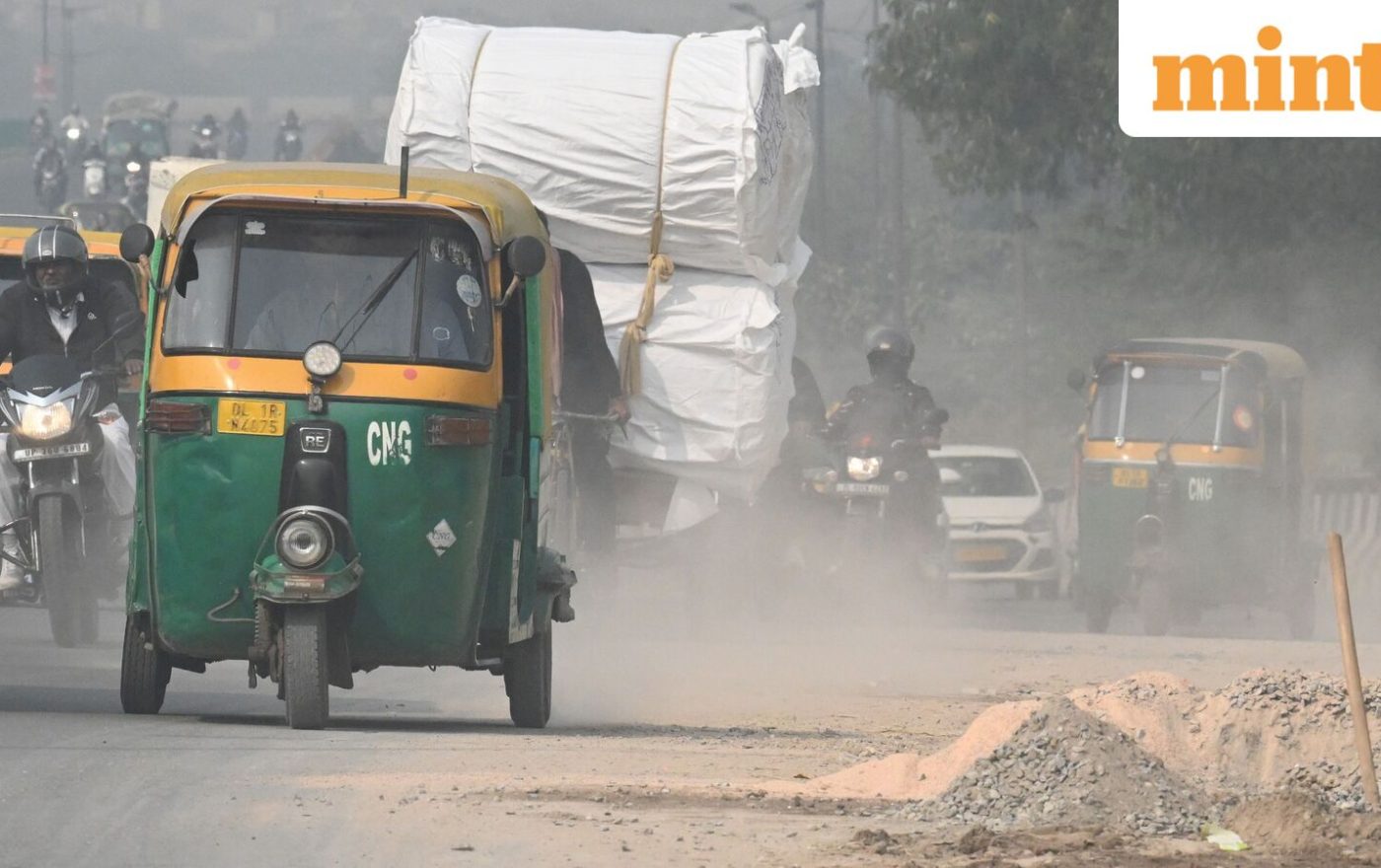
Construction and demolition, commonly referred to as C&D activity, can release significant quantities of dust if sites are not properly managed. In a densely connected region such as the National Capital Region, weak enforcement at large work sites can undermine wider efforts to limit airborne particulate pollution during the winter months.
CAQM, which operates under the Union environment ministry and works with Delhi, Punjab, Haryana, Rajasthan and Uttar Pradesh on air-quality issues, described the repeated shortcomings as “wilful non-compliance” by the designated enforcement authority in a statement issued on Wednesday.
“Wilful non-compliance”
The commission has sought details from HSPCB on compliance and on action taken in response to notices issued by CAQM. It has also instructed the state board to comply strictly with statutory directions, including corrective action that may involve closing C&D sites that fail to meet the prescribed requirements.
Camera links largely unavailable at surveyed sites
Remote oversight is a key part of the monitoring arrangement. CAQM has carried out sample-based checks of C&D locations through HSPCB’s web portal since 2024. The system is intended to give authorities access to web-camera feeds, allowing them to examine whether sites are following dust-mitigation rules without relying solely on physical inspections.
However, a remote exercise conducted from 19 to 22 June showed that camera connections at many major NCR locations in Haryana were unavailable or unusable. The scale of the issue was particularly apparent when the number of active sites was compared with the number of working links.
Panipat had 213 active C&D sites, while Sonipat had 457. Faridabad recorded 168 active sites, Gurugram North had 691, and Gurugram South had 484. Yet usable camera links were found at only four locations in Faridabad, six in Gurugram North and five in Gurugram South. Functional links were not available across the listed active sites in Panipat and Sonipat during that exercise.
The problems were not limited to one technical fault. CAQM identified incomplete links, inaccurate login information, URLs that did not work, and links that required a mobile application rather than normal web access. In some cases, cameras remained offline even after a successful login. Such gaps make it difficult for regulators to independently verify whether dust-control obligations are being followed on the ground.
Issues remained despite earlier warnings
CAQM had already brought the June findings to HSPCB’s attention on 8 July. The commission had also advised the Haryana board to form a dedicated remote-monitoring team. At a review meeting chaired by CAQM chairperson Rajesh Verma on 8 September, the commission noted that the portal-related discrepancies had continued despite having been repeatedly flagged since 2024.
No dedicated team had been deployed, CAQM said, and there had been no meaningful improvement in the functioning of the monitoring system. The commission’s intervention indicates that the concern is not merely about individual camera failures, but about the ability of the enforcement framework to operate reliably across a large number of sites.
Effective monitoring matters because dust prevention depends on daily compliance, not just rules on paper. Measures at construction and demolition locations can include practices designed to prevent loose material and vehicle movement from sending dust into the surrounding air. When camera access is unavailable, it becomes harder to confirm whether required measures are actually in place and being maintained.
Winter pollution challenge increases urgency
The timing of the directions is important for Delhi-NCR. Air quality in the region typically comes under greater strain during winter, making early and consistent action against preventable dust sources especially significant. C&D activity is among the major contributors to dust pollution in the National Capital Region, and weak supervision can allow avoidable emissions to continue.
CAQM has directed the concerned authorities to reinforce both monitoring and enforcement so that the required dust-mitigation measures are implemented effectively at work sites. The instruction covers compliance with existing statutory directions as well as action against sites that do not follow them.
For residents, reliable oversight of construction activity is closely tied to the larger clean-air effort. Pollution control in Delhi-NCR requires coordination across state boundaries because emissions and dust do not remain confined to one district or one city. A malfunctioning monitoring portal in one part of the region can therefore affect the broader ability to identify risks and respond quickly.
The commission has stressed that prompt execution of its orders and statutory directions is essential to prevent and reduce air pollution across the region. Haryana’s pollution board now faces pressure to show that camera systems are operational, enforcement arrangements are strengthened, and non-compliant construction and demolition sites are dealt with effectively before winter conditions intensify the region’s air-quality challenge.
Related Reading
Frequently Asked Questions
What is CAQM pulls up Haryana pollution board?
CAQM pulls up Haryana pollution board is the main topic of this guide. The article explains the context, practical details, and next steps readers should understand.
Why does CAQM pulls up Haryana pollution board matter?
CAQM pulls up Haryana pollution board matters because readers are looking for a useful answer, not just a short summary. Good content should match search intent and help them decide what to do next.