Box office flop to a sequel: How Awarapan became Bollywood’s most unlikely franchise bet – And why it’s a risk
Box Office Flop to Sequel: Awarapan’s Unlikely Bollywood Franchise Bet Box office flop to a sequel: Awarapan’s journey from a 2007 film that nearly vanished
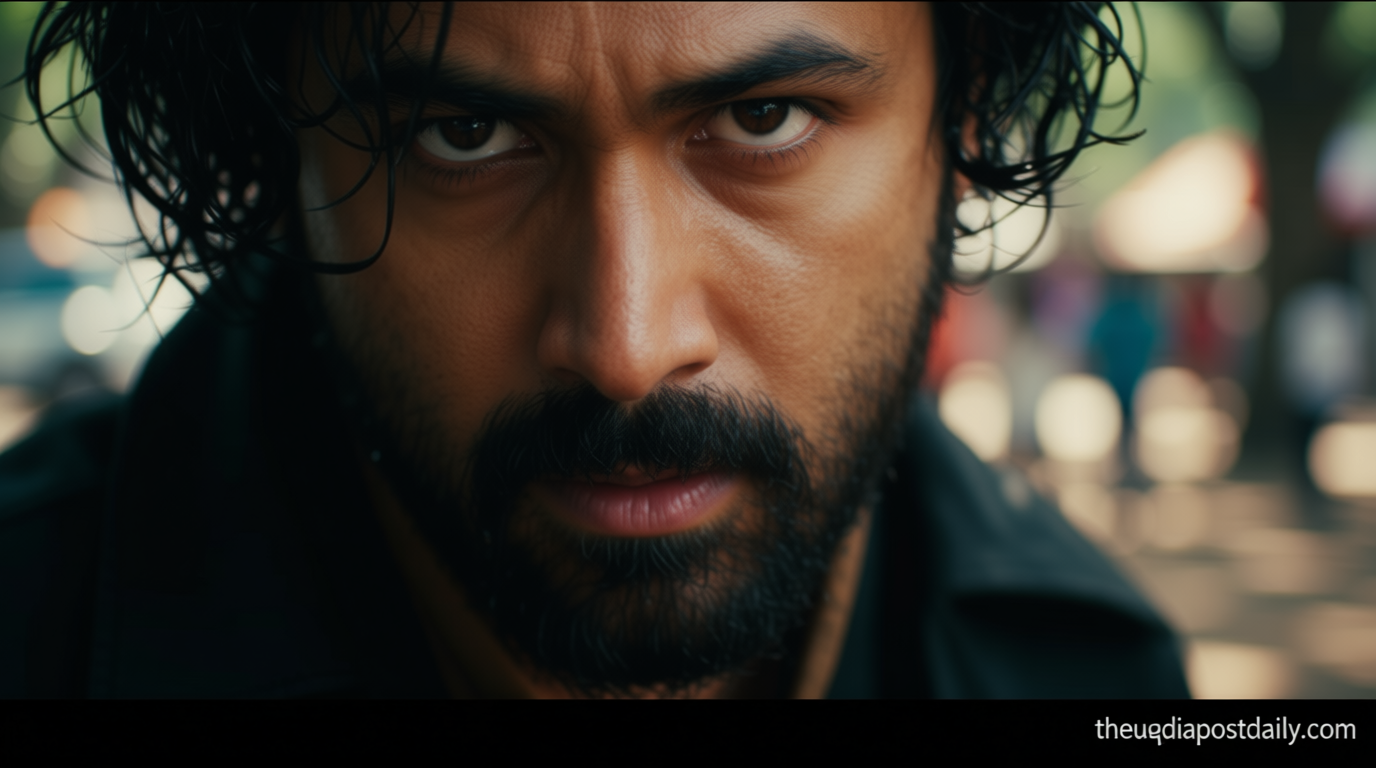
Box Office Flop to Sequel: Awarapan’s Unlikely Bollywood Franchise Bet
Theindiapostdaily.com – Box office flop to a sequel: Awarapan’s journey from a 2007 film that nearly vanished from public memory to a bold franchise revival in Bollywood is a testament to the evolving landscape of Indian cinema. The teaser for Awarapan 2 captured the imagination of audiences, proving that even a once-misfired project could find renewed relevance. This unexpected resurgence highlights how digital platforms and shifting audience preferences are reshaping the box office narrative, turning underperforming films into cultural touchstones.
The Original Film’s Struggles and Resilience
Released in June 2007, Awarapan directed by Mohit Suri and starring Emraan Hashmi as the brooding gangster Shivam Pandit, initially faced lukewarm reception. Despite critical praise for its emotional depth and visual storytelling, the film’s domestic earnings barely reached ₹8 crore, leaving it labeled a box office misstep. Its unconventional ending and thematic complexity alienated some viewers, yet it managed to linger in the collective consciousness through word-of-mouth and early digital exposure.
What initially seemed like a cinematic misfire began to gain traction on streaming platforms and social media. The film’s soundtrack, particularly the iconic “Toh Phir Aao” and “Tera Mera Rishta,” became anthems for online communities, often shared in memes and videos. Over time, this organic growth transformed Awarapan into a cult favorite, demonstrating that a film’s commercial failure doesn’t always mean its cultural impact is diminished.
The Franchise Gambit and Digital Success
Transforming a box office flop into a sequel is a high-stakes gamble, but for Bollywood, it has become an increasingly common strategy. Awarapan 2 leveraged the original’s nostalgic appeal, using its established characters and themes to build a connection with modern audiences. This approach mirrors the success of other films that gained traction post-theatrical release, such as Tumbbad, which redefined the concept of franchise potential in Indian cinema.
While the initial box office performance of Awarapan was modest, its digital footprint has grown exponentially. Television repeats, YouTube compilations, and social media discussions have kept the film alive, proving that traditional box office metrics are no longer the sole indicator of a film’s longevity. This shift allows studios to explore narratives that prioritize emotional resonance over immediate spectacle, redefining what it means to succeed in the industry.
“The original box-office failure matters less than current audience intensity,”
as trade analysts now acknowledge. Films like Awarapan and Tumbbad exemplify a new era where underperformance in theaters doesn’t equate to irrelevance. Instead, their ability to cultivate a devoted fanbase through digital engagement has made them prime candidates for sequel development, challenging conventional notions of cinematic success.
Challenges of Reviving a Franchise
Despite its growing popularity, reviving a box office flop as a sequel carries inherent risks. For Awarapan 2, the challenge lies in balancing nostalgia with innovation. Audiences may demand fresh content, and the pressure to surpass the original’s emotional impact can be daunting. Additionally, the film’s initial failure raises questions about its marketability: Can a sequel born from a forgotten film truly compete with established franchises?
Studios are also navigating the delicate task of aligning with contemporary trends. Awarapan 2’s teaser emphasized the original’s musical identity, but it also introduced new elements to appeal to today’s viewers. This blend of familiarity and reinvention is crucial for franchise sustainability. However, if the sequel fails to resonate, the original’s revival could backfire, reinforcing the idea that not all box office flops are destined for redemption.
The Broader Implications for Bollywood
The story of Awarapan reflects a broader trend in Bollywood: the growing reliance on digital platforms to revive underperforming projects. As streaming services and social media dominate audience engagement, the industry is rethinking its approach to storytelling and marketing. Box office flops that once faded into obscurity now have the potential to become cultural phenomena, thanks to algorithmic discovery and word-of-mouth virality.
While this strategy opens new avenues for creativity, it also risks diluting the quality of filmmaking. The focus on franchise potential may lead to formulaic sequels that prioritize nostalgia over originality. Yet, for films like Awarapan, the gamble pays off—proving that a box office flop can still find its way into the hearts of audiences, even decades after its initial release.