Boeing 737 MAX faces fresh safety concern as FAA proposes seat inspections
The United States Federal Aviation Administration (FAA) has announced a significant safety initiative that could impact hundreds of commercial aircraft
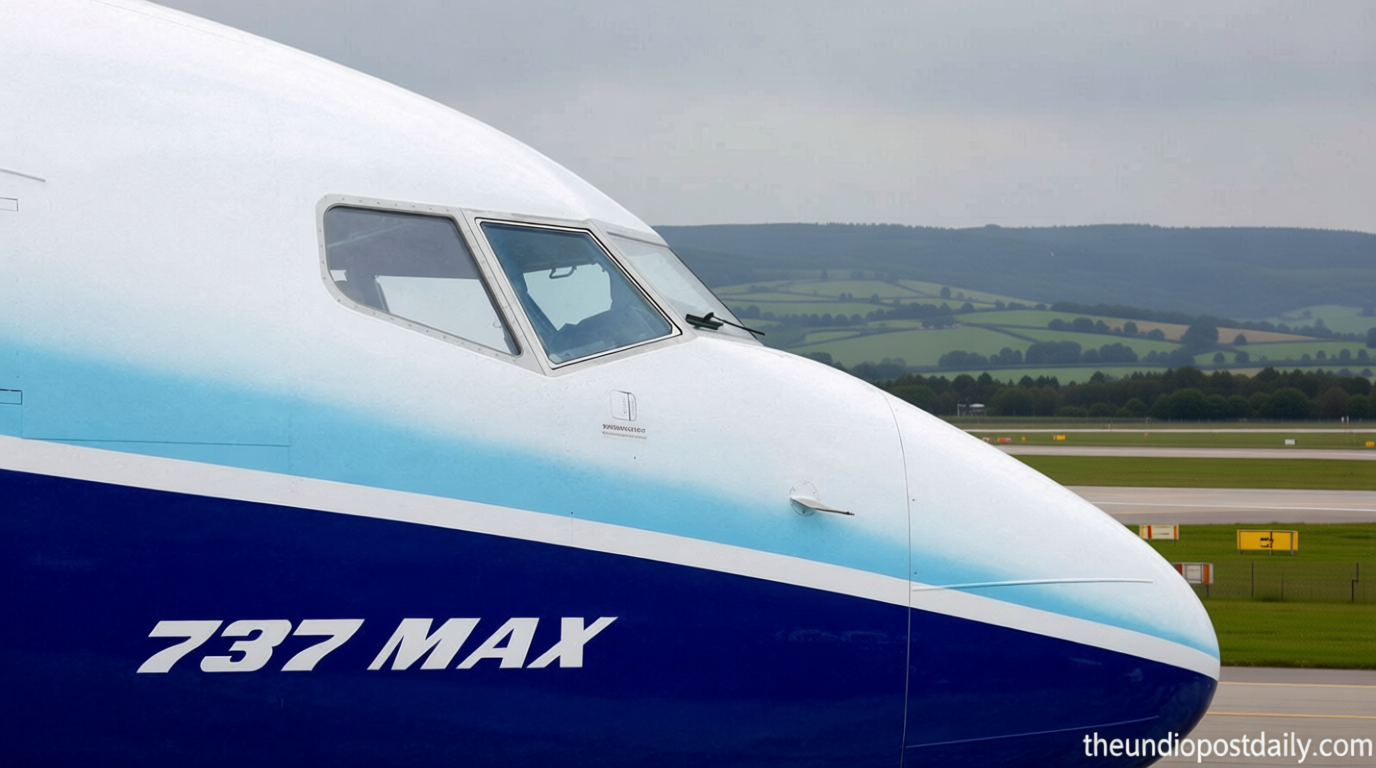
FAA Proposes New Seat Inspections for Boeing 737 MAX Fleet
Theindiapostdaily.com – The United States Federal Aviation Administration (FAA) has announced a significant safety initiative that could impact hundreds of commercial aircraft worldwide. The agency proposed a new airworthiness directive on Monday addressing concerns about passenger seat installations on Boeing 737 MAX jets. This development marks another chapter in the ongoing saga as Boeing 737 MAX faces fresh safety scrutiny from aviation regulators. According to Reuters, the directive would require inspections on 453 Boeing 737 MAX aircraft currently registered in the United States.
The core issue involves passenger seat assemblies that may have been improperly installed in the seat tracks during manufacturing or maintenance procedures. The FAA warned that these incorrectly positioned seats could pose serious risks during critical flight situations. If left uncorrected, the improperly installed seats could increase the likelihood of injuries to both passengers and crew members during emergency landings. Additionally, the malfunctioning seats could potentially slow down the evacuation process in emergency scenarios.
Understanding the Scope of the Problem
Each Boeing 737 MAX aircraft contains up to 69 track-mounted passenger seats that require careful inspection under the proposed directive. The FAA has outlined a straightforward inspection process that airlines can implement efficiently. According to agency estimates, inspecting the seats on a single aircraft would take approximately one hour. Any necessary repairs would require an additional hour of work, though the process would not demand extra parts beyond what airlines typically stock.
“Airlines can assign multiple workers to inspect and repair seats simultaneously, thereby reducing the total maintenance time per aircraft,” the FAA explained in its preliminary guidance.
The global implications of this directive extend well beyond American airspace. Around 2,300 Boeing 737 MAX aircraft are currently operating in service worldwide, with 823 of those jets registered in the United States alone. Aviation advisory and intelligence firm IBA provided these comprehensive figures. While the proposed directive specifically targets US-registered aircraft, foreign aviation regulators frequently adopt FAA directives, which could significantly expand the scope of required inspections internationally.
Boeing’s Response and Future Outlook
This latest safety concern arrives at a crucial moment for Boeing’s recovery efforts. The aerospace manufacturer is working diligently to improve production quality under the leadership of new CEO Kelly Ortberg. The company has faced mounting pressure following a series of manufacturing issues that have drawn intense public and regulatory attention. Most notably, Boeing has been under increased scrutiny since a door plug panel unexpectedly blew out of a recently delivered Alaska Airlines 737 MAX aircraft earlier this year.
Boeing has already taken proactive steps to address the seat installation issue. The company issued comprehensive guidance to airlines on the matter in December 2025. A Boeing spokesperson confirmed that the manufacturer fully supports making this guidance mandatory through the FAA’s proposed directive. The airline manufacturer has not yet specified a firm deadline for airlines to complete the required inspections and repairs under the new directive.
The proposed seat inspection directive adds to an already extensive list of issues affecting the Boeing 737 MAX program. The aircraft model has confronted repeated safety and manufacturing concerns since entering commercial service in 2017. Industry observers will be watching closely to see how quickly airlines can implement the required inspections and whether additional directives may follow as Boeing continues its quality improvement initiatives under new management leadership.