Bharat Taxi won’t replace Ola, Uber: Amit Shah explains its objectives, funding, safety measures and expansion plans
The Ministry of Cooperation has clarified that Bharat Taxi won't replace existing private ride-hailing platforms like Ola and Uber. Minister of Cooperation
Bharat Taxi Won’t Replace Ola, Uber: Key Details
Theindiapostdaily.com – The Ministry of Cooperation has clarified that Bharat Taxi won’t replace existing private ride-hailing platforms like Ola and Uber. Minister of Cooperation Amit Shah provided this assurance during a written response to the Lok Sabha on August 4, 2025. The cooperative-driven mobility service aims to complement rather than compete with established aggregators, focusing on driver welfare and passenger convenience through its unique cooperative framework.
Shah emphasized that the central government has not provided any financial assistance, equity support, or special incentives for the development of Bharat Taxi. The platform operates independently under Sahakar Taxi Cooperative Limited (STCL), which functions according to the Multi-State Cooperative Societies Act of 2002.
Understanding the Cooperative Model
Bharat Taxi represents India’s first cooperative-led ride-hailing network. According to Minister Shah’s parliamentary statement:
“The objective of Bharat Taxi is not to replace any private app-based taxi aggregators; rather, it aims to provide an alternative driver-centric and people-centric mobility platform based on the cooperative model.”
This innovative approach focuses on improving the economic conditions and social status of drivers, known as Sarathis, while offering reliable and affordable transportation services to passengers across multiple cities.
The platform benefits from the support of eight major national cooperative organizations: NCDC, IFFCO, Amul (GCMMF), KRIBHCO, NAFED, NABARD, NDDB, and NCEL. These institutions contribute through outreach programs, institutional partnerships, and member recruitment drives.
Safety Features and Fare Structure
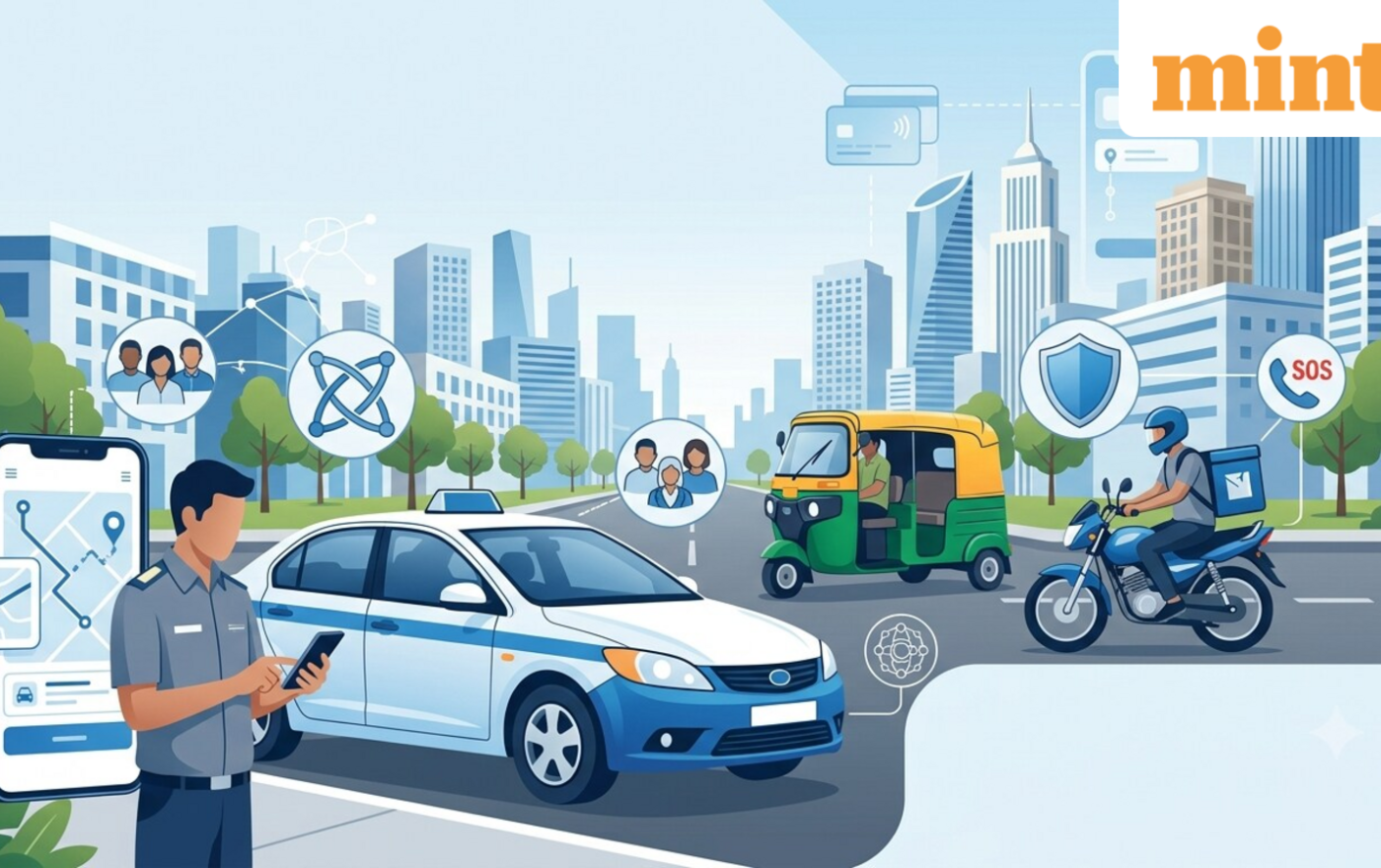
Passenger safety remains a cornerstone of the Bharat Taxi service. Both vehicles and drivers undergo thorough verification before joining the platform. The system maintains detailed trip records and enables communication with authorities when needed.
The safety framework includes several important features:
- Continuous trip documentation and tracking
- Emergency SOS buttons for passenger use
- Journey sharing with family members
- Direct coordination with state police departments
- Encrypted data storage following DPDP Act 2023 guidelines
Fare calculations follow a transparent process that considers input from State Transport Authorities, Sarathi representatives, and other stakeholders. Pricing adjustments account for operational costs and regional transport dynamics.
Expansion Plans and Current Operations
Bharat Taxi currently operates in six key regions: Delhi-NCR, Gujarat, Maharashtra, Rajasthan, Uttar Pradesh, and Chandigarh. The network supports three vehicle categories—cabs, autos, and bikes—with Delhi-NCR leading with 2.61 lakh registered Sarathis.
By July 28, 2026, the platform had registered 8.27 lakh drivers nationwide. Future expansion will target additional cities and states based on operational requirements and necessary approvals.
The growth strategy includes partnerships with airports, railway stations, and metro networks to enhance last-mile connectivity for passengers across India.
Frequently Asked Questions
Q: Will Bharat Taxi replace Ola and Uber? A: No, Bharat Taxi won’t replace existing private aggregators. It serves as an alternative cooperative-based platform.
Q: Does the government provide financial support? A: The central government has not provided any monetary aid, equity backing, or special incentives for the platform.
Q: How many cities does Bharat Taxi currently serve? A: The platform operates in six regions including Delhi-NCR, Gujarat, Maharashtra, Rajasthan, Uttar Pradesh, and Chandigarh.
Q: What safety measures are in place? A: Safety features include trip logging, SOS buttons, journey sharing, police coordination, and encrypted data storage.