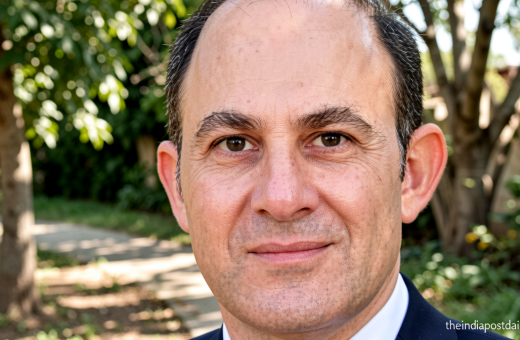
Bengaluru CEO reveals how hectic work schedule left him in ICU for 4 months: ‘Sunday was just a slower Monday’
In the corridors of India's startup ecosystem, the phrase "hustle culture" has become almost a badge of honour. Founders speak of 16-hour days, weekend
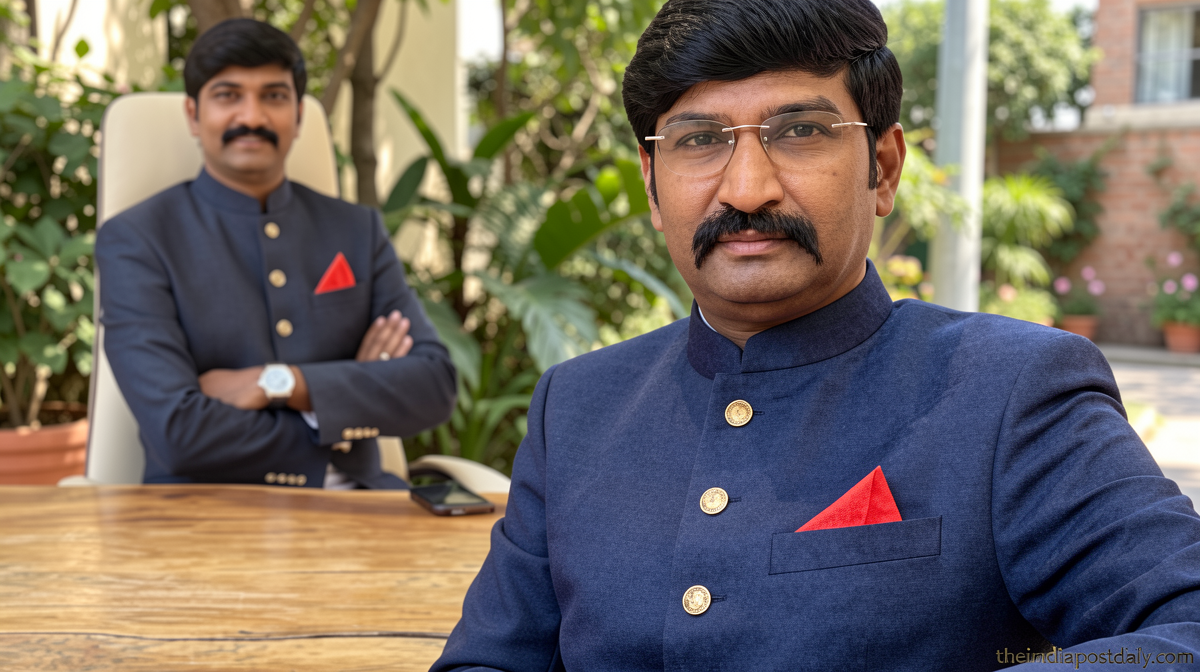
Four Months in ICU: A Bengaluru Founder’s Wake-Up Call on the Cost of Never Stopping
Theindiapostdaily.com – In the corridors of India’s startup ecosystem, the phrase “hustle culture” has become almost a badge of honour. Founders speak of 16-hour days, weekend factory runs, and the quiet guilt of missing a family dinner because a supplier call came through. Sivaram Briyas, co-founder of MillD Protein Atta and the man who launched Briyas Tofu back in 2014, lived that script for years. The result was not a promotion or a product milestone. It was a four-month stay in an intensive care unit.
Briyas has now spoken publicly about what those months meant, sharing his account on LinkedIn in a post that has resonated with a generation of Indian entrepreneurs who recognise their own routines in his words. His story is less about one dramatic collapse and more about the slow accumulation of small surrenders — a Sunday call here, a “quick” factory visit that stretched into hours there — until the body simply stopped cooperating.
The Sunday That Was Never Really a Sunday
For most of his career, Briyas described his weekends as indistinguishable from weekdays, save for a slightly lower tempo. He was physically home, sometimes seated at the dinner table with his family, yet mentally elsewhere — running inventory figures, fielding supplier queries, mentally rehearsing the next production run.
“I answered calls. I visited the factory ‘for ten minutes’ that became three hours. I told my family I was present while my mind ran inventory numbers.”
That pattern, he acknowledged, was not an anomaly. It was the operating rhythm. The factory floor, the phone, the spreadsheet — these occupied the hours that were supposed to belong to rest. Over years, the cumulative load compounded in ways that no single weekend could reveal.
The Body Keeps Score
The reckoning arrived not as a gradual decline but as a sudden, total shutdown. Briyas ended up in an ICU for four consecutive months. In his own framing, the irony was not lost on him: after years of never taking a day off, he received every off day at once, in a hospital bed.
“Then I spent four months in an ICU, and I got all my off days at once.”
For context, a four-month ICU stay is an extraordinary medical event. It typically signals a cascade of complications — infection, organ stress, or a surgical recovery that went far beyond the expected timeline. While Briyas has not detailed the specific medical conditions that led to his admission, the duration itself underscores how deeply prolonged overwork can erode physiological resilience. In India’s fast-growing food-tech and plant-based protein sector, where production schedules are relentless and margins are thin, founders often treat their own bodies as another line item to be optimised. Briyas’s experience is a stark reminder that the optimisation eventually fails.
What the Doctors Said in the Quiet Hours
Confined to a bed, with nothing to do but wait, Briyas found himself turning over a piece of medical advice his doctors had offered. The principle was simple, almost embarrassingly so: the body does not build strength during exertion. It builds strength during recovery. The surgery, the strain, the effort — those are the damage. The healing happens in the intervals: in sleep, in nutrition, in the long stretches of doing nothing.
“Lying there, I kept thinking about something the doctors told me about recovery. The body doesn’t grow stronger during effort. It grows stronger during rest. The surgery is the damage. The healing happens in between, in the sleeping, the eating, the waiting.”
The analogy, once internalised, reframes everything. A founder who never stops is not building a stronger company; he is accumulating micro-damage with no recovery window. The muscle metaphor, borrowed from exercise physiology, maps uncomfortably well onto entrepreneurial stamina.
Rebuilding the Week
Since leaving the hospital, Briyas has restructured his relationship with time. He still works intensely — perhaps more intensely than before, he says, because the compressed schedule demands greater focus per hour. But one boundary is now non-negotiable: Sundays are off-limits for work.
“I still work hard. Probably harder than before, because now there’s less time and more purpose. But I try to protect my Sundays now. Not because I’ve earned rest. Because rest is where the work completes itself.”
He also extended the rest principle into his thinking about strategy. The breakthrough insight, he argues, rarely arrives in a boardroom. It surfaces on the walk home after the meeting, or at a Sunday lunch table, watching how his own family actually uses a product. The dashboard does not generate customer empathy; a quiet afternoon does.
“The thinking that changes a company rarely happens in the meeting. It happens on the walk after the meeting. The customer insight doesn’t arrive while staring at a dashboard. It arrives at a Sunday lunch, watching how your own family actually eats.”
A Broader Mirror
Briyas’s account lands at a moment when Indian founders are increasingly vocal about burnout, mental-health strain, and the physical costs of sustained overwork. Bengaluru, often called India’s startup capital, has produced a dense cluster of food-tech, agritech, and consumer-protein ventures in the last decade. Many of these companies operate on thin margins, tight production cycles, and founder-led operations where the CEO is simultaneously the quality-control officer, the salesperson, and the night-shift supervisor. In that environment, the line between “working hard” and “working yourself into a hospital” can blur faster than anyone expects.
What makes Briyas’s story instructive is not that he stopped working. He did not. What changed was the architecture of his week — the deliberate insertion of recovery into a schedule that had previously treated rest as a failure state. Whether that single structural shift is sufficient to prevent a second collapse is, of course, a question only time will answer. But the four months in the ICU, and the quiet lesson his doctors pressed into him during those months, have at least made one thing unmistakably clear: the work completes itself in the silence between the efforts. Ignoring that silence is not dedication. It is a slow, expensive form of self-sabotage.
Related Reading
Frequently Asked Questions
What is Bengaluru CEO reveals how hectic work?
Bengaluru CEO reveals how hectic work is the main topic of this guide. The article explains the context, practical details, and next steps readers should understand.
Why does Bengaluru CEO reveals how hectic work matter?
Bengaluru CEO reveals how hectic work matters because readers are looking for a useful answer, not just a short summary. Good content should match search intent and help them decide what to do next.