Being a president is ‘a very lonely road,’ says Cyprus’ head in Nikhil Kamath’s podcast
Being a President Is a Very Lonely Road: Cyprus Leader Shares Insights in Zerodha Podcast Theindiapostdaily.com – In a candid conversation during a recent podcast, Nikhil Kamath, founder and CEO…
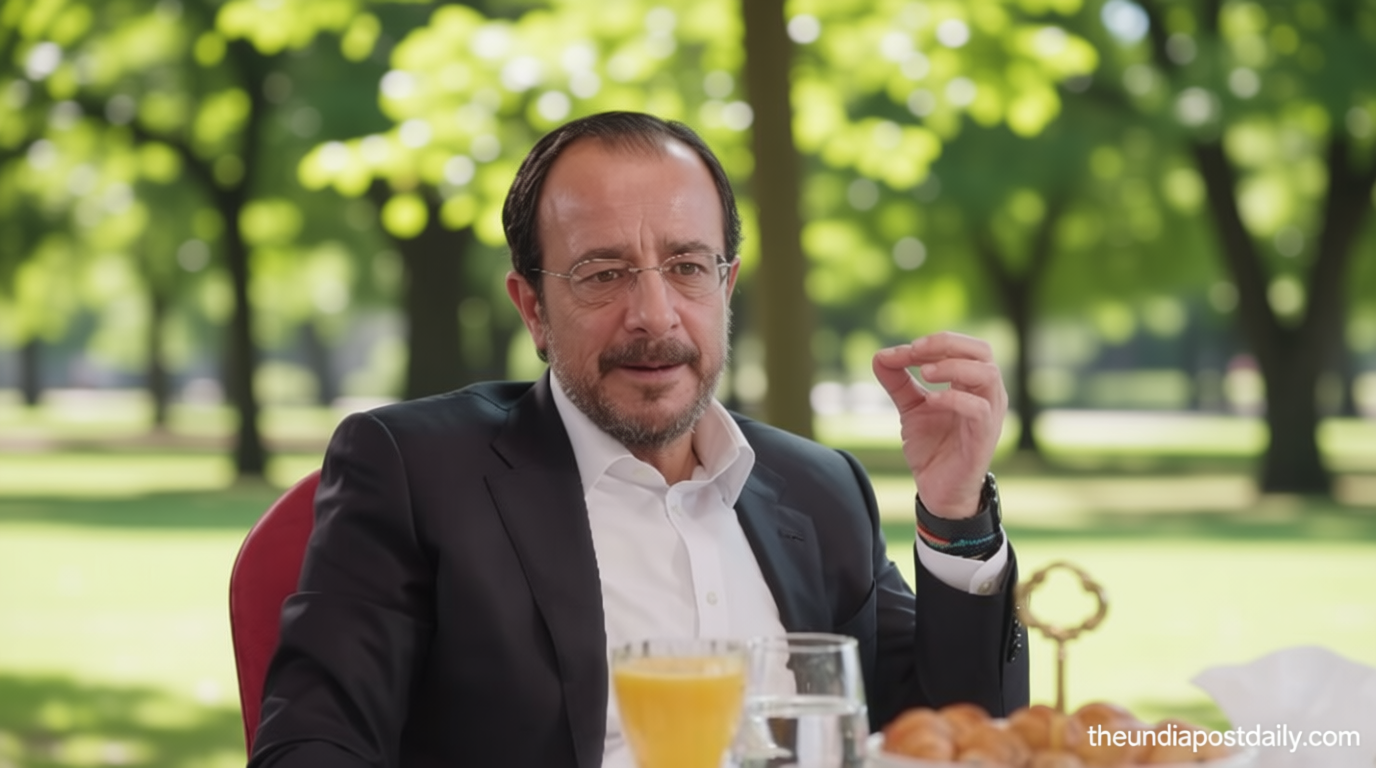
Being a President Is a Very Lonely Road: Cyprus Leader Shares Insights in Zerodha Podcast
Theindiapostdaily.com – In a candid conversation during a recent podcast, Nikhil Kamath, founder and CEO of Zerodha, engaged with Nikos Christodoulides, the current president of Cyprus. The discussion highlighted the unique challenges of holding the highest political office, with Christodoulides describing the experience as “a very lonely road.” His reflections underscored the emotional and strategic isolation leaders face when making tough decisions that shape a nation’s future.
The Burden of Decision-Making
Christodoulides emphasized that leadership demands constant vigilance and the ability to prioritize long-term goals over immediate gratification. “Being a president is a very solitary journey,” he stated, explaining how the weight of responsibility often separates leaders from public applause. He described the mental and emotional toll of navigating complex political landscapes, where every move carries far-reaching consequences for millions of people.
“You need to take difficult decisions every day. And that’s why you should never forget that you are here in order to change your country, not to please the voters the next day, or have good articles in the press. What matters is the legacy you leave in books of history, not the headlines you create.”
The president’s perspective resonated with Kamath, who noted how Christodoulides’ approach contrasts with the typical pursuit of popularity. “Most people chase the top job to be liked,” Kamath observed in an Instagram post, “but he told me the opposite: a historian who became a president, and decided early that the point was to change the country, not to please the room. Even if that means the loneliest version of the job.”
Leadership as a Historical Legacy
Christodoulides’ transition from historian to political leader adds a unique dimension to his leadership style. He stressed that his academic background has shaped his understanding of governance, urging leaders to think beyond electoral cycles. “It’s very important when you are in power to decide without thinking about the next elections,” he said, emphasizing the need to act in the interest of future generations.
“Because you may do something today to please everybody, get the best articles and coverage in the newspapers. But in the books of history, in 50 years, it will say he or she failed.”
Kamath highlighted the importance of Christodoulides’ message in today’s political climate, where short-term gains often overshadow long-term vision. The podcast episode, which attracted significant attention, became a platform for discussing how leaders balance public expectations with the demands of historical impact. Christodoulides’ insights offer a rare glimpse into the mindset of a president grappling with both the spotlight and the shadows of solitude.
Christodoulides, the 8th president of Cyprus and in office since 2023, has faced the dual challenges of navigating post-conflict reconciliation efforts and steering the country toward economic recovery. His focus on sustained progress over fleeting popularity aligns with his philosophy of leadership, which prioritizes systemic change over temporary political alliances. This approach has drawn both admiration and scrutiny, as the president seeks to redefine Cyprus’ trajectory in a rapidly evolving global landscape.
As the podcast delves deeper into his leadership journey, Christodoulides acknowledges the personal sacrifices required to maintain this vision. “You need to be very specific about what you want to achieve,” he explained, “and always keep in mind that changes will come probably after you leave the office.” This mindset, he argues, is essential for leaders aiming to leave a meaningful mark on history rather than simply surviving the present.