Ankur Warikoo says he rejected ₹100-crore buyout offer in 4 minutes, internet questions claim
Ankur Warikoo Rejects ₹100 Crore Buyout in 4 Minutes, Sparking Online Debate Theindiapostdaily.com – Ankur Warikoo, a prominent tech entrepreneur and co-founder of the edtech startup WebVeda, recently sparked a…
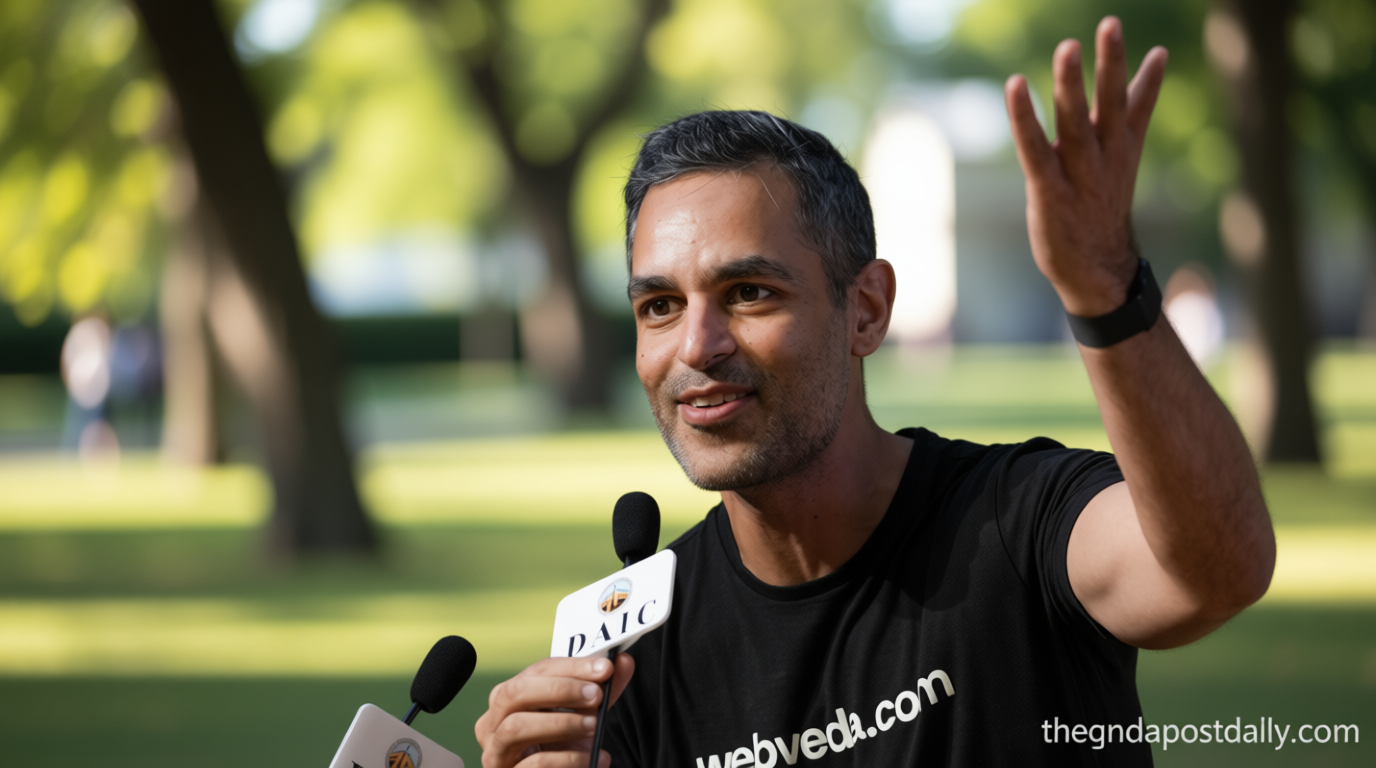
Ankur Warikoo Rejects ₹100 Crore Buyout in 4 Minutes, Sparking Online Debate
Theindiapostdaily.com – Ankur Warikoo, a prominent tech entrepreneur and co-founder of the edtech startup WebVeda, recently sparked a heated conversation online by revealing he turned down a ₹100 crore buyout offer in just four minutes. The decision, which he described as a strategic move to safeguard his company’s mission, has led to a flurry of reactions, with some applauding his commitment to accessible education while others question the valuation and transparency of the deal. His quick rejection highlights a growing debate about the balance between financial opportunities and long-term vision in the startup ecosystem.
Quick Rejection of a ₹100 Crore Offer
Mr. Warikoo shared the story on social media platform X (formerly Twitter), claiming the offer was presented to him last month. Despite the lucrative terms, he opted for immediate action, stating, “I said no in 4 minutes.” This rapid decision surprised many, as the acquisition was reportedly a significant opportunity to secure a profitable exit. However, his reasoning emphasized the company’s core values, which prioritize affordable education for underserved communities. The post quickly went viral, with users dissecting the terms and debating whether the rejection was a bold stance or a publicity stunt.
“On paper, it was free money and an easy exit. I said no in 4 minutes,” he wrote.
Valuation Concerns and Mission-Driven Rationale
The ₹100 crore offer, while substantial, has raised questions about WebVeda’s valuation. Critics argue that the high multiple may not align with the company’s current financials, especially given its reliance on Warikoo’s personal brand and the competitive nature of the edtech industry. He explained that the deal came with a condition to raise course fees to ₹3,999, a move he feared would undermine his company’s mission to provide education to students in low-income areas. “WebVeda exists so a kid in Kanpur earning ₹18,000 a month can afford to learn. The day that stops being true, the company has no reason to exist,” he stated, reinforcing his belief that affordability is central to the startup’s purpose.
Public Scrutiny and Financial Misunderstandings
Warikoo’s announcement has drawn sharp criticism, with some accusing him of overhyping the deal for personal gain. One user questioned the valuation, suggesting that businesses dependent on a founder’s reputation are seldom valued at 10x sales without a clear justification. Others speculated that the quick rejection was a calculated move to generate media attention, labeling it a “trust me bro” scenario. Despite these doubts, supporters defended his decision, arguing that it reflects a rare blend of idealism and business acumen in a rapidly evolving market.
Industry Context and Competitive Dynamics
The edtech sector has seen explosive growth in recent years, with startups vying for investor interest amid rising demand for online learning solutions. WebVeda, which offers affordable courses to students in Tier-2 and Tier-3 cities, has carved a niche by focusing on accessibility rather than premium pricing. However, the ₹100 crore offer represents a significant milestone, as it would place the company among the top-tier acquisitions in the sector. Industry experts note that such high valuations often depend on factors like scalability, market potential, and the founder’s influence, which Warikoo’s post has brought into question.
Founder’s Defense and Strategic Vision
In response to skepticism, Warikoo clarified that the rejection was not a whim but a deliberate choice to prioritize his company’s long-term goals. He emphasized that the deal’s terms, particularly the planned price hikes, conflicted with his vision for WebVeda. “If I had accepted, the affordability that makes us unique would have been compromised,” he said. Supporters praised his transparency, arguing that the decision underscores his dedication to education equity rather than short-term profit. Meanwhile, opponents remain unconvinced, citing the opportunity cost of turning down a potentially life-changing deal.
“Don’t embarrass yourself by your lack of business understanding,” he told one critic, defending his stance against scrutiny.
Broader Implications for Startups
Warikoo’s swift rejection of the ₹100 crore offer has sparked a wider conversation about the pressures startups face to accept lucrative deals. Many founders find themselves balancing the need for financial stability with the desire to maintain their mission-driven approach. His case is particularly notable because it highlights the tension between market valuation and social impact. As the edtech landscape continues to evolve, such decisions may serve as a blueprint for other entrepreneurs navigating similar dilemmas. The debate around WebVeda’s valuation is unlikely to subside, as both supporters and critics await further developments from the startup’s future plans.