Ankur Warikoo raises red flag over WhatsApp’s username feature: ‘This could be a disaster’
's Username Feature Ankur Warikoo raises red flag over WhatsApp's username feature, cautioning that the update could significantly compromise user privacy and
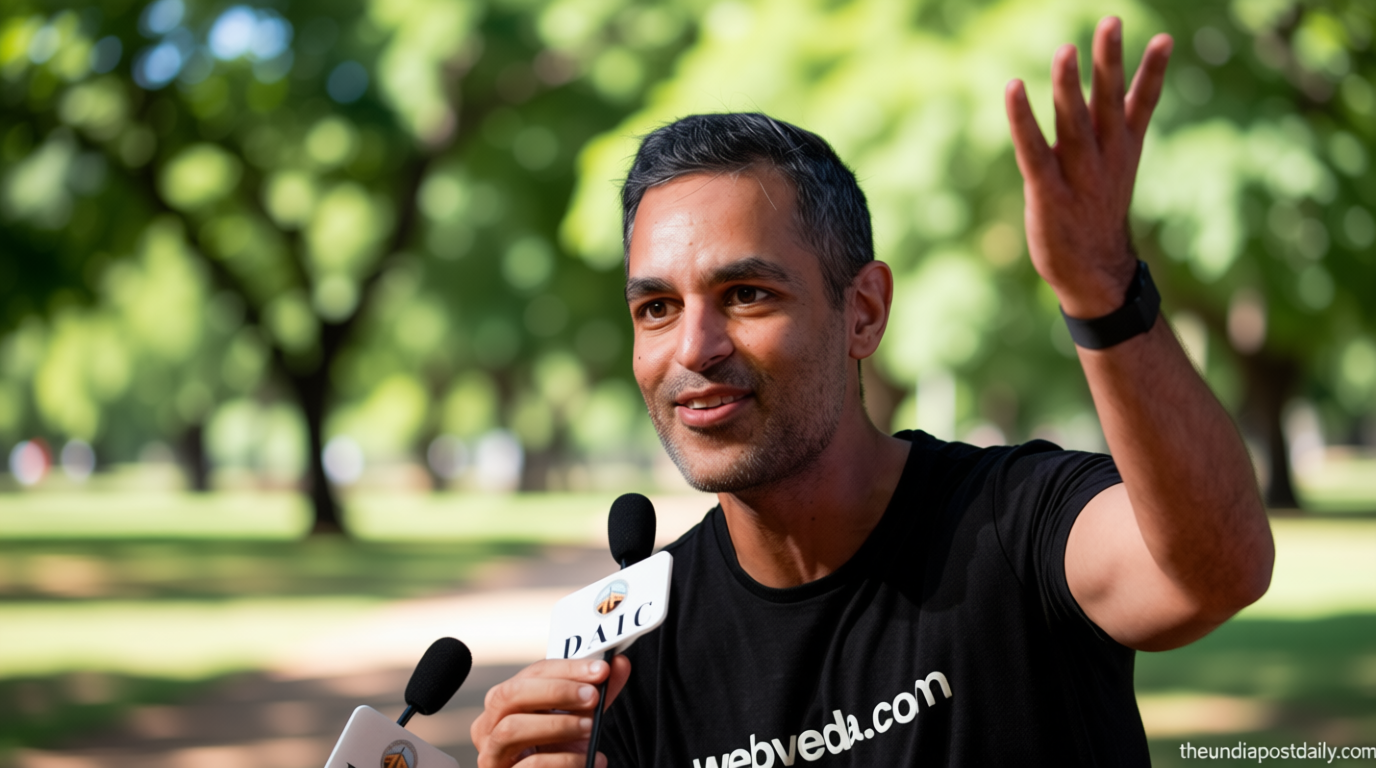
Ankur Warikoo Raises Red Flag Over WhatsApp’s Username Feature
Theindiapostdaily.com – Ankur Warikoo raises red flag over WhatsApp’s username feature, cautioning that the update could significantly compromise user privacy and open the door to widespread impersonation. The tech expert, known for his犀利 critiques of digital platforms, has warned that without stringent safeguards, the feature may lead to a surge in scam activities, particularly in countries like India where online fraud is prevalent. His concerns stem from the potential for usernames to be used as deceptive tools, blurring the lines between genuine identity and fabricated ones.
The New Privacy Feature and Its Risks
WhatsApp’s username feature allows users to create custom names for their accounts, replacing phone numbers as the primary identifier in conversations. While this is marketed as a privacy enhancement, Warikoo argues that it could be a double-edged sword. The change, he says, makes it easier for malicious actors to impersonate individuals, especially when usernames are not linked to phone numbers in a verifiable way. This could enable scammers to craft names that closely resemble those of public figures or celebrities, leading to targeted fraud.
Warikoo’s primary worry is that users might not recognize the verification process if WhatsApp introduces a way to mark verified usernames. Without clear indicators, people could unknowingly interact with impostors, sending money or sharing sensitive information under the guise of a trusted contact. “Even with verification, if it’s not intuitive or widely adopted, the risk remains high,” he explained.
Warikoo’s Past Experience with Scams
Warikoo’s apprehensions are not new. He previously challenged Meta’s handling of AI-generated scam ads that used his image to deceive users. Those ads were part of a campaign that lured people into fraudulent WhatsApp groups, demonstrating how easily digital identities can be manipulated. He now fears that the username feature could be exploited similarly, with scammers creating names like “warikoo” or “awarikoo” to mimic his own. “This feature could amplify the scale of such scams,” he said, adding that the lack of immediate verification might leave users vulnerable.
He emphasized that the feature’s success depends on how quickly WhatsApp can implement anti-abuse measures. “If they don’t act swiftly, this could be a disaster,” Warikoo stated. His warning highlights the need for a robust system that can differentiate between real users and impersonators, especially in a country where over 1 billion people use WhatsApp daily.
Public Reaction and Industry Concerns
Warikoo’s concerns have sparked a lively debate on social media, with users divided on the feature’s merits and risks. Some see it as a privacy breakthrough, offering a way to communicate without revealing personal phone numbers. Others, however, argue that the feature could be misused if not properly regulated. One user commented, “Usernames are great for privacy, but what happens when scammers use them to target people without revealing their phone numbers? Strong verification and law enforcement are critical.”
Industry experts have also weighed in, noting that while the feature enhances convenience, it requires a clear mechanism for accountability. “Ankur Warikoo raises red flag over WhatsApp’s decision to prioritize ease of use over security,” said one analyst, highlighting the need for a system that links usernames to verified identities. The conversation underscores the delicate balance between privacy and the risk of digital fraud, a challenge WhatsApp now faces as it prepares for the feature’s rollout.
Implications for Digital Identity and Trust
The introduction of usernames raises important questions about how users perceive trust in digital communications. With phone numbers becoming optional, the reliance on visual cues like names for verification may diminish, making it harder for users to discern between authentic and fake profiles. Warikoo’s critique, “Ankur Warikoo raises red flag over this change,” reflects a broader fear that the platform’s evolving identity system could erode user confidence in online interactions.
Furthermore, the feature’s implementation may have unintended consequences for businesses and public institutions that use WhatsApp for communication. A verified username could become a target for impersonation, especially if the platform does not provide clear verification badges or additional security layers. “This could lead to confusion and even legal disputes,” Warikoo warned, stressing the importance of transparency in how WhatsApp manages usernames and their associated risks.
As WhatsApp rolls out the feature, the tech community is watching closely. While the update aims to modernize privacy practices, Warikoo’s red flag serves as a reminder that innovation must be paired with rigorous security protocols. “Ankur Warikoo raises red flag over the potential for usernames to become a new vector for online fraud,” one cybersecurity expert noted, calling for immediate measures to address the issue.