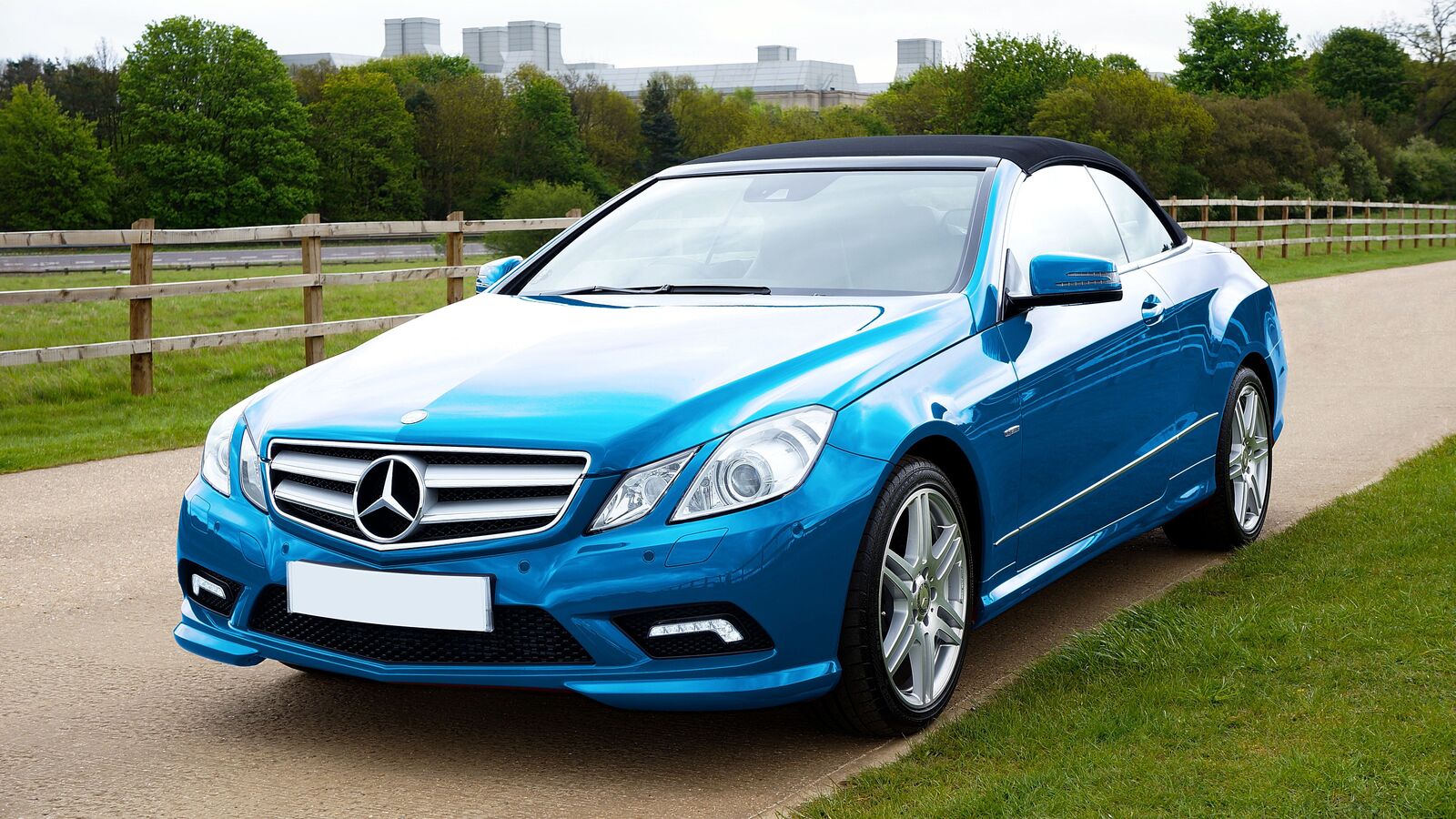
After BMW, Mercedes-Benz now backs E20 fuel, says its cars are ‘materially compatible’ with ethanol blending
After BMW, Mercedes-Benz Now Backs E20 Fuel Amid Industry Shift Theindiapostdaily.com – India's automotive sector is witnessing a significant transformation as Mercedes-Benz joins BMW in endorsing the transition to E20…
After BMW, Mercedes-Benz Now Backs E20 Fuel Amid Industry Shift
Theindiapostdaily.com – India’s automotive sector is witnessing a significant transformation as Mercedes-Benz joins BMW in endorsing the transition to E20 fuel, which contains 20% ethanol. The move marks a pivotal moment for the industry, as both brands emphasize their vehicles’ compatibility with the higher ethanol blend, addressing concerns about performance and cost. With the government pushing for E20 as the new standard, automakers are aligning with the policy, signaling a shift toward sustainable energy solutions.
Mercedes-Benz Validates E20 Fuel Compatibility for BS VI Vehicles
Mercedes-Benz has officially confirmed that its petrol vehicles adhering to BS VI emission standards are “materially compatible” with E20 fuel. The company stated that its engines have been tested to ensure they meet safety and performance benchmarks when using the blend. This endorsement comes as part of a broader strategy to support India’s push for renewable fuels and reduce dependence on fossil imports. “Our commitment to sustainable mobility includes backing E20 fuel,” said a spokesperson, adding that the transition reflects the brand’s adaptation to evolving energy trends.
“Mercedes-Benz petrol BS VI vehicles are materially compatible with E20 fuel and have been certified by relevant authorities to ensure seamless performance,”
the statement read, highlighting the company’s confidence in the fuel’s viability. The certification process involved rigorous testing to address potential issues such as corrosion and efficiency drops, providing reassurance to consumers.
BMW’s Stance on E20 Fuel and Ethanol Blending
BMW Group India’s CEO, Hardeep Singh Brar, reiterated the brand’s long-standing support for ethanol blending, stating that its petrol vehicles are already optimized for E25 fuel. This readiness positions BMW to adapt to the E20 rollout without compromising performance. “After BMW, Mercedes-Benz now backs E20 fuel, which aligns with our commitment to reducing carbon footprints and supporting India’s energy goals,” Brar emphasized. The company’s alignment with E20 underscores a growing industry consensus on ethanol’s role in the future of fuel.
Brar also highlighted the environmental benefits of ethanol, noting its potential to lower lifecycle emissions. However, he acknowledged the need for careful implementation, as higher ethanol blends can affect fuel efficiency and engine longevity. “The transition must be managed to ensure both sustainability and consumer satisfaction,” he added, pointing to the importance of maintaining affordability and reliability.
Consumer Backlash and Market Challenges
Despite industry support, the E20 fuel rollout has sparked public backlash. Many drivers report a decline in fuel efficiency, with independent studies showing a 10-15% drop in mileage compared to traditional fuels. This has raised concerns about the economic impact on consumers, particularly in a country where fuel costs are a major household expense. “After BMW, Mercedes-Benz now backs E20 fuel, but the real question is whether it benefits the average user,” said a consumer advocate, critiquing the policy’s immediate effects.
Older vehicles, which were not designed for higher ethanol blends, face the risk of engine damage. The government’s decision to phase out lower ethanol fuels has left some drivers uncertain about their car’s long-term compatibility. This has led to fears of denied insurance claims for mechanical failures, adding to the controversy surrounding the policy. The debate now centers on whether the environmental gains justify the challenges for consumers.
Government Defenses and Industry Collaboration
The government has defended the E20 policy, citing its benefits for energy security and rural economies. Officials argue that the fuel blend reduces India’s reliance on imported crude oil, saving an estimated ₹1.97 lakh crore annually in foreign exchange. They also claim it supports sugarcane farmers, who receive ₹3.65 per kilo for their crop, by creating a stable demand for ethanol. “After BMW, Mercedes-Benz now backs E20 fuel, which is a step toward a cleaner and more self-reliant energy future,” the government stated in its FAQ document.
Industry leaders are now working closely with policymakers to address concerns. Both BMW and Mercedes-Benz have pledged to collaborate on ensuring their vehicles meet E20 standards, while also advocating for gradual implementation to minimize disruption. “The policy is well-intentioned, but more transparency and consumer education are needed,” a senior automotive analyst noted, calling for a balanced approach that combines sustainability with affordability.
Broader Implications for India’s Automotive Future
As “After BMW, Mercedes-Benz now backs E20 fuel,” the move reflects a growing trend in the industry toward renewable energy. This endorsement could influence other manufacturers to follow suit, accelerating the adoption of ethanol blends across the market. However, the success of E20 will depend on factors such as consumer acceptance, infrastructure readiness, and the availability of ethanol at competitive prices. The policy also sets a precedent for future regulations, with potential shifts to E30 or higher blends on the horizon.
While the transition to E20 may pose short-term challenges, its long-term implications for reducing emissions and enhancing energy security are significant. Industry experts suggest that continued investment in ethanol production and distribution will be key to ensuring the policy’s effectiveness. “After BMW, Mercedes-Benz now backs E20 fuel, which is a critical step in India’s journey toward sustainable mobility,” said a green energy consultant, highlighting the role of automakers in shaping the nation’s energy landscape.