‘World of AI is very different’: Ashwini Vaishnaw sees need for new AI law in India
World of AI is Very Different: India Considers New AI Law Amid Rapid Technological Shift Theindiapostdaily.com – Union Minister Ashwini Vaishnaw has underscored the transformative nature of the world of…
World of AI is Very Different: India Considers New AI Law Amid Rapid Technological Shift
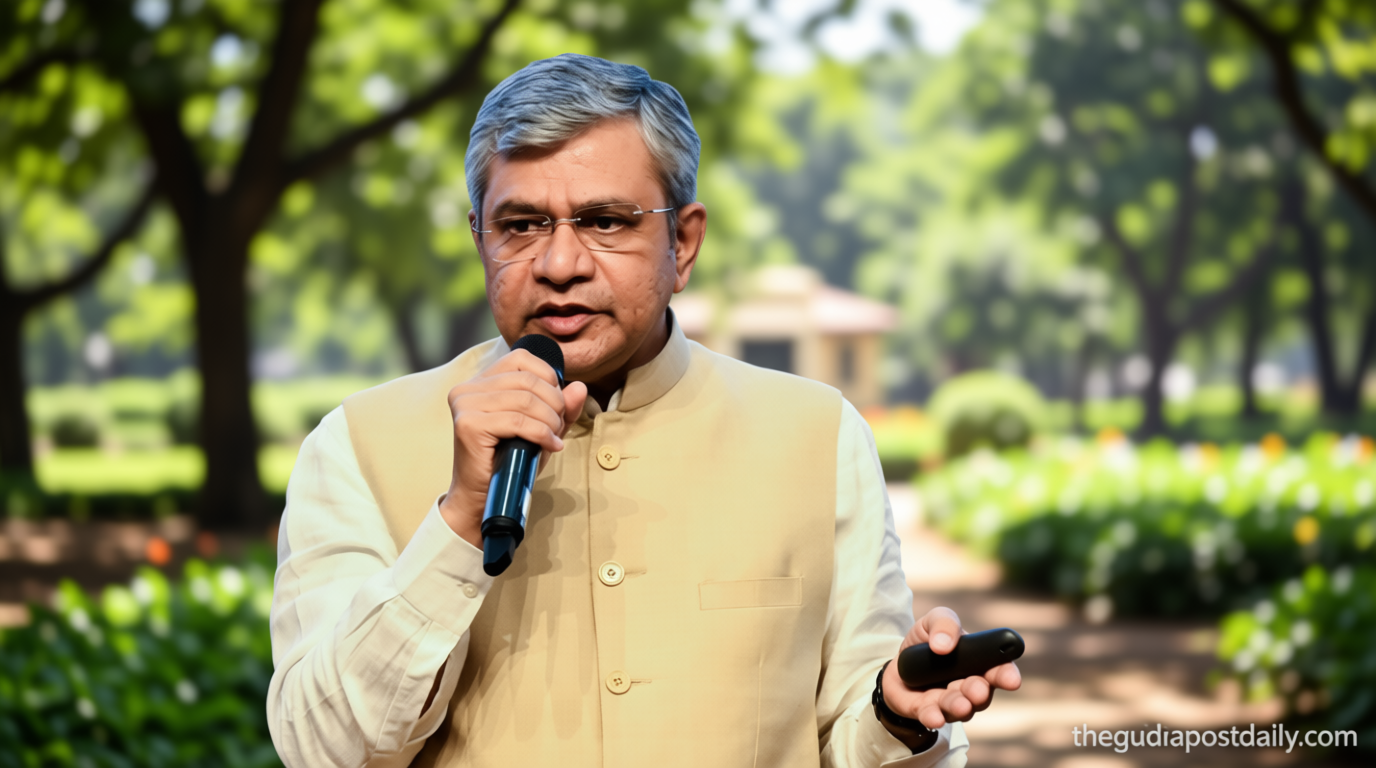
Theindiapostdaily.com – Union Minister Ashwini Vaishnaw has underscored the transformative nature of the world of AI is very different, arguing that the existing legal framework in India is ill-equipped to handle the complexities of modern artificial intelligence. In a recent address, he pointed out that the current Information Technology Act, enacted in 2000, was designed for a technological era that no longer aligns with today’s AI-driven landscape. As AI continues to permeate industries and daily life, Vaishnaw emphasized the urgent need for a dedicated legal structure to address its unique challenges and opportunities. This call for reform reflects growing concerns about AI’s impact on data privacy, algorithmic transparency, and ethical standards in the digital age.
The Limitations of the Existing IT Act
The Information Technology Act, while foundational, has struggled to keep pace with the rapid advancements in AI technology. Vaishnaw highlighted how its provisions, originally crafted for data storage and transmission, are now stretched to cover AI applications that generate content, manipulate data, and even make autonomous decisions. He noted that the act’s broad language, though flexible, has led to ambiguity in addressing issues like deepfakes, algorithmic bias, and AI-generated misinformation. “The world of AI is very different from the one we imagined a few years ago,” Vaishnaw remarked, stressing that the technology’s evolution demands a more precise and tailored legal response.
“The rise of generative AI has introduced new dimensions to digital governance, including real-time content creation and manipulation that were not anticipated in the original IT Act framework,” Vaishnaw explained. “This world of AI is very different, and we must adapt our laws to ensure accountability and protect public trust.”
The Roadmap for a New AI Legal Framework
Vaishnaw outlined the government’s strategy to create a comprehensive AI law that balances innovation with regulation. The proposed framework aims to establish clear guidelines for AI deployment, ensuring transparency in algorithmic processes while safeguarding against misuse. Key components of the law would include provisions for data governance, liability for AI-generated errors, and mechanisms for addressing digital content challenges. The minister confirmed that consultations with industry leaders, legal experts, and civil society organizations are ongoing, with the goal of finalizing the legislation by the end of the year.
The new law is expected to address gaps in the current IT Act by introducing specific definitions for AI-generated content and setting standards for its verification and labeling. For instance, platforms like X and Instagram would be required to swiftly remove synthetic material flagged by authorities within three hours, as per revised rules introduced in February 2023. These amendments to the Information Technology (Intermediary Guidelines and Digital Media Ethics Code) Rules, 2021, mark a significant step toward regulating AI’s impact on digital communication and media integrity.
Global Context and India’s Strategic Position
India’s push for an AI-specific legal framework aligns with global efforts to manage the technology’s rapid expansion. Countries like the United States, the European Union, and China have already introduced or proposed AI regulations, each tailored to their unique socio-economic and political contexts. Vaishnaw acknowledged that while global trends provide a reference, India’s approach must reflect its own priorities, such as fostering digital entrepreneurship while protecting citizens from AI-related risks. He also emphasized the importance of public-private collaboration, citing the role of tech companies in shaping the law’s implementation through compliance measures and innovation.
Despite the challenges, the government remains committed to creating a legal environment that supports AI’s growth. Vaishnaw pointed out that the world of AI is very different in its speed and scale, requiring proactive governance. By introducing stricter disclosure requirements and defining synthetic content in detail, India seeks to position itself as a leader in ethical AI development. This initiative could set a precedent for other emerging economies looking to navigate the complexities of AI integration without stifling innovation.