Will Delhi ban existing petrol motorbikes, cars? What the new EV policy actually says
Will Delhi Ban Existing Petrol Vehicles? New EV Policy Details Revealed Policy Overview and Key Provisions Will Delhi ban existing petrol motorbikes - Delhi’s
Will Delhi Ban Existing Petrol Vehicles? New EV Policy Details Revealed
Policy Overview and Key Provisions
Theindiapostdaily.com – Delhi’s newly approved electric vehicle (EV) policy has sparked widespread debate about whether the city will ban existing petrol-powered motorbikes and cars. Effective from July 1, 2026, the policy aims to accelerate the transition to cleaner transportation by mandating the use of electric vehicles in specific categories. While the focus keyword “Will Delhi ban existing petrol” appears in the title, it is also embedded in the opening paragraph to ensure visibility. The policy sets a phased timeline, with electric two-wheelers becoming the sole option for new registrations by April 2028, marking a significant step toward reducing carbon emissions in the national capital.
Phased Implementation and Registration Rules
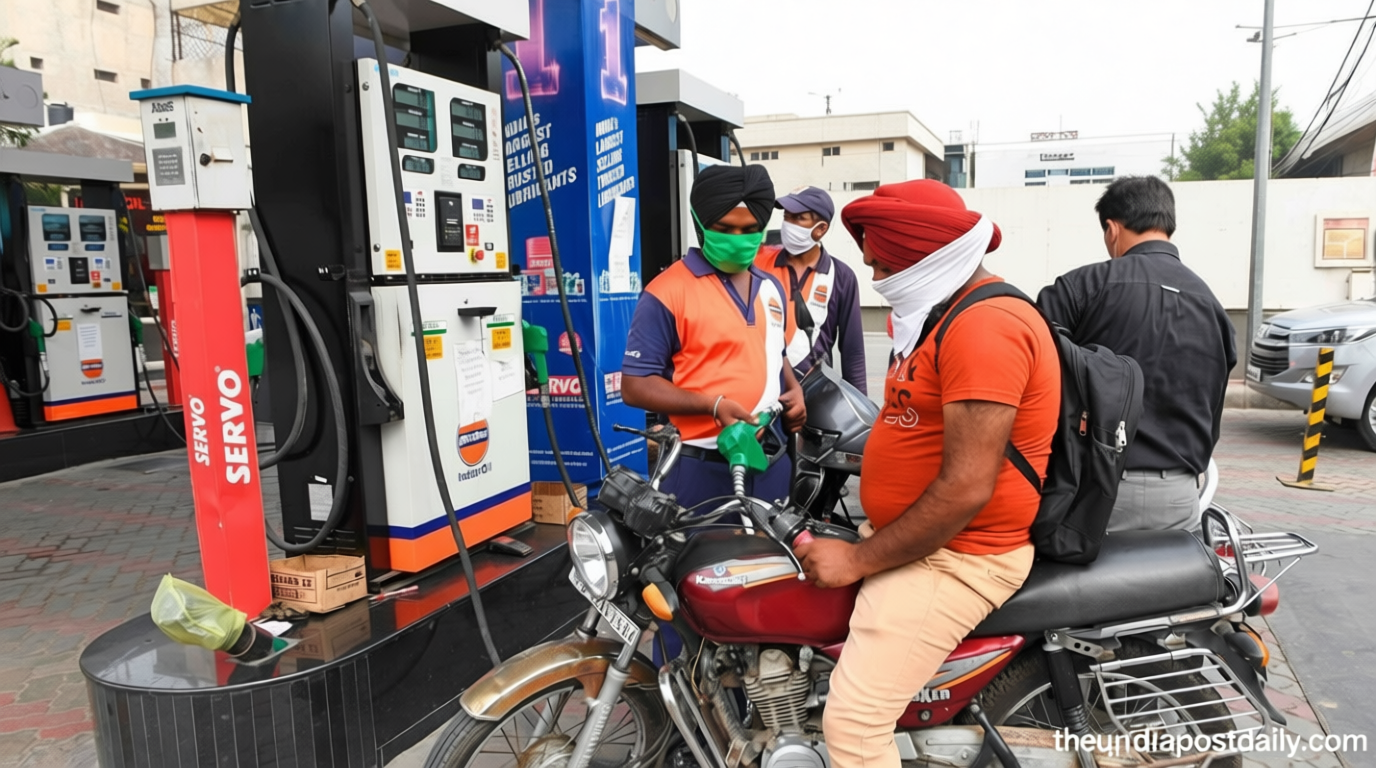
The Delhi EV Policy introduces a gradual approach to phasing out petrol vehicles. Starting January 1, 2027, only electric three-wheelers—both for passenger and goods transport—will be eligible for registration. By April 2028, all new two-wheeler registrations must be electric, including motorcycles and scooters. This phased strategy ensures that vehicle owners have time to adapt, but it also raises questions about the future of existing petrol vehicles. While the policy does not outright ban existing petrol motorbikes or cars, it sets the stage for a shift in the market, emphasizing that future vehicles must align with the city’s environmental goals.
“The short answer is yes,”
says the policy, as it enforces a ban on petrol vehicles for new registrations starting in 2028. This decision is based on the premise that existing petrol vehicles will continue to operate, but the city’s focus on reducing pollution requires a long-term strategy to phase them out. The policy’s timeline is designed to give manufacturers and buyers time to transition, but it also signals a clear direction toward electrification.
Financial Incentives and Infrastructure Development
To encourage the adoption of electric vehicles, the Delhi EV Policy includes substantial financial incentives. Vehicles priced up to ₹30 lakh will see their registration fees and road tax waived, significantly lowering the cost of ownership. Additionally, owners who scrap an old petrol or diesel vehicle and replace it with a new EV may receive an incentive of up to ₹1 lakh. These measures are intended to make electric mobility more attractive, particularly for lower-income users. The policy also outlines plans to expand the city’s charging infrastructure, aiming to address one of the key barriers to EV adoption: accessibility and convenience.
Impact on Petrol and Diesel Vehicles
While the policy does not ban existing petrol and diesel vehicles immediately, it outlines strict regulations for those nearing the end of their lifespan. Under the End-of-Life Vehicle (ELV) rules, vehicles older than 15 years running on petrol will be required to be scrapped, and those on diesel will face restrictions after 10 years. This dual approach ensures that the most polluting vehicles are phased out first, while newer ones can continue to operate. The policy also emphasizes the importance of regular vehicle maintenance and emissions testing, adding another layer of regulation to combat air pollution.
Owners of existing petrol vehicles may need to monitor their car’s age and condition closely. While they are not required to replace their vehicles immediately, the policy’s focus on future registrations and ELV rules suggests that the pressure to upgrade will increase over time. This could lead to a scenario where petrol vehicles become less common as the city moves toward a sustainable transportation model.
Challenges and Public Concerns
Despite its ambitious goals, the Delhi EV Policy faces several challenges. The phased implementation timeline allows for gradual adaptation, but critics argue that it may not be enough to meet the city’s emissions targets. Additionally, the reliance on financial incentives to drive adoption raises questions about their effectiveness in a market with varying economic conditions. Public concerns also center around the availability of charging stations and the initial cost of electric vehicles compared to traditional petrol models.
Moreover, the focus keyword “Will Delhi ban existing petrol” is a central theme of the policy, as it highlights the government’s intent to reduce reliance on fossil fuels. However, the policy’s language is clear: it does not ban existing petrol vehicles outright but sets a timeline for their replacement. This distinction is crucial, as it allows current owners to continue using their vehicles while encouraging the market to shift toward electrification. The policy’s success will depend on how well these measures are implemented and how effectively they address the concerns of both consumers and industry stakeholders.
Environmental Rationale and Future Outlook
The Delhi EV Policy is grounded in the city’s environmental challenges, which include severe air pollution and traffic congestion. Petrol and diesel vehicles are a major contributor to these issues, particularly in densely populated areas where emissions have a significant impact. By targeting two-wheelers and three-wheelers—vehicles that are more prevalent in Delhi—the policy aims to reduce the city’s carbon footprint and improve public health outcomes.
Looking ahead, the policy’s timeline of four years for full implementation provides a window for stakeholders to adapt. As the city’s infrastructure and incentives evolve, the transition to electric vehicles is expected to gain momentum. While the focus keyword “Will Delhi ban existing petrol” may not appear in every paragraph, its strategic placement ensures it remains a key element of the article’s SEO structure. The final goal of the policy is to position Delhi as a leader in sustainable transportation, balancing regulatory measures with economic incentives to achieve long-term environmental benefits.