Why is Brazil at the centre of India’s ethanol-blended fuel rollout? Here’s what we know
Brazil's ethanol-blended fuel model has become a focal point for
Why Brazil is at the Center of India’s Ethanol Fuel Rollout
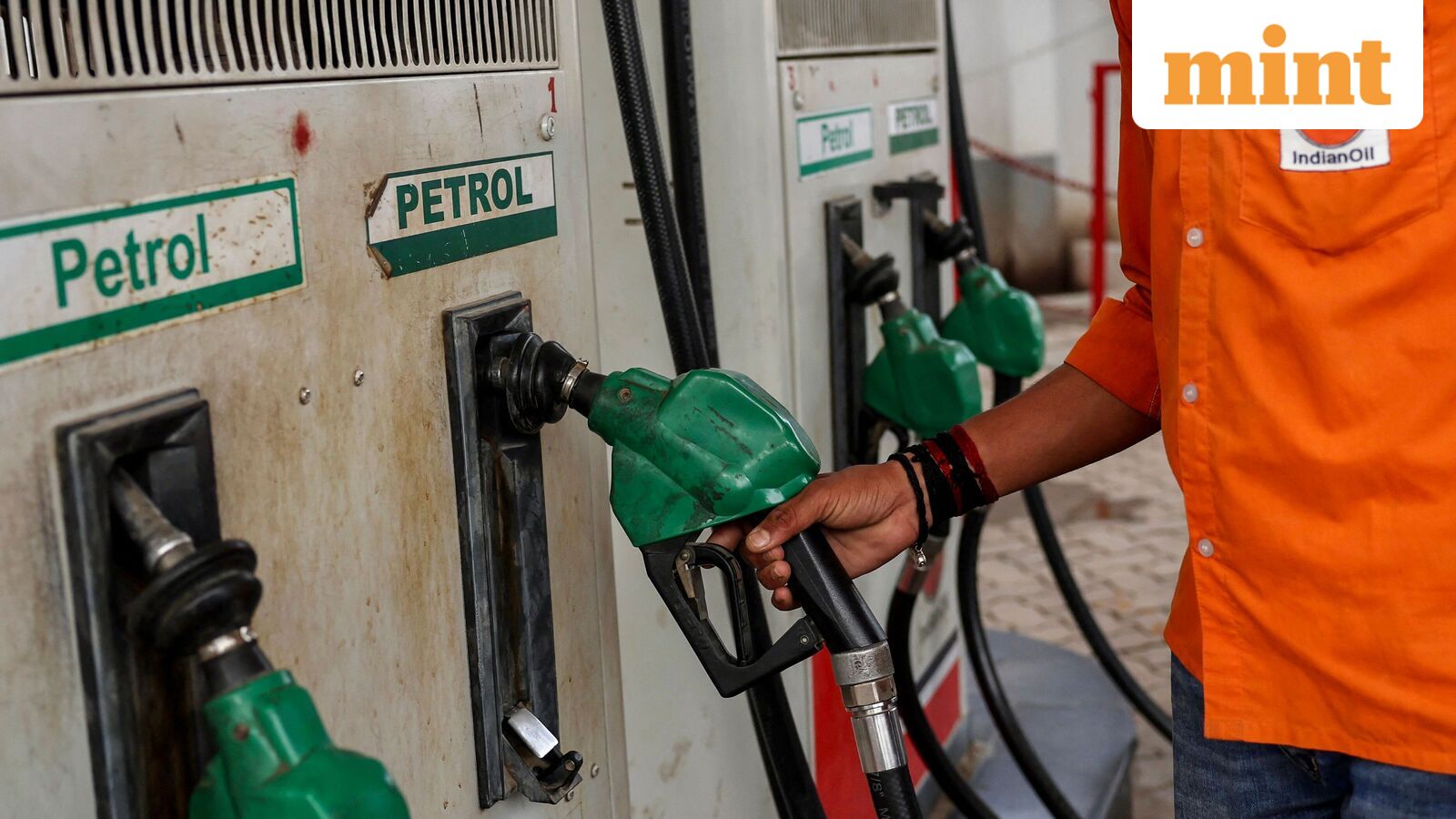
Theindiapostdaily.com – Brazil’s ethanol-blended fuel model has become a focal point for India’s transition to E20 petrol. The South American nation’s longstanding use of ethanol as an alternative fuel has sparked global interest, with Indian policymakers closely examining its success. Recent discussions around India’s ethanol adoption highlight Brazil’s role as a critical reference, particularly in the context of E27 petrol, which the country has successfully implemented for decades. The Petroleum and Natural Gas Minister, Hardeep Singh Puri, has emphasized Brazil’s experience, noting that its ethanol mix has not caused significant engine issues. Meanwhile, the Road Transport and Highways Minister, Nitin Gadkari, has also drawn parallels with Brazil’s E100 ethanol, which it introduced decades ago.
Brazil’s Ethanol Leadership
Brazil’s commitment to ethanol began in 1973 during a global oil crisis that exposed the country’s vulnerability to energy imports. This led to the creation of the National Alcohol Programme in 1975, which leveraged the nation’s abundant sugarcane production. By 1979, Brazil had already developed the Fiat 147, the first mass-produced vehicle capable of running on pure ethanol. This milestone marked a turning point, as the country’s automotive industry adapted to ethanol-blended fuel. Today, Brazil’s ethanol infrastructure is among the most advanced, with a blend of 27% ethanol (E27) commonly used and E100 (100% ethanol) in specialized applications.
The government’s strategic use of sugarcane, which has been cultivated in Brazil since 1532, has enabled a sustainable ethanol supply chain. The first ethanol plant was established in Alagoas in 1927, and by 1929, around 500 cars in the northeastern region were already operating on ethanol. This early success laid the groundwork for Brazil’s ethanol dominance, making it a natural leader in the field. The country’s ethanol model has since influenced policies worldwide, with India now seeking to replicate its achievements.
India’s Ethanol Challenges
India’s approach to ethanol blends differs from Brazil’s in several ways. While Brazil offers a range of ethanol options, including E27 and E100, Indian consumers typically face a single blend, E20, at fuel stations. Ethanol is generally priced lower than blended petrol, often 25-35% cheaper, which has made it an attractive choice for drivers. However, this pricing advantage does not resolve India’s unique challenges, such as its diverse agricultural landscape and energy demands. Critics argue that these factors make Brazil’s model difficult to replicate, as the country’s ethanol production and distribution systems are still evolving.
Since the nationwide implementation of E20 petrol, concerns have emerged about vehicle mileage and engine corrosion. Political leaders like Karnataka Congress leader BK Hariprasad and AAP convenor Arvind Kejriwal have questioned the government’s decision, citing a lack of consensus. Puri has defended the move, stating that ethanol-blended fuel has been widely used without technical issues. “Automobile manufacturers and service providers confirm no difficulties,” he said, as reported by Moneycontrol. This assertion underscores the government’s confidence in Brazil’s ethanol model as a viable solution for India’s energy transition.
The Case for Ethanol in India
India’s ethanol initiative has been in progress for over a year, with the integration of E15 (a 15% ethanol blend) already underway. Puri has pointed to this as evidence that ethanol’s use is not new to the country. He has also highlighted Brazil’s long-term success with E27 petrol as a key benchmark. Gadkari, meanwhile, has challenged critics to provide data on any vehicle damage caused by E20. This back-and-forth debate reflects the broader conversation around ethanol’s role in India’s energy strategy, with Brazil serving as a central reference point.
“Is there a single car in the country that has faced issues due to E20 petrol?” Gadkari asked, emphasizing the government’s belief in the fuel’s reliability.
The Centre has stated that decisions to increase ethanol blends beyond E20 will depend on scientific testing and consultations with automakers. While Brazil’s model provides a valuable framework, India’s approach must account for its distinct circumstances. The government continues to refine its strategy, aiming to balance environmental goals with consumer concerns and logistical realities. As the ethanol rollout progresses, the focus on Brazil’s experience will remain a key element in shaping India’s energy future.