Why can’t you choose between pure petrol, E10 and E20? Here’s what Petroleum Ministry says
Why Can't You Choose Between Pure Petrol, E10, and E20? Here's the Petroleum Ministry's Explanation Theindiapostdaily.com – Consumers in India may have wondered why can't you choose between pure petrol,…
Why Can’t You Choose Between Pure Petrol, E10, and E20? Here’s the Petroleum Ministry’s Explanation
Theindiapostdaily.com – Consumers in India may have wondered why can’t you choose between pure petrol, E10, and E20. The Petroleum Ministry recently addressed this query, clarifying that fuel stations will not offer the ability to select among these blends. This decision is attributed to the challenges of maintaining distinct supply chains nationwide, which the ministry argues would incur higher costs, reduce efficiency, and create redundant systems. The ministry’s stance emphasizes a streamlined approach to fuel distribution, ensuring consistency across the country.
The Evolution of Fuel Blends and E20’s Role
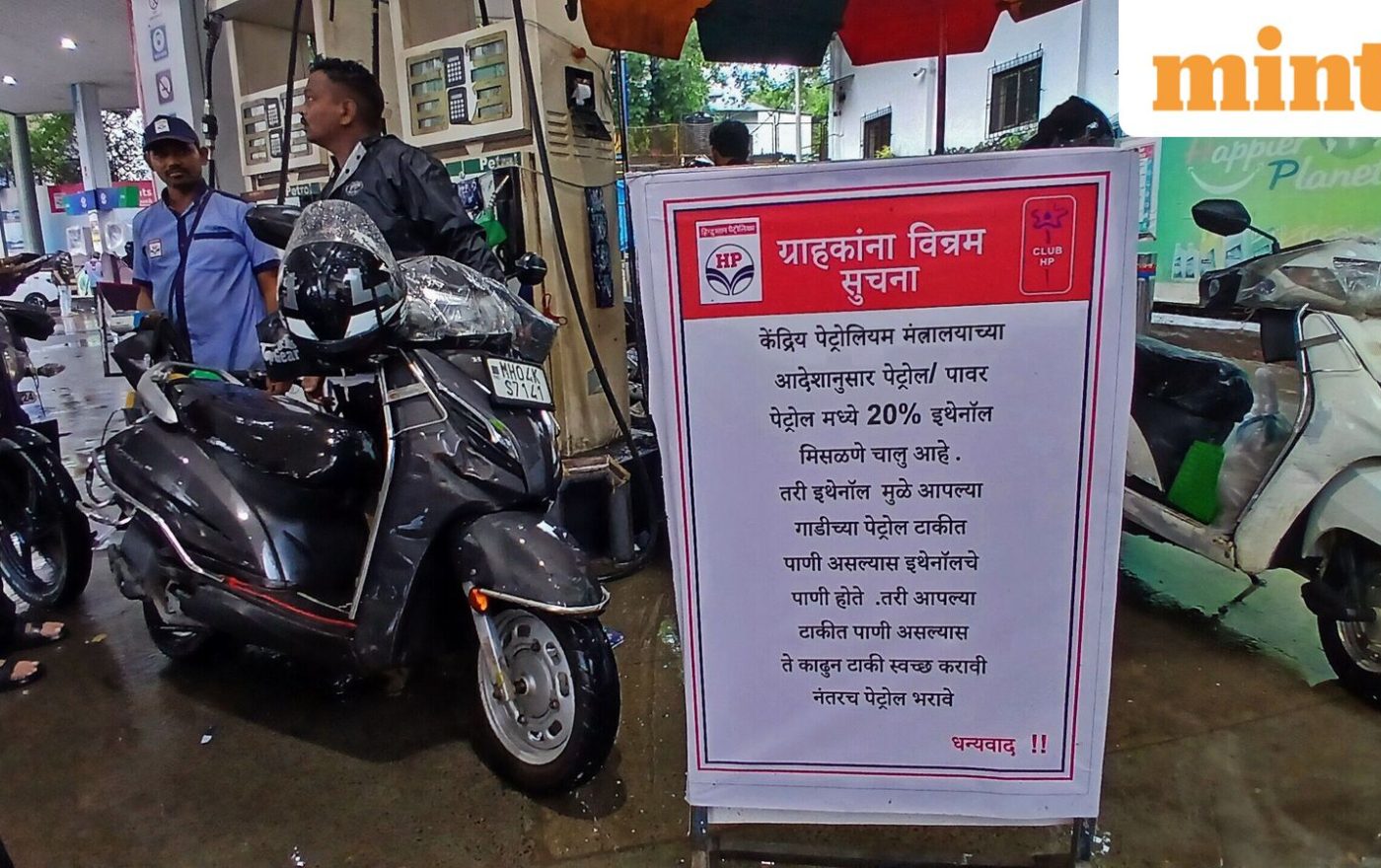
The Petroleum Ministry highlighted that E20 is an advanced fuel option, blending 20% ethanol with conventional petrol. This formulation offers higher octane levels, improved anti-knock properties, and faster combustion compared to traditional fuels. Additionally, it contributes to smoother engine performance and reduced particulate emissions, aligning with India’s environmental goals.
While E20 has been promoted as a step forward, the ministry noted that its benefits are not universally applicable. Some vehicles may experience a slight drop in fuel efficiency, but this is offset by other advantages such as lower carbon output. The ministry also stressed that why can’t you choose between these options is due to the need for standardized fuel types that cater to the majority of consumers without compromising quality or availability.
Industry Collaboration and Policy Planning
The shift to E20 was not made in isolation. The ministry explained that automakers were engaged early in the process, ensuring compatibility with existing vehicle models. This collaboration began as early as 2020-21, laying the groundwork for the E10 rollout. By June 2022, India had successfully met its 10% ethanol blending target, surpassing the initial schedule. For E20, the government provided a detailed roadmap in 2021, covering technical aspects like material compatibility, engine tuning, and emissions data before nationwide implementation.
The ministry further reiterated that automakers would not endorse E20 without confidence in its performance. Most have maintained warranties for vehicles using this fuel, reinforcing its reliability. This industry-backed approach ensures that why can’t you choose between E10 and E20 is not a limitation but a strategic choice to optimize fuel standards across the country.
Logistical and Economic Challenges
India’s existing fuel infrastructure, which includes over one lakh retail outlets, was designed for large-scale distribution. The ministry argued that maintaining three separate fuel streams—pure petrol, E10, and E20—would complicate logistics, increase inventory management costs, and lower operational efficiency. These factors make it impractical to offer multiple blends at every station, especially in regions with limited resources.
Additionally, the ministry clarified that E10 and E20 are variations of the same base fuel, differing only in their ethanol content. This distinction is important when comparing them to premium petrol, which contains specialized additives. By consolidating fuel types, the ministry aims to simplify the process while ensuring that why can’t you choose between E10 and E20 is a matter of economic and logistical feasibility rather than a technical failure.
Real-World Data and Consumer Adaptation
Industry reports have shown that the transition to E20 has been largely successful. For instance, Maruti Suzuki reported that 2.84 crore vehicles remained operational in FY 2025-26, including 1.5 crore older models not certified for E20. These vehicles experienced no significant issues like corrosion or engine degradation, demonstrating the fuel’s reliability. Hero MotoCorp similarly noted that its two-wheeler fleet adapted well to E20 without performance setbacks.
While acknowledging that some vehicles may see a 3-5% decrease in fuel efficiency, the ministry emphasized that this is just one metric among many. Real-world data from extensive usage is more indicative of overall performance than isolated cases. This evidence supports the claim that why can’t you choose between E10 and E20 is not a consumer disadvantage but a step toward a more sustainable and efficient fuel system.
Investments and Long-Term Impact
India’s ethanol blending initiative has seen significant investments in production and infrastructure. Public sector banks have allocated nearly ₹1 lakh crore annually to support these efforts, reflecting the government’s commitment to reducing fossil fuel dependence. The ministry warned that reverting to lower ethanol blends would undermine progress made by farmers, cooperatives, and other stakeholders under the long-term policy framework.
By integrating E20 into the fuel mix, the government aims to create a more environmentally friendly transportation sector. The ministry also highlighted that this transition benefits consumers through cost savings and reduced emissions. As the fuel becomes more widely adopted, the why can’t you choose between E10 and E20 will be further validated by ongoing data and consumer feedback, ensuring that the decision aligns with both economic and environmental priorities.