When will Monsoon reach Delhi in 2026? Will the national capital see waterlogging? Here’s what we know
When Will Monsoon Reach Delhi in 2026? Waterlogging Concerns and Expert Predictions When will Monsoon reach Delhi in 2026 - Delhi’s anticipation for the
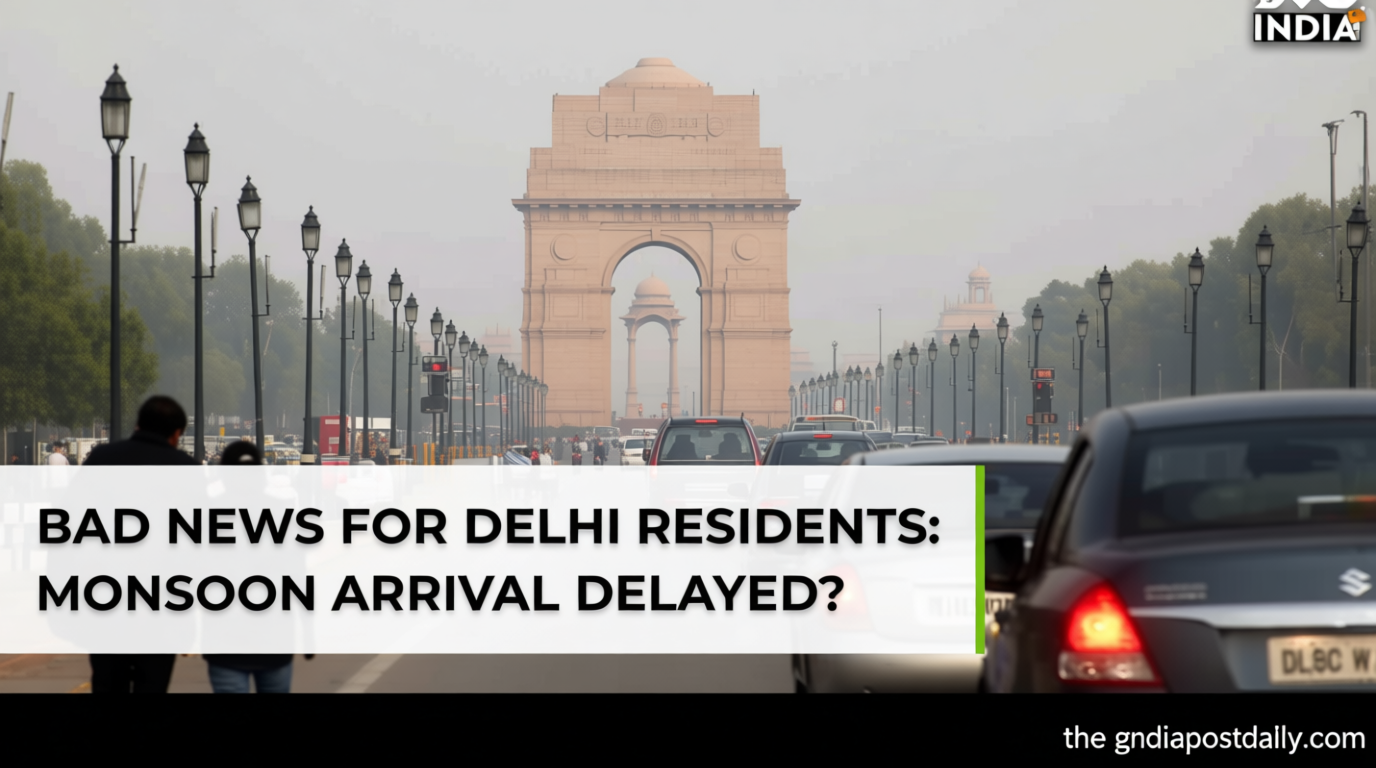
When Will Monsoon Reach Delhi in 2026? Waterlogging Concerns and Expert Predictions
Theindiapostdaily.com – Delhi’s anticipation for the southwest monsoon has been heightened as meteorologists suggest the rain season may begin later than expected in 2026. While the usual arrival is around June 27, the current forecast indicates the monsoon could reach the national capital as late as early July. This potential delay has raised concerns about the city’s ability to manage waterlogging, especially in areas with inadequate drainage systems. The question of *when will monsoon reach Delhi* remains a focal point for residents and officials alike, as they prepare for the challenges of an uncertain rainy season.
Monsoon Movement and Regional Patterns
The southwest monsoon’s slow progress is evident in its delayed arrival in key regions like Mumbai, which typically sees the rains by June 8. This sluggish movement is attributed to the absence of a strong weather system in the Bay of Bengal, which usually creates the necessary push to draw the monsoon from the Arabian Sea. Skymet Weather’s vice president, Mahesh Palawat, explained that the lack of this dynamic system has hindered the monsoon’s advancement, leaving Delhi and other northern states at risk of a delayed start.
“The monsoon’s journey relies on a developing weather system over the Bay of Bengal to create the push-pull effect that triggers its movement. Without this, the monsoon remains stalled, which directly affects *when will monsoon reach Delhi*,” Palawat added.
While southern India and parts of Maharashtra have seen the monsoon’s arrival, central India remains under coverage. Experts predict that by June 23, the rains will extend to Maharashtra and neighboring states such as Rajasthan and Gujarat. This gradual spread may influence the timing of the monsoon’s entry into Delhi, with some forecasts suggesting the capital could experience rains as late as mid-July. The delayed onset poses a challenge for urban planning and flood mitigation efforts.
Delhi’s Rainfall Outlook and Preparedness Measures
Delhi’s rainfall in June has already fallen short of normal levels, with the city recording 22.7 mm from June 1 to June 20—well below the 74.1 mm average. This deficit has prompted city officials to take proactive steps to prevent waterlogging. Chief Minister Rekha Gupta convened a meeting with the Irrigation and Flood Control Department to review contingency plans, emphasizing the need for swift action to address the city’s vulnerabilities.
“If waterlogging occurs in any area, the concerned officer will be held accountable. All departments must ensure their teams are on high alert to manage emergencies during the monsoon season,” Gupta stated, as reported by PTI.
The government has directed officials to assign dedicated personnel to monitor waterlogging hotspots, inspect rescue equipment, and draft evacuation protocols. These measures aim to mitigate risks, particularly in low-lying areas prone to flooding. However, the delayed monsoon raises questions about whether Delhi’s infrastructure can cope with the extended dry spell and the potential for intensified rainfall later in the season.
Experts caution that while the monsoon may start later in Delhi, its intensity could increase once it arrives. This scenario could lead to a mix of challenges, including prolonged dry periods and sudden, heavy downpours. The IMD has noted that July’s rainfall is expected to be stronger than usual, which might offset the initial delay. Nevertheless, the timing of the monsoon’s arrival remains critical for effective preparation and resource allocation.
Historical Context and Climate Trends
Delhi’s monsoon patterns have historically varied, but the current delay aligns with trends observed in recent years. Climatologists point to climate change and shifting weather patterns as factors contributing to the unpredictability of the monsoon’s onset. For instance, in 2021, the rains arrived on June 22, while 2022 saw a delay until June 28. These fluctuations underscore the importance of continuous monitoring and adaptive strategies to address waterlogging risks.
Analysts suggest that the delayed arrival of the monsoon in 2026 could have broader implications for the region. The push-pull mechanism between the Bay of Bengal and Arabian Sea is delicate, and any disruption, whether due to global warming or local weather anomalies, can delay the rains. This year’s pattern, characterized by a weaker monsoon trough and slower advancement, reflects a confluence of these factors. Delhi’s residents are now closely watching the weather forecasts, hoping for a timely and sufficient monsoon to ease the city’s waterlogging concerns.
As the monsoon season approaches, the city’s preparedness will be tested. With *when will monsoon reach Delhi* still uncertain, the focus remains on ensuring that infrastructure, emergency services, and public awareness are aligned to handle the seasonal challenges. The combination of delayed rains and varying intensity could make 2026 a pivotal year for Delhi’s climate resilience strategies, as officials strive to balance anticipation with contingency planning.