What’s behind deadly violence in PoK? Banned group, death of a trader, protests — All you need to know
Deadly Violence in PoK: Causes, Protests, and the Role of the Banned Group Theindiapostdaily.com – The question of what s behind deadly violence in PoK has become a focal point…
Deadly Violence in PoK: Causes, Protests, and the Role of the Banned Group
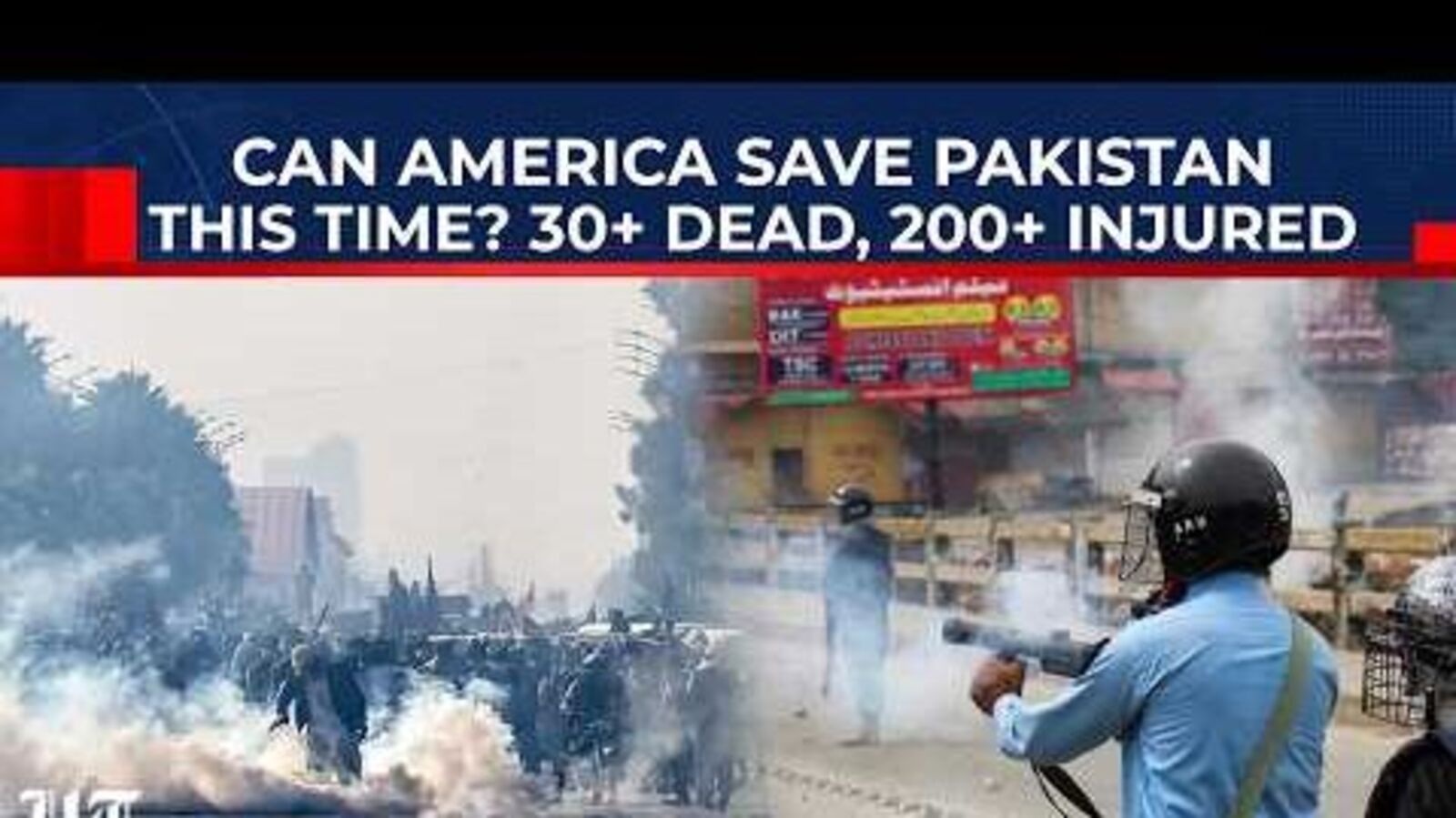
Theindiapostdaily.com – The question of what s behind deadly violence in PoK has become a focal point of international discourse, as recent clashes in Pakistan-occupied Kashmir (PoK) have intensified. The violence, which has claimed at least 11 lives including four security personnel, has raised concerns about the motivations driving the unrest. India has called for global attention, linking the incident to a broader pattern of suppression by Pakistan. The event highlights the deepening tensions between local populations and authorities, with the banned Joint Awami Action Committee (JAAC) playing a central role in the protests.
Background on the Banned Group and Its Demands
The Joint Awami Action Committee (JAAC), a prominent civil society organization in PoK, was recently labeled a proscribed group under Pakistan’s anti-terrorism laws. This decision came as the organization demanded the removal of 12 “refugee seats” in the region’s Legislative Assembly, which were allocated to Kashmiri refugees who migrated to Pakistan after 1947. These seats, JAAC argued, were being used to manipulate governance in Muzaffarabad, the capital of PoK. The suspension of JAAC has sparked widespread outrage, with its supporters claiming the move was politically motivated to quash dissent.
As the July 27 election approached, the JAAC intensified its campaign, organizing a protest on June 9 to spotlight its demands. The ban on the group, however, led to arrests and heightened tensions. Activists have reported over 100 deaths and numerous injuries in the past two days, according to the Press Trust of India (PTI). The organization’s call for a territory-wide strike further disrupted daily life, with mobile and internet services affected in several areas. This escalation underscores the growing frustration with Pakistan’s control over the region and its governance structure.
Triggers of the Violence and the Trader’s Role
The immediate catalyst for the violence was the death of a trader during a clash with security forces on Friday night. Witnesses reported that the man was shot while protesting, reigniting anger among locals and fueling the ongoing demonstrations. This incident, combined with the JAAC’s suspension, has created a volatile environment. Authorities have attributed the unrest to the group’s persistent demands and its ability to mobilize public sentiment against government policies.
Residents of PoK have long voiced grievances about economic conditions, resource allocation, and political representation. The trader’s death, seen as a symbol of state oppression, has galvanized the community. The protests have also drawn attention to broader issues, such as electricity shortages, food scarcity, and internet blackouts. These factors, along with the JAAC’s activities, have contributed to a sense of disenfranchisement that has now erupted into violence. The incident has intensified calls for greater autonomy and accountability in the region.
International Response and the Political Context
India has been quick to condemn Pakistan’s actions, with officials emphasizing the need for an independent inquiry into the violence. The Ministry of External Affairs has criticized the government’s use of misinformation and video content to divert attention from its human rights violations. This narrative aligns with the broader Indian stance on PoK, where the issue of governance and control is often framed as a struggle for self-determination.
The violence in PoK is part of a larger political and economic context. The region, under Pakistani administration, has faced challenges in developing its infrastructure and economy. The trader’s death and the JAAC’s protests have exposed these vulnerabilities, with locals expressing frustration over the lack of opportunities and the concentration of power in the hands of a few. The unrest also reflects a growing sentiment that the government is not addressing the concerns of the Kashmiri population effectively.
As the situation in PoK continues to evolve, the international community is being called upon to support India’s position and scrutinize Pakistan’s actions. The debate over what s behind deadly violence in PoK now includes discussions about the role of civil society, the impact of economic hardship, and the political implications of the unrest. The events have not only affected the local population but have also reignited global interest in the Kashmir dispute, highlighting the complex interplay of regional and international factors.