West Bengal CM Adhikari vows to bring Tata Group back to the state, promises industrial growth; slams TMC, Left
West Bengal CM Adhikari Pledges to Re-Establish Tata Group's Presence, Criticizes Past Industrial Policies West Bengal CM Adhikari vows to bring - West
West Bengal CM Adhikari Pledges to Re-Establish Tata Group’s Presence, Criticizes Past Industrial Policies
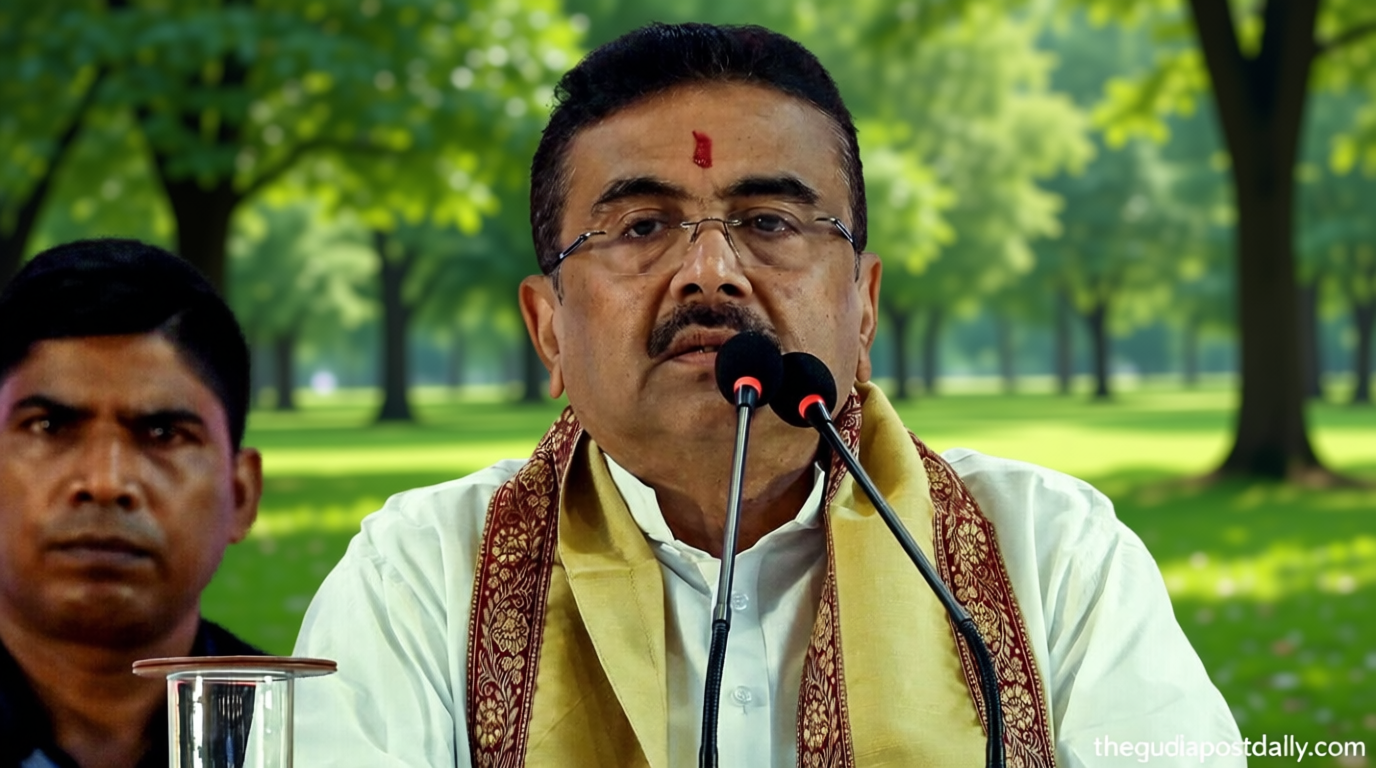
West Bengal CM Adhikari vows to bring – West Bengal’s Chief Minister Suvendu Adhikari made a strong statement on Friday, asserting that his Bharatiya Janata Party (BJP) administration would re-establish the Tata Group’s operations in the state. He directly blamed the Trinamool Congress (TMC) and Left Front governments for their handling of land acquisition issues, accusing them of either seizing farmland without proper consent or staging symbolic industrial events without real progress.
Land Acquisition and Industrial Growth
During a press conference in Kolkata, Adhikari emphasized the need for a fair approach to industrial development, stating that growth should not come at the expense of farmers’ rights. He pointed out that the BJP government was crafting a new policy framework to address these concerns, contrasting it with the previous administrations’ alleged shortcomings.
“We don’t want to indulge in lies and organise photo sessions like the previous government did to attract industries.”
The leader also criticized the TMC for years of empty promises, claiming that former Chief Minister Mamata Banerjee’s regime failed to deliver concrete results in reviving Bengal’s industrial sector. Adhikari vowed to ensure transparency and public support in future development initiatives.
Historical Context of the Singur Controversy
The Singur dispute, involving Tata Motors’ small-car manufacturing project, remains a defining moment in West Bengal’s political history. In 2006, the Left Front government had acquired nearly 1,000 acres of farmland for the project, which was intended to produce the “world’s cheapest car.” However, the opposition, led by Mamata Banerjee’s TMC, mobilized widespread protests, arguing that the land was essential for agriculture.
After prolonged negotiations, Tata Motors withdrew the project from Singur in 2008, relocating it to Sanand, Gujarat. The company sought compensation for its $300 million investment, expressing dissatisfaction with the state’s land acquisition process.
Supreme Court’s Role in the Dispute
A decade after the initial acquisition, the Supreme Court intervened, ruling that the land should be returned to farmers. The court described the Singur land grab as “shocking” and “a farce,” highlighting the flawed procedures used by the Left Front regime. This decision marked a turning point, shifting public sentiment and solidifying the TMC’s political rise.
Adhikari’s government aims to learn from these past errors, promising to attract investments and create employment opportunities without repeating the mistakes that fueled the agitations. His focus on balancing industrial ambition with agricultural protection has become a central theme in his campaign for economic revival.
With inputs from PTI, this reformist agenda positions Adhikari as a key figure in West Bengal’s evolving political narrative, where land rights and industrial growth are now deeply intertwined.