Vande Mataram row explained: BJP protests, Sonia-Rahul police complaint, Congress history and the new law
The hymn at the centre of this week's political storm was penned by Bankim Chandra Chatterjee and first appeared in the literary journal Bangadarshan on 7
Vande Mataram Controversy: What Happened, Who Reacted, and Why It Matters
The Roots of the Song
Theindiapostdaily.com – The hymn at the centre of this week’s political storm was penned by Bankim Chandra Chatterjee and first appeared in the literary journal Bangadarshan on 7 November 1875. Seven years later, in 1882, Chatterjee wove the verses into his novel Anandamath, giving the composition a wider audience.
When the Constituent Assembly debated national symbols, members reached unanimous agreement to recognise both Jana Gana Mana and Vande Mataram without any recorded dissent. On 24 January 1950, Dr Rajendra Prasad addressed the Assembly, arguing that the song’s pivotal role in the freedom struggle entitled it to equal standing alongside the National Anthem. From that point forward, Vande Mataram became embedded in the nation’s civil, political, and cultural life.
The Incident at AICC Headquarters
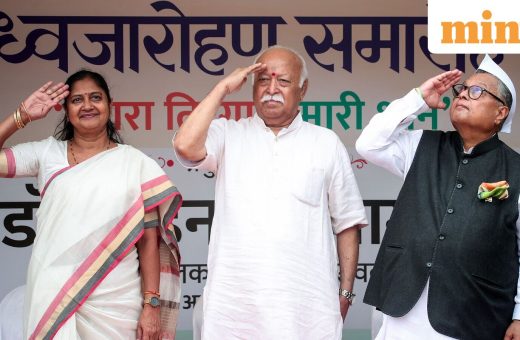
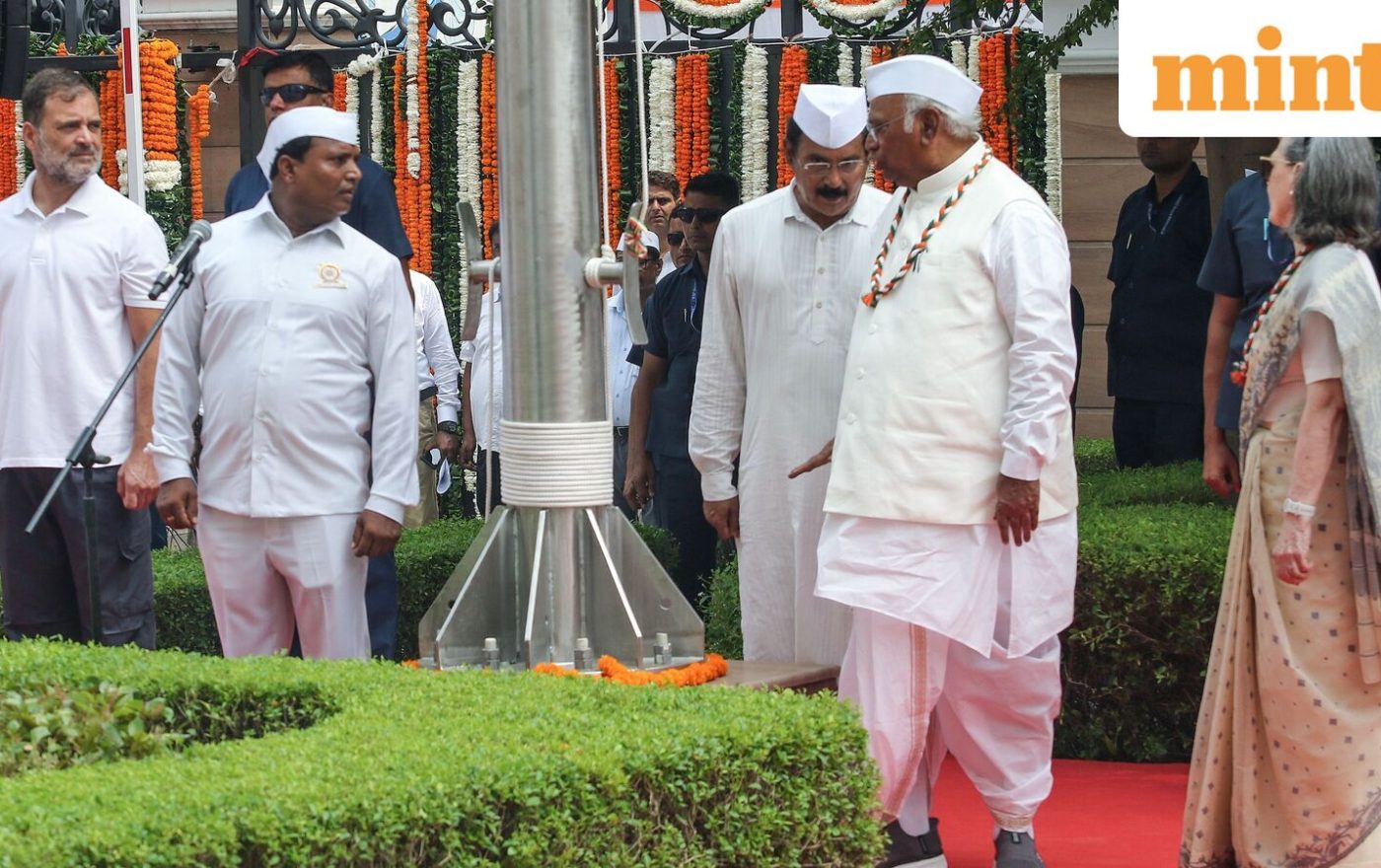
On Saturday, 15 August, Independence Day celebrations were underway at the All India Congress Committee headquarters in New Delhi. Footage from the programme showed senior party figures conversing with one another while the National Song was being recited. Those visuals ignited a firestorm of criticism within hours.
The Bharatiya Janata Party, under the leadership of Union Home Minister Amit Shah, moved swiftly to convert the episode into a sustained political and legal offensive. Congress, for its part, dismissed the accusations outright and charged the ruling party with exploiting patriotic sentiment for electoral advantage.
Amit Shah’s Public Condemnation
Speaking on Sunday, Shah framed the episode as an act of brazen disrespect. He specifically named Sonia Gandhi, claiming she instructed the Congress President to halt the singing mid-performance.
“Look at their (Congress’) shamelessness. The anthem Vande Mataram was being sung at the Congress Party headquarters. During the anthem, Congress leader Sonia Gandhi told the Congress President to stop singing. We all just kept watching on TV.”
Police Complaint and the 2026 Amendment Bill
An FIR was sought from the Delhi Police against Sonia Gandhi and Rahul Gandhi, alleging disruption during the rendition of the National Song at the AICC Independence Day function on 15 August. The complaint explicitly asks the police to first determine the applicability and legal standing of the Prevention of Insults to National Honour (Amendment) Bill, 2026, before launching what it describes as a fair, impartial, and time-bound investigation into the two leaders’ conduct.
Protests and Regional Reactions
In Srinagar, the BJP staged a demonstration outside the local Congress office on Sunday. Jammu and Kashmir spokesperson Altaf Thakur accused Rahul Gandhi, Sonia Gandhi, and Mallikarjun Kharge of undermining the sanctity of the national celebration.
“As the Congress was preparing to hoist the Tricolour on Independence Day, the National Song was played, yet Rahul Gandhi, Sonia Gandhi, and Mallikarjun Kharge showed disrespect towards it.”
In West Bengal, BJP MLA Sumitro Chatterjee — a direct descendant of Bankim Chandra Chattopadhyay — published an open letter calling on Sonia Gandhi to offer an unconditional apology.
Congress Pushes Back
Congress General Secretary KC Venugopal rejected every allegation, insisting the episode was nothing more than a miscommunication about event logistics. He stressed that the party holds Vande Mataram in deep reverence and accused the BJP of turning the freedom struggle and the national song into partisan tools.
“For the BJP, everything is political. For us, it is emotional. What happened at the AICC headquarters was a communication issue. We are people who respect Vande Mataram. The Congress has a clear stand on Vande Mataram, and you will understand it in due course.”
Venugopal added that Sonia Gandhi’s intervention was intended solely to ensure the correct sequence of arrangements for the song was followed properly during the programme — not to interrupt or diminish it.
Related Reading
Frequently Asked Questions
What is Vande Mataram row explained?
Vande Mataram row explained is the main topic of this guide. The article explains the context, practical details, and next steps readers should understand.
Why does Vande Mataram row explained matter?
Vande Mataram row explained matters because readers are looking for a useful answer, not just a short summary. Good content should match search intent and help them decide what to do next.