US terror accused files plea for ‘American-style diet’ in Delhi jail, wants ‘red meat, pasta, olive oil’
US Terror Accused Files Plea for American-Style Diet in Delhi Jail Theindiapostdaily.com – Matthew Aaron VanDyke, a US citizen detained in Delhi’s Tihar Jail, has submitted a formal request to…
US Terror Accused Files Plea for American-Style Diet in Delhi Jail
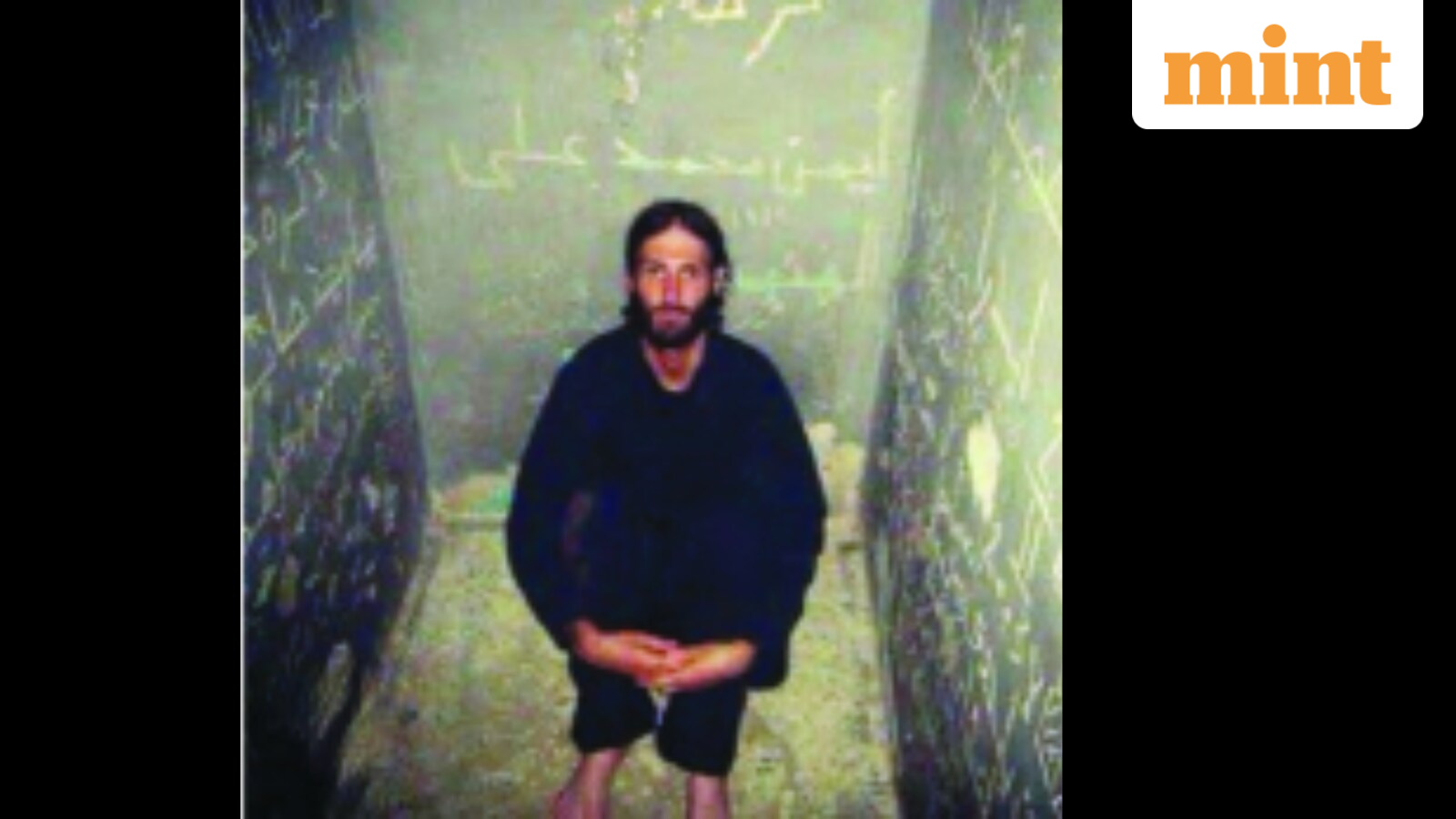
Theindiapostdaily.com – Matthew Aaron VanDyke, a US citizen detained in Delhi’s Tihar Jail, has submitted a formal request to adopt an “American-style diet” as part of his legal strategy. The plea, filed on July 21, seeks permission to prepare his own meals and consume food items such as red meat, pasta, olive oil, lentils, chicken, toned milk, and bottled water. This move has sparked discussions about the importance of dietary preferences in maintaining the health of detainees. The focus keyword US terror accused files plea highlights VanDyke’s efforts to address his nutritional concerns while challenging the standard prison fare, which he claims has led to a 14-kilogram weight loss and significant physical deterioration over nearly 50 days of restricted eating.
Legal Framework and Humanitarian Concerns
The legal team representing VanDyke, led by attorneys Rohit Gour and Rohit Dandriyal, has emphasized that the dietary restrictions are not just a matter of taste but a critical factor in his well-being. The application, submitted to NIA Judge Prashant Sharma, argues that the current prison meals—spicy, oily, and deep-fried—have caused severe discomfort and contributed to his decision to initiate a hunger strike on May 6. The plea stresses the need for immediate modifications to ensure his nutritional needs are met, with the defense claiming that his condition has worsened to the point of difficulty standing and interacting with the court.
“The nutritional regimen has been a major cause of VanDyke’s decline, and we are seeking to rectify this through the proposed diet,” stated the defense, underscoring the humanitarian angle of the case. The team has also requested access to an induction cooker and basic kitchen utensils, enabling VanDyke to cook meals that align with his dietary preferences. This development reflects a growing awareness of how food choices impact the physical and mental health of prisoners, particularly those from different cultural backgrounds.”
Following the submission, the court has directed the jail superintendent to respond within a week, allowing for further deliberation on the feasibility of the request. The plea also seeks to extend VanDyke’s judicial custody until August 1, giving the legal team time to present additional evidence. The judge’s ruling on this matter could set a precedent for future cases involving dietary needs of foreign detainees. The US terror accused files plea thus carries implications beyond VanDyke’s personal situation, potentially influencing how prison authorities handle nutrition-related grievances.
Context of the Terror Accusations
VanDyke’s arrest dates back to March 13, when he was detained alongside six Ukrainian nationals for allegedly participating in a cross-border terror plot. The group is accused of crossing into India from Myanmar via the Mizoram border and collaborating with ethnic armed organizations in both countries. Their activities reportedly included training militants and distributing weapons, which has placed them under scrutiny for their role in regional security threats. The legal proceedings against VanDyke and his associates highlight the intersection of international terrorism and India’s legal framework, with the US terror accused files plea adding a personal dimension to the broader case.
“The dietary restrictions are a symbolic representation of the challenges faced by foreign detainees in adapting to India’s food culture,” noted the defense, drawing attention to the cultural and health disparities between the prison meals and VanDyke’s accustomed diet. This plea is not only about immediate relief but also about maintaining his ability to participate actively in legal proceedings. The court’s decision on this matter may impact the overall treatment of detainees and their right to self-determination in their daily sustenance.”
VanDyke’s family has pledged to cover all associated costs of the dietary adjustments, signaling their support for the legal team’s arguments. The defense has also cited a reported decline in VanDyke’s eyesight as a consequence of prolonged malnutrition, further justifying their request. As the case progresses, the focus on US terror accused files plea may draw public and media attention, amplifying the discourse around the treatment of prisoners and the importance of addressing their individual needs in custody.
Impact on Legal Proceedings and Public Perception
The plea has raised questions about how prison authorities balance institutional policies with the specific requirements of detainees. With the US terror accused files plea, VanDyke’s legal team is not only advocating for his health but also for the recognition of cultural dietary differences in a multicultural prison setting. This case may serve as a benchmark for future detainees, particularly those from Western nations, who could argue for similar adjustments. The court’s response to this request could shape the perception of fairness and dignity in India’s prison system, influencing both legal outcomes and public opinion.
“This is a critical moment to ensure that dietary preferences are not overlooked in the pursuit of justice,” said one of the attorneys, emphasizing the need for a flexible approach. The application also includes a detailed list of requested food items, underscoring the specific nature of the plea. The legal team has provided evidence of VanDyke’s physical and mental decline, reinforcing their argument that the current food regimen is incompatible with his health requirements. As the court reviews the application, the US terror accused files plea remains central to the case’s narrative.”
The Tihar Jail, known for its capacity to house a large number of inmates, has been at the center of several controversies regarding living conditions and medical care. VanDyke’s situation adds to this debate, with the US terror accused files plea drawing attention to the potential for improved standards of care. The case also highlights the role of family support in legal battles, as VanDyke’s relatives have committed to covering expenses to facilitate the dietary changes. This collective effort may serve as a model for how detainees can leverage both legal and familial resources to address their unique challenges in custody.