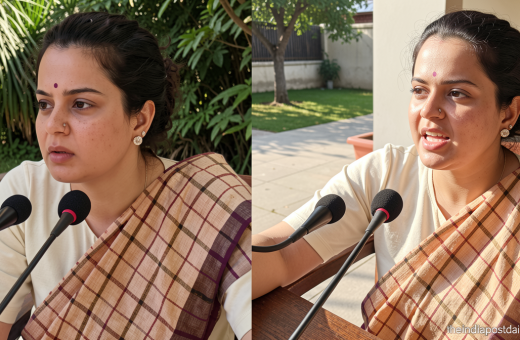
UCC in West Bengal soon? State Cabinet clears panel to examine draft Uniform Civil Code bill
With the focus keyword "UCC in West Bengal soon" now firmly in the spotlight, the state government

West Bengal Set to Implement Uniform Civil Code Soon
Theindiapostdaily.com – With the focus keyword “UCC in West Bengal soon” now firmly in the spotlight, the state government has taken a significant step toward enacting the Uniform Civil Code (UCC). The State Cabinet’s approval of a panel to review the draft bill signals a commitment to harmonizing personal laws across religions and cultures, a long-standing goal that has sparked both enthusiasm and debate among citizens. This move positions West Bengal as a potential leader in the UCC initiative, following the successful implementations in states like Uttarakhand and Assam.
Committee Formation and Immediate Next Steps
The decision to establish a committee reflects a structured approach to implementing the UCC. Led by retired Supreme Court Justice Ranjana Prakash Desai, the panel will operate for four weeks to thoroughly examine the proposed legislation. Minister Agnimitra Paul emphasized that the committee’s findings will be crucial in shaping the next phase of the bill’s progression through the state assembly. This timeline allows for comprehensive analysis of the UCC’s provisions, ensuring alignment with local needs and legal frameworks.
“The committee will conduct an in-depth review of the draft UCC bill and deliver its recommendations within the stipulated period,” Paul stated, underscoring the importance of meticulous evaluation before finalizing the legislation. The government has also expressed confidence in the bill’s potential to foster social equity and uniformity in civil matters.
Political Commitment and Historical Context
The UCC initiative aligns with the Bharatiya Janata Party’s (BJP) broader vision for secular governance, a cornerstone of its 2026 Assembly election campaign. By clearing the panel, the state government is fulfilling a key electoral promise, signaling its readiness to push forward with reforms that transcend religious personal laws. This shift comes after the Trinamool Congress, which governed the state for over a decade, had previously prioritized regional cultural identities.
“We aim to bring the Uniform Civil Code to West Bengal as soon as possible. After studying the successful models from Uttarakhand and Assam, we are prepared to introduce the bill in the upcoming Budget Session,” said Chief Minister Suvendu Adhikari, as reported by the Indian Express. His remarks highlight the state’s intention to learn from prior implementations while tailoring the UCC to local conditions.
Key Provisions of the UCC and Public Engagement
The Uniform Civil Code draft bill addresses critical areas such as marriage, divorce, property inheritance, and child custody, aiming to create a unified legal system for all citizens. The committee will assess these provisions and gather input from diverse groups, including religious communities, legal experts, and civil society organizations. Adhikari has stressed the importance of public feedback, acknowledging that the UCC’s success depends on widespread acceptance and understanding.
“The UCC is not just a legal reform but a societal shift. We want to ensure that every citizen, regardless of faith, is treated equally under the law,” Adhikari added. This sentiment is echoed by legal analysts who argue that the UCC could eliminate disparities in personal law, particularly for women and minorities.
Broader Implications and National Alignment
The UCC’s implementation in West Bengal is part of a larger national movement toward secular legal reforms. While states like Uttarakhand introduced the UCC in 2024, and Assam followed in 2026, West Bengal’s approach emphasizes regional adaptability. The draft bill’s provisions, though aligned with national objectives, are designed to address specific challenges in West Bengal, such as the legal status of women in Hindu, Muslim, and Christian communities. This localized strategy aims to balance uniformity with cultural sensitivity.
Controversy and the Path Forward
Despite its progressive goals, the UCC remains a contentious issue. Critics argue that it could undermine traditional customs and religious practices, particularly in Muslim communities where the personal law is deeply rooted. However, proponents highlight the UCC’s potential to eliminate gender bias and ensure equal rights in matters like marriage and inheritance. The committee’s recommendations will play a vital role in addressing these concerns and forging a consensus.
“While the UCC is a bold step, it must be introduced with transparency and dialogue. The committee’s work will determine whether this reform resonates with the people or faces resistance,” noted a legal expert from the Centre for Women’s Development Studies, as reported in The Hindu. This perspective underscores the need for public awareness campaigns and stakeholder engagement to ease the transition.
Future Outlook and Legislative Challenges
As the committee begins its work, the state government is preparing for potential legislative hurdles. The UCC’s introduction in the August Budget Session will require careful navigation of political and social dynamics. With the focus keyword “UCC in West Bengal soon” gaining momentum, the government’s resolve to enact the law is evident. However, the success of this initiative will depend on the committee’s ability to present a compelling case that bridges legal uniformity and cultural inclusivity.
“We are committed to ensuring that the UCC becomes a reality in West Bengal. The process will be transparent, and the bill will be refined based on community input,” Adhikari reiterated, emphasizing the government’s determination. This commitment is likely to be a key talking point in upcoming debates and discussions within the state assembly.