Twisha Sharma death: AIIMS report links gymnastics belt to neck injuries, CBI reviews forensic findings
Twisha Sharma Death: AIIMS Report Links Gymnastics Belt to Neck Injuries, CBI Reviews Forensic Findings Twisha Sharma death - Twisha Sharma’s death has taken
Twisha Sharma Death: AIIMS Report Links Gymnastics Belt to Neck Injuries, CBI Reviews Forensic Findings
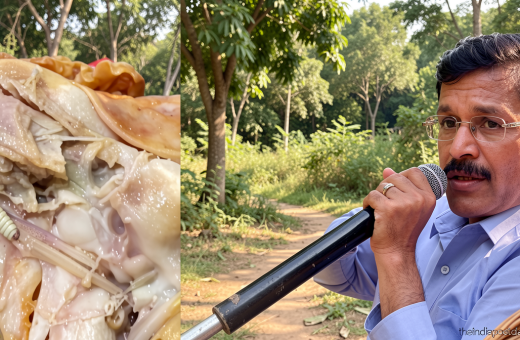
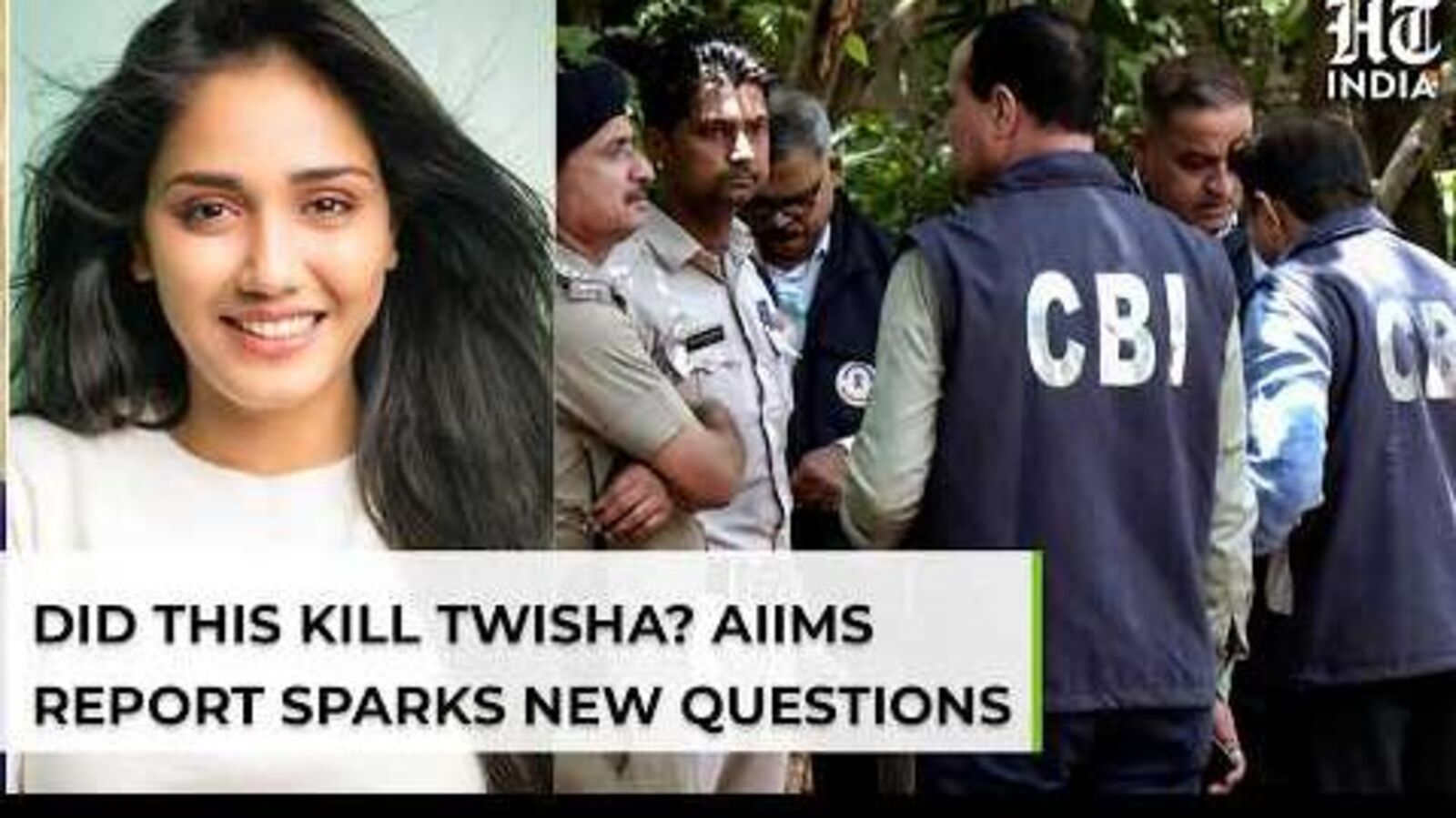
Theindiapostdaily.com – Twisha Sharma’s death has taken a significant turn as the AIIMS report suggests a possible connection between the gymnastics belt and her neck injuries, prompting the Central Bureau of Investigation (CBI) to reassess the forensic evidence. The former model was found hanging in her marital home in Bhopal on May 12, as reported by PTI. The 11-page report, submitted to the CBI in a sealed envelope on July 10, now points to the belt as a potential ligature used in her death, adding new layers to the ongoing investigation. This development has reignited public interest in the case, with many now questioning the circumstances surrounding her passing.
Family’s Claims of Dowry Harassment
Twisha, 33, had married Samarth Singh in December of the previous year, marking the beginning of her new life with the couple. However, the initial post-mortem report did not identify the ligature, as the gymnastics belt was not available for analysis at the time. The family asserts that Samarth was responsible for the harassment, citing a distressing conversation between Twisha and her mother on the night of her death. According to the FIR, Samarth brought Twisha to AIIMS Bhopal around 10:20 pm, claiming she had taken her own life. Yet, a doctor at the hospital noted she had already succumbed to her injuries before arrival, leading to the filing of a medico-legal case.
The family’s account reveals that Twisha had called her mother at 9:41 pm, during which Samarth was reportedly shouting. The conversation ended abruptly, and after multiple failed attempts to reach Twisha, her mother-in-law, Giribala Singh, answered a subsequent call and informed her sister-in-law that she was “no more.” This sequence of events has been central to the family’s argument that the death was not a voluntary act but a result of domestic pressure, particularly linked to dowry demands.
Second Post-Mortem and Scientific Analysis
The initial post-mortem concluded that Twisha’s death was due to antemortem hanging by a ligature, noting multiple injuries sustained before her death. However, the family contested these findings, highlighting inconsistencies in the investigation. The Madhya Pradesh High Court subsequently ordered a second autopsy at AIIMS Delhi, which was conducted with meticulous attention to detail. Dr. Sudhir Gupta, head of the Department of Forensic Medicine at AIIMS Delhi, emphasized that the medical board reviewed extensive literature and conducted a thorough scientific evaluation to arrive at their conclusions.
“The board examined the case from all angles, referenced nearly a month’s worth of national and international journals, and formed a clear opinion with scientific backing,” Gupta stated to PTI. “This is now available to the CBI and judiciary for pursuing justice.”
The report’s findings, which include skin tissue samples from the gymnastics belt, have been pivotal in linking the item to her neck injuries. The CBI is now analyzing the evidence to determine whether the belt was the cause of her death, potentially shifting the narrative from suicide to a possible accidental or intentional hanging.
The details of the forensic analysis reveal that the belt, which had been retrieved by the police, showed signs of contact with Twisha’s neck. This aligns with the injury patterns observed in her body, raising questions about the circumstances of her death. The report also highlights the role of the medical board in ensuring the investigation was thorough, as they aimed to eliminate any doubts about the cause of her passing. The CBI’s review of these findings is expected to provide clarity on the case and determine the next steps in the legal process.
As the CBI continues its analysis, the case has sparked a broader conversation about domestic violence and dowry-related pressures in Indian society. Twisha’s death has been seen as a tragic example of the challenges faced by women in such situations, with her family’s claims of harassment gaining traction in public discourse. The scientific evidence from AIIMS, particularly the link between the gymnastics belt and her injuries, has become a focal point for advocates calling for stricter scrutiny of cases involving domestic disputes.
Twisha Sharma’s death remains a poignant reminder of the complexities surrounding such cases. The AIIMS report, now under CBI review, could potentially reshape the understanding of her demise. With the family’s allegations of harassment and the forensic evidence pointing to a possible ligature, the case is far from closed. As the investigation progresses, the community watches closely, hoping for a resolution that addresses the broader issues of gender-based violence and the role of forensic science in uncovering the truth. The next steps will be crucial in determining whether the death was a tragic accident, a suicide, or a result of external pressures.