TMC vs TMC in Calcutta HC: Mamata-led faction moves court against Speaker’s decision recognising Ritabrata as LoP
TMC vs TMC in Calcutta: Mamata Faction Files Court Petition Over LoP Recognition Theindiapostdaily.com – In a landmark development, the Trinamool Congress (TMC) in West Bengal has found itself embroiled…
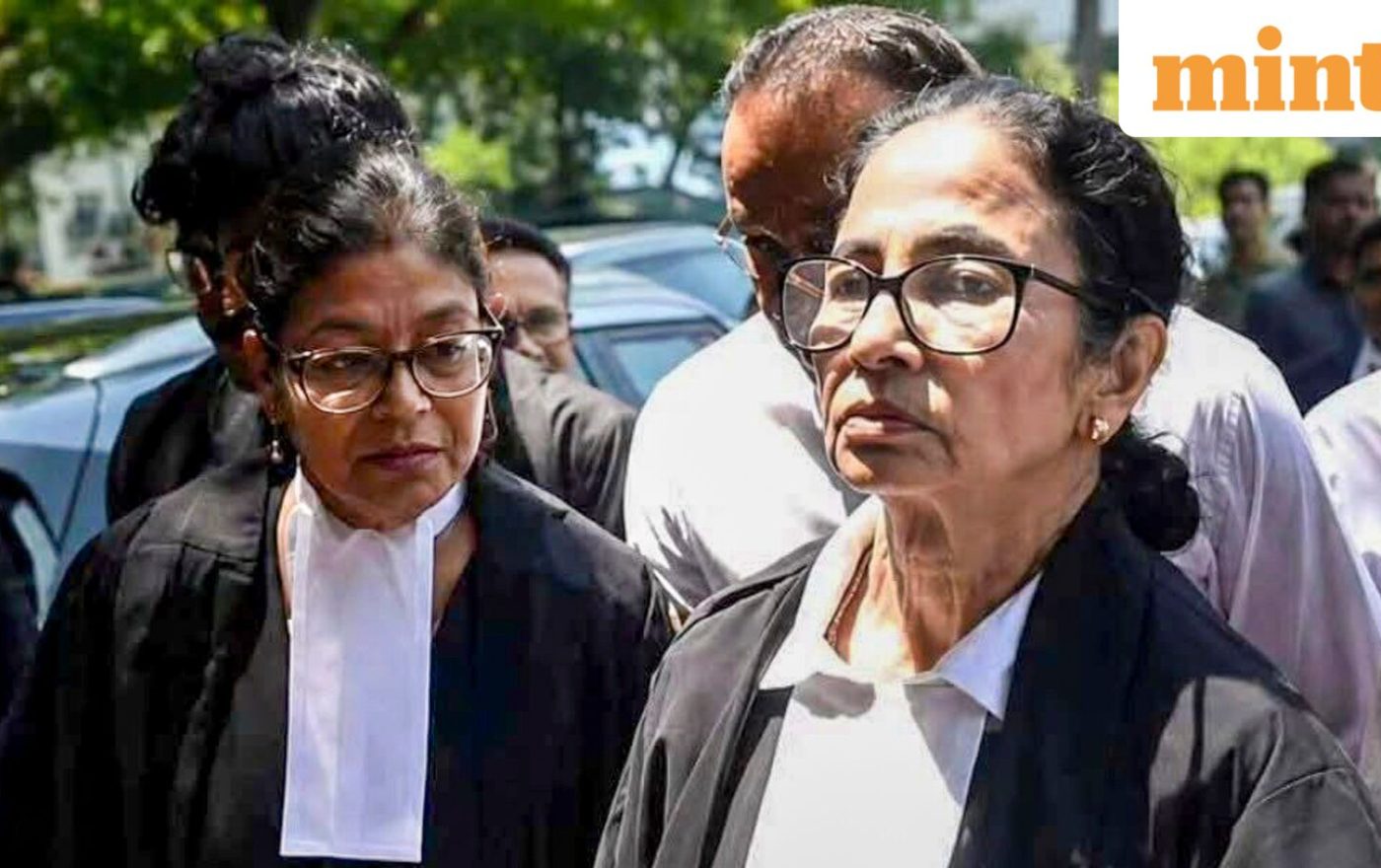
TMC vs TMC in Calcutta: Mamata Faction Files Court Petition Over LoP Recognition
Theindiapostdaily.com – In a landmark development, the Trinamool Congress (TMC) in West Bengal has found itself embroiled in a legal showdown within the Calcutta High Court, with the Mamata Banerjee-led faction challenging the Speaker’s decision to recognize Ritabrata Banerjee as the Leader of Opposition (LoP). This internal conflict has sparked renewed interest in the dynamics of parliamentary politics, as the party’s own members now face a battle over leadership and representation. The dispute centers on the Speaker’s formal appointment of Ritabrata Banerjee, which the Mamata faction claims undermines the party’s collective authority and violates established procedures.
Speaker’s Decision and Legal Proceedings
The Calcutta High Court has become the epicenter of this unprecedented intra-party struggle, with the Mamata faction filing a petition to overturn the Speaker’s recognition of Ritabrata Banerjee as LoP. The petition, reportedly supported by legal counsel, argues that the Speaker’s action was not in line with the constitutional framework and the party’s internal decision-making process. The court has accepted the petition, and Justice Krishna Rao has directed the case to be heard on June 11, emphasizing the urgency of resolving the matter before the legislative session concludes. The legal team representing the Mamata faction is expected to present arguments that highlight the procedural inconsistencies in the Speaker’s choice.
According to the petition, the recognition of Ritabrata Banerjee as LoP was based on a letter signed by 58 TMC legislators, which the party leadership claims was forged to legitimize the opposition faction. The Speaker’s office, however, maintains that the decision followed due process and was supported by a majority of the legislators. This legal challenge not only tests the boundaries of parliamentary procedures but also raises questions about the credibility of the TMC’s internal consensus and the role of the Speaker in ensuring fair representation.
Political Fallout and Leadership Dynamics
The rift within the TMC has deepened following the Speaker’s decision, which has sparked debates about the party’s unity and strategic direction. The Mamata faction, which holds a majority of the party’s legislators, views the recognition of Ritabrata Banerjee as a move to marginalize its influence in the assembly. Meanwhile, the Ritabrata faction argues that the Speaker’s choice reflects a broader political strategy to counter the BJP’s majority and strengthen the opposition’s voice. This internal conflict is further complicated by the party’s recent electoral performance, where the BJP secured 207 seats compared to TMC’s 80, leaving the latter in a precarious position.
The division within the TMC has also raised concerns about the party’s ability to maintain a cohesive front in the legislative assembly. With 58 MLAs endorsing Ritabrata Banerjee, the Speaker’s decision has created a situation where the party’s own leadership is forced to confront its internal dissent. The court’s ruling could set a precedent for future disputes within the TMC, influencing how the party navigates its political landscape. As the case progresses, the focus will remain on whether the Speaker’s authority is being appropriately exercised or if it has been misused to favor a particular faction.
“The Speaker’s decision has created a paradox where the majority of TMC members now support a faction that claims to represent the opposition,” said a senior party leader. “This undermines the party’s unity and sends a confusing message to the public.” The statement reflects the growing tension within the TMC as the court case unfolds. Meanwhile, Ritabrata Banerjee has emphasized that his recognition as LoP is a democratic process, stating, “We have the backing of the assembly members who voted for us, and that should be respected.”
The implications of this legal battle extend beyond the TMC’s internal structure. The decision has drawn attention to the importance of the Leader of Opposition role in West Bengal politics, with critics arguing that it should be a symbol of the opposition’s collective strength rather than a tool for factional maneuvering. The Mamata faction’s petition also highlights the need for transparency in the process of selecting the LoP, as the party seeks to reaffirm its control over the legislative agenda. As the court prepares to deliver its verdict, the outcome could redefine the balance of power in the state assembly and influence the TMC’s future strategies.
Historical Context and Constitutional Provisions
To understand the current conflict, it’s essential to examine the constitutional provisions governing the recognition of the Leader of Opposition. Under the rules of the West Bengal Legislative Assembly, the LoP is typically determined by the majority of the opposition members, which in this case has been disputed by the Mamata faction. The party leadership claims that the process was manipulated to secure the recognition of Ritabrata Banerjee, while the dissenting members argue that the Speaker’s decision followed the correct protocol. This dispute underscores the fragility of intra-party agreements and the potential for legal mechanisms to resolve political disagreements.
The case also brings to light the historical context of the TMC’s leadership structure. Mamata Banerjee, the party’s founder and long-standing leader, has faced challenges from within her own ranks over the years, particularly as the party grew in size and complexity. This current battle, however, is unique in its legal dimension, as it is being contested in a high court. The petition not only seeks to validate Sovandeb Chattopadhyay’s candidacy but also aims to set a legal precedent that could influence future appointments. The court’s decision is expected to clarify the boundaries of the Speaker’s authority and the procedures for determining the LoP, which are central to the TMC vs TMC in Calcutta HC case.
As the legal proceedings unfold, the TMC’s internal dynamics will remain a focal point for analysts and political observers. The Mamata faction’s argument hinges on the idea that the LoP should represent the party’s overall stance, rather than a splinter group’s preferences. Meanwhile, the Ritabrata faction’s recognition is seen as a strategic move to consolidate opposition strength in the assembly. This conflict highlights the challenges of maintaining party cohesion in a diverse and evolving political environment. The court’s ruling is anticipated to be a decisive moment for the TMC, shaping its future trajectory in West Bengal politics.