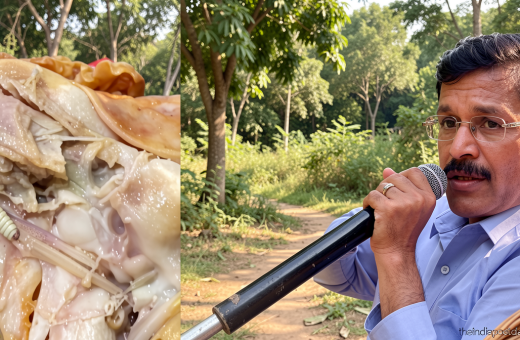
Tihar food ‘too oily, spicy’ — Myanmar terror group ‘trainer’ Matthew VanDyke seeks permission to cook his own food
Matthew VanDyke Requests Tihar Food Adjustments: Too Oily and Spicy Theindiapostdaily.com – Matthew Aaron VanDyke, an American national detained in Tihar Jail, has raised concerns about the Tihar food's high…

Matthew VanDyke Requests Tihar Food Adjustments: Too Oily and Spicy
Theindiapostdaily.com – Matthew Aaron VanDyke, an American national detained in Tihar Jail, has raised concerns about the Tihar food’s high oil and spice content, which he claims has adversely affected his health. The case has drawn attention as VanDyke, who is associated with a Myanmar terror group, seeks permission to prepare his own meals while in custody. His legal team argued that the standard diet of the jail, characterized by its oily and spicy nature, has led to significant weight loss and weakened his immunity, forcing him to rely on alternative food sources for over 50 days.
The Context of VanDyke’s Detention
VanDyke’s connection to a Myanmar-based militant organization has been central to his interrogation by the National Investigation Agency (NIA). His detention, which began in [insert date if available], has been scrutinized by legal experts and human rights organizations. The Tihar food too oily spicy issue has emerged as a key point in his legal appeal, with his counsel emphasizing that the traditional Indian prison diet is not suitable for his dietary needs. This includes items like deep-fried foods, lentils, and a variety of spicy seasonings that VanDyke finds difficult to tolerate.
VanDyke’s Health Concerns and Legal Appeal
VanDyke’s legal team highlighted that his health has deteriorated due to the Tihar food too oily spicy diet, particularly affecting his digestive system and overall energy levels. They provided medical evidence to support their claim, noting that he has experienced symptoms such as nausea, stomach cramps, and fatigue. The application for independent cooking was submitted to a Delhi court, which has since ordered the jail authorities to address his request within a specified timeframe. The Tihar food too oily spicy debate has sparked discussions about the adequacy of prison meal provisions for detainees with specific dietary requirements.
VanDyke’s counsel stressed that the Tihar food too oily spicy menu has not only caused physical discomfort but also raised questions about the fairness of his treatment in custody. They requested the provision of a kitchen set, including utensils and cooking equipment, to allow him to prepare meals that align with his dietary preferences and nutritional needs.
The Legal Proceedings and Court Response
Additional Sessions Judge Prashant Sharma of the Patiala House Court has been overseeing the case, granting the jail authorities a few days to respond to VanDyke’s request. The court previously issued a notice to both the prison officials and the NIA, ensuring that all parties are involved in the decision-making process. The Tihar food too oily spicy issue is set to be revisited during the next hearing on July 21, which will determine whether VanDyke will be allowed to cook his own meals. This development underscores the growing importance of dietary rights in the legal framework of Indian prisons.
The application detailed VanDyke’s desired menu, which includes items like red meat, chicken, fish, uncooked noodles, pasta, rice, and a selection of fresh vegetables. He also requested access to essential kitchen tools such as induction stoves, pots, bowls, and a plastic chopper. His family has offered to cover the associated costs, ensuring that the practicality of his request is not a barrier. The Tihar food too oily spicy problem has been further complicated by the lack of readily available ingredients, prompting concerns about the consistency of the jail’s food supply.
VanDyke’s case has sparked interest in the broader implications of dietary restrictions for detainees. Legal experts argue that providing tailored meal options is crucial for maintaining physical well-being and mental morale. The Tihar food too oily spicy issue highlights the need for prison authorities to adapt meal plans to accommodate individual health conditions, especially for foreign nationals unfamiliar with the local cuisine. As the legal battle continues, the outcome may set a precedent for similar requests in the future, emphasizing the role of nutrition in the justice system.