Textile ministry reopens PLI scheme, halves turnover threshold to ₹100 cr
The textiles ministry will reopen applications for its production-linked incentive scheme from 1 November through 31 December, creating a wider entry path for
Textile PLI scheme reopens with lower turnover bar for MSMEs
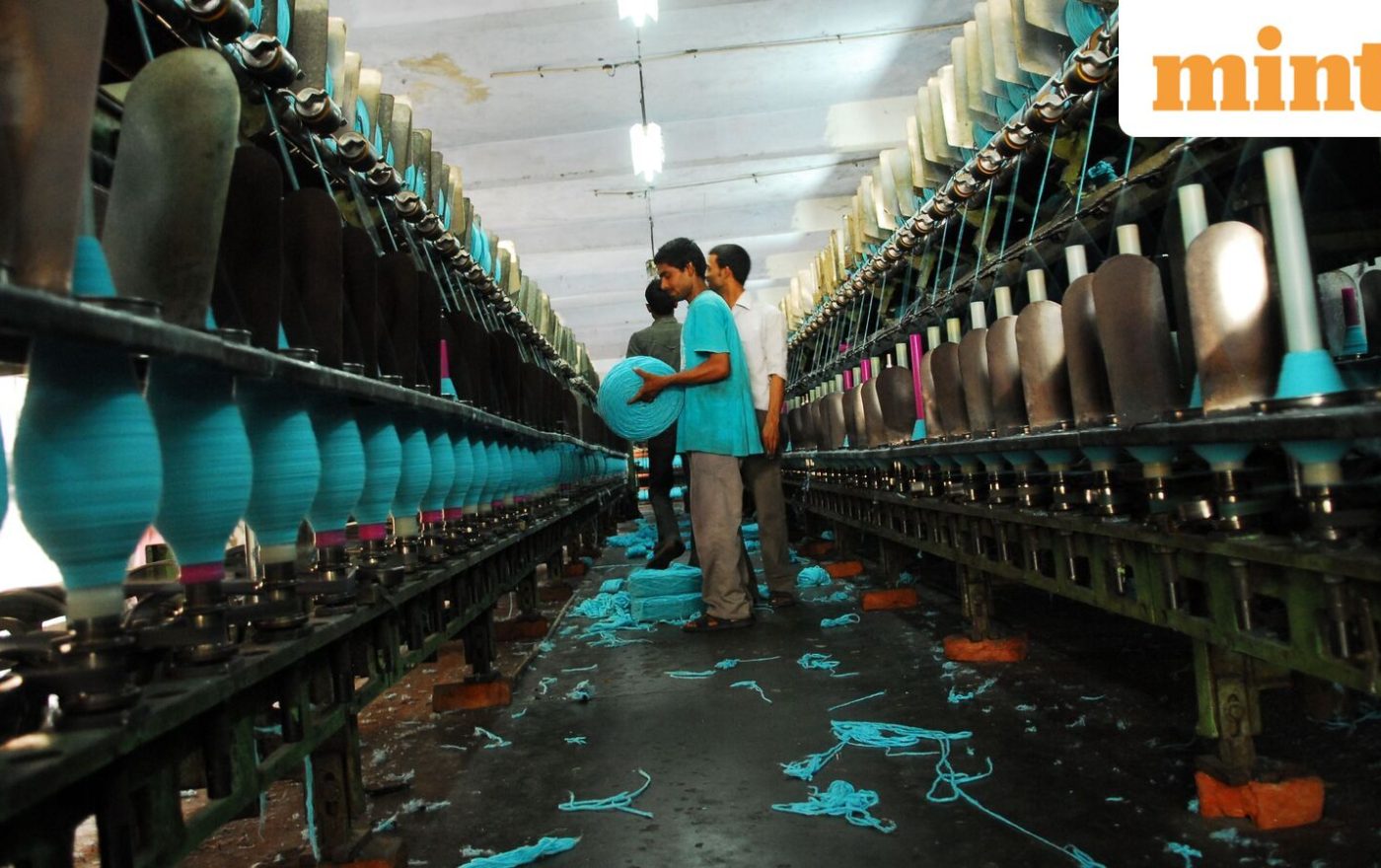
Theindiapostdaily.com – The textiles ministry will reopen applications for its production-linked incentive scheme from 1 November through 31 December, creating a wider entry path for smaller textile manufacturers. The key revision cuts the minimum turnover requirement in the scheme’s second category from ₹200 crore to ₹100 crore.
The fourth application round is designed to bring more investment into man-made fibre apparel, man-made fibre fabrics and technical textiles. By lowering the threshold, the government is seeking to make the programme more accessible to micro, small and medium enterprises that are ready to expand production but may not have met the earlier turnover benchmark.
The ministry has also extended the scheme’s duration through FY 2033-34 for businesses approved in this fourth round. The longer operating horizon is intended to give incoming participants more confidence when planning investments, adding capacity and developing manufacturing operations over time.
Focus on manufacturing and export capability
The PLI programme was introduced to encourage production of selected man-made fibre garments, fabrics and technical textile products. Its wider goals include improving the competitiveness of Indian manufacturers, supporting jobs, drawing fresh investment and lowering reliance on imports in targeted product segments.
The latest changes arrive as India looks to use its expanding network of free trade agreements to reach more overseas markets for labour-intensive products, including textiles and apparel. A larger pool of eligible domestic producers could help firms build the scale needed to respond to export opportunities and participate more deeply in international textile value chains.
Industry participants have welcomed the reduction in the qualifying turnover level, while also highlighting the importance of clear rules and smooth execution. Vinod Kumar, president of the India SME Forum, said the change reflects the needs of manufacturers that are still growing.
“Reducing the turnover criteria for the textiles PLI scheme demonstrates the government’s responsiveness to the ground-level realities of growing manufacturers. This step will encourage mid-sized units and proactive SMEs to invest with confidence, expand their capacities, and contribute meaningfully to the country’s manufacturing growth story,” said Vinod Kumar.
He added that the measure will need practical delivery mechanisms if it is to achieve its potential.
“The amendment’s success will depend on effective implementation, clear eligibility guidance, timely approvals, access to affordable finance and practical support for enterprises preparing their applications,” he added.
For businesses considering an application, those factors could be especially significant. The turnover revision may broaden eligibility, but companies will still need to assess the scheme’s conditions, prepare their applications carefully and ensure that their expansion plans fit the eligible product categories.
Industry sees a confidence boost
Prabhu Dhamodharan, convenor of the Indian Texpreneurs Federation, said the revised framework should support broader participation and investments with a longer-term outlook. He linked the move to the market access potential created by India’s trade agreements.
“With India’s expanding FTA network opening new global markets, these changes come at an opportune time,” he said.
The textile and apparel sector is continuing to pursue an ambition of reaching $350 billion by 2030, even as companies contend with challenging global conditions. Ashwin Chandran, chairman of the Confederation of Indian Textile Industry, described the changes as an important signal for the sector.
“At a time when the industry continues to be buffeted by global headwinds even as it vigorously strives towards the $350 billion ambition for the textile and apparel sector by 2030, this measure comes as a huge confidence booster and provides a huge fillip to companies,” said Ashwin Chandran.
The focus on man-made fibre and technical textiles is notable because these categories are central to the scheme’s incentive structure. Technical textiles cover products made for functional uses rather than conventional clothing, while man-made fibre manufacturing spans fabrics and apparel made from synthetic or regenerated fibres. Encouraging investment in these areas is intended to strengthen India’s manufacturing base across higher-value textile segments.
Exports show gradual growth
India’s textile and apparel exports, including handicrafts, reached ₹3.25 trillion in FY26, up 1.8% from ₹3.20 trillion in FY25. Directorate General of Commercial Intelligence and Statistics data also show that exports of man-made fibre textiles increased 3.3% to ₹46,254 crore, compared with ₹44,788 crore in the previous financial year.
Ready-made garment exports rose 2.9% to ₹1.39 trillion. These figures underline the scale of the sector and the policy interest in helping manufacturers improve their ability to compete in both domestic and export markets.
Existing participants from the first three PLI application rounds may move into the fourth round, but only if they have not claimed or received any incentive under the programme. Where required, they must first withdraw their earlier applications before shifting to the new round.
Eligible companies can submit applications through the ministry’s online portal at pli.texmin.gov.in. The portal will remain available until 31 December, giving prospective participants a two-month window to evaluate eligibility, complete documentation and apply under the revised terms.
Related Reading
Frequently Asked Questions
What is Textile ministry reopens PLI scheme halves?
Textile ministry reopens PLI scheme halves is the main topic of this guide. The article explains the context, practical details, and next steps readers should understand.
Why does Textile ministry reopens PLI scheme halves matter?
Textile ministry reopens PLI scheme halves matters because readers are looking for a useful answer, not just a short summary. Good content should match search intent and help them decide what to do next.