Sonam Wangchuk to lead CJP’s march to Parliament on July 20 seeking resignation of Dharmendra Pradhan
Sonam Wangchuk to Lead CJP's Protest for Pradhan's Resignation Theindiapostdaily.com – Sonam Wangchuk, the prominent activist and leader of the Cockroach Janta Party (CJP), has announced his intention to spearhead…
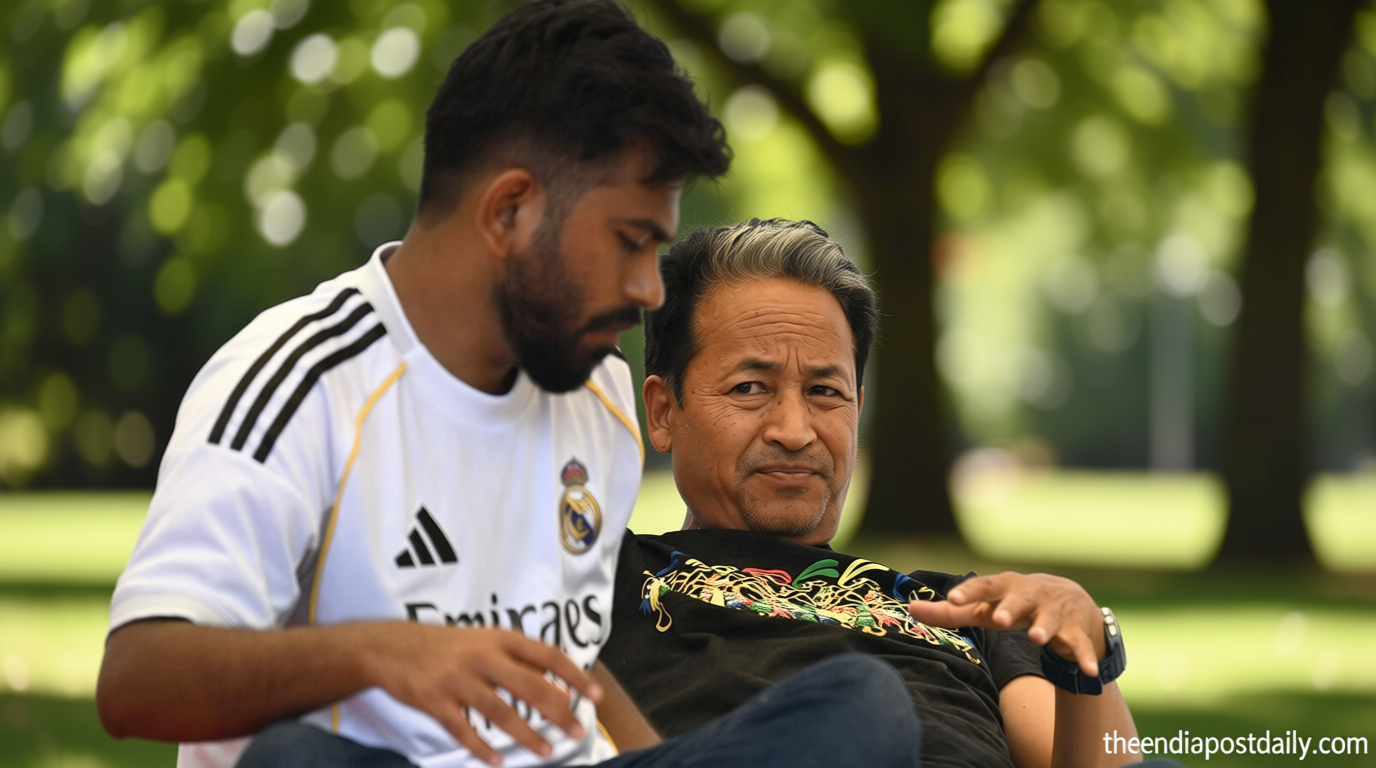
Sonam Wangchuk to Lead CJP’s Protest for Pradhan’s Resignation
Theindiapostdaily.com – Sonam Wangchuk, the prominent activist and leader of the Cockroach Janta Party (CJP), has announced his intention to spearhead a significant protest march on 20th July, the opening day of the Monsoon Session in Parliament. This demonstration, organized by the CJP, will take place from Jantar Mantar to the parliamentary complex and is specifically aimed at demanding the resignation of Union Education Minister Dharmendra Pradhan. Wangchuk, who has been fasting for 11 days, remains a central figure in the movement, even as his health deteriorates. His efforts to highlight systemic flaws in the education sector have gained widespread attention, with the protest serving as a pivotal moment in the ongoing push for educational reform.
The Movement’s Demands and Context
The CJP’s protest is rooted in a broader campaign against what activists describe as a flawed education system that has led to the tragic deaths of students. The party has accused the government of failing to address systemic issues, including exam pressures, lack of resources, and neglect of student welfare. Sonam Wangchuk’s leadership has become a symbol of this struggle, drawing thousands to the streets as they call for accountability from officials. The protest coincides with the Monsoon Session, a critical period for legislative action, and is expected to intensify the pressure on Pradhan to step down. With the government under scrutiny, the march aims to amplify the voices of those affected and push for immediate changes in policy.
Wangchuk’s Health and the Protest’s Momentum
As the protest approaches, Sonam Wangchuk’s health has become a focal point of concern. Medical reports reveal that he has lost over seven kilograms during his hunger strike, bringing his current weight to 59.40 kg. His vital signs, while stable, show a decline in energy and endurance, yet he continues to inspire participants. The leadership of Wangchuk, despite his weakened state, has kept the movement cohesive, with supporters rallying around his cause. The march is not only a demand for resignation but also a testament to the protesters’ resolve, highlighting their commitment to advocating for a better educational system. His personal sacrifice underscores the gravity of the situation, drawing public sympathy and media coverage.
AISA’s Role and Continued Resistance
The All India Students’ Association (AISA) has played a crucial role in supporting the CJP’s cause, with its leaders emphasizing the need for systemic reform. Four AISA members, including the president Neha, Delhi University Vice President Deepak, and Uttar Pradesh leaders Manish and Neha, remain on hunger strike at Jantar Mantar. They accuse the central government of dismissing their demands, even as the health of protesters worsens. “The administration is ignoring the calls for Pradhan’s resignation, even as activists suffer,” AISA stated in a recent release. This continued resistance reflects the deepening crisis in the education sector and the growing solidarity among student groups. The movement has gained momentum, with participants from across the country joining the cause.
Protest Significance and Public Response
The protest on 20th July is seen as a turning point for the CJP and its allies. By marching to Parliament during the Monsoon Session, the activists aim to draw attention to their grievances and force legislative action. The event has sparked discussions in both media and political circles, with some analysts suggesting that it could influence upcoming policy decisions. Public response has been overwhelmingly supportive, with social media platforms amplifying the message and encouraging participation. The march is also expected to bring together diverse groups, including parents, teachers, and education advocates, to highlight the widespread impact of the issues at hand.
“If you truly want me to stay alive, don’t just send messages from your homes. Come to Delhi and join me in a peaceful march to Parliament on 20th July. Together, we can ensure that our voices are heard where laws are made.”
Political Implications and Future Steps
The timing of the protest, during the Monsoon Session, is strategically chosen to maximize political exposure. Dharmendra Pradhan’s resignation could signal a shift in government priorities, particularly in addressing student welfare. Sonam Wangchuk’s leadership has kept the movement organized and focused, with plans to escalate pressure on the administration. As the march approaches, organizers are preparing for a large turnout, aiming to create a visible impact on lawmakers. The event is not just a call for Pradhan’s resignation but also a broader critique of the education system’s failures. With public and media attention growing, the CJP hopes to leverage this moment to achieve lasting change.