Sonam Wangchuk ‘still fasting’, ink thrown at Abhijeet Dipke – What happened at Jantar Mantar today?
Sonam Wangchuk Still Fasting Amid Jantar Mantar Chaos: Key Moments Unfold Protest Context and Activist Background Sonam Wangchuk still fasting ink thrown
Sonam Wangchuk Still Fasting Amid Jantar Mantar Chaos: Key Moments Unfold
Protest Context and Activist Background
Theindiapostdaily.com – The ongoing hunger strike by activist Sonam Wangchuk has intensified the Jantar Mantar protests, drawing national attention to the growing tensions between the Cockroach Janata Party (CJP) and Education Minister Dharmendra Pradhan. Initially conceived as an online satire movement, the CJP has transformed into a formidable political force demanding accountability for the NEET ‘paper leak’ scandal, which disrupted exams and sparked widespread student unrest. Wangchuk, a central figure in the protest, has been fasting for 20 days since June 28, 2026, to press for the minister’s resignation and a government dialogue with the protesters. His continued fast has become a symbol of defiance, with the situation at Jantar Mantar evolving into a dramatic focal point for public discourse.
Saturday’s Turning Point
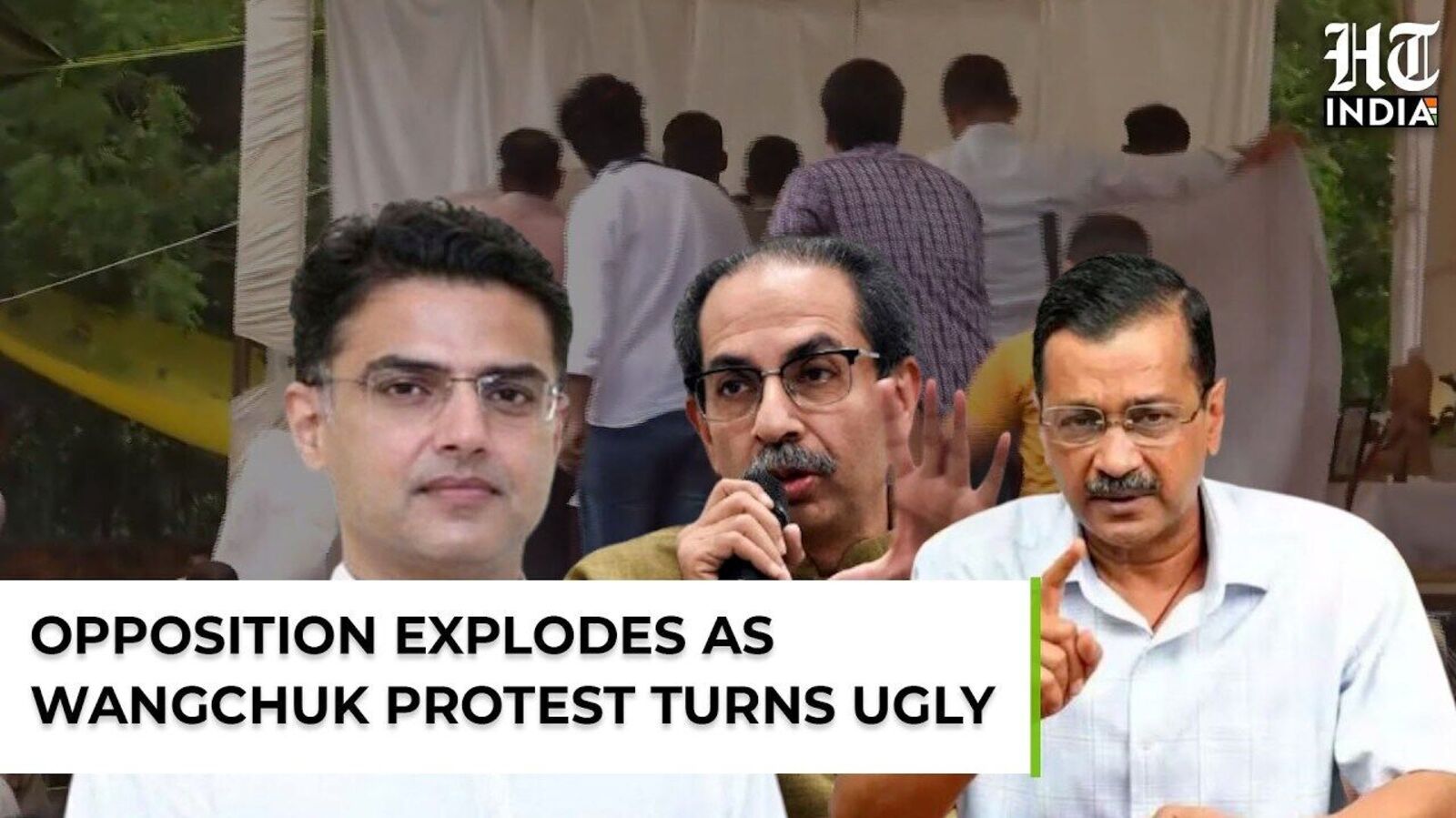
On July 18, the protest at Jantar Mantar escalated into chaos as Delhi Police intervened to remove Sonam Wangchuk from the site. Witnesses reported that Wangchuk was forcibly dragged away, covered in white sheets, and taken to Safdarjung Hospital. The incident ignited debate about the police’s tactics, with critics questioning whether the action was necessary or excessive. Following this, CJP founder Abhijeet Dipke expressed his solidarity with Wangchuk by announcing an indefinite fast, adding to the momentum of the protest. The sequence of events, from the arrest to the hospitalization, has become a pivotal moment in the movement’s narrative.
“A 60-year-old man, who had been on a hunger strike for 20 days and hadn’t eaten a thing, was forcibly dragged away by the Delhi Police,” Dipke recounted during his speech at the protest site. His words captured the anguish of supporters, many of whom viewed the incident as a violation of the protesters’ right to peaceful assembly. The moment underscored the emotional and political stakes of the movement, with Dipke’s decision to fast further rallying the crowd.
Incident at the Hospital
As the protests unfolded, a woman was seen throwing an ink-like substance at Abhijeet Dipke around noon, escalating the tension at the scene. The CJP accused Delhi Police of conducting a “crackdown,” claiming that officers assaulted protesters and took Wangchuk without consent. According to the party, Dipke was briefly detained before being released, while Wangchuk was “successfully kidnapped” from the site. The incident raised concerns about the use of force and the transparency of the police’s actions, with some protesters accusing them of prioritizing control over communication.
“Mr. Sonam Wangchuk was received and admitted at Safdarjung Hospital for required health care at 7:40 am today. He is weak due to prolonged fasting and dehydration. Although he is currently stable, he requires continuous observation, monitoring, and treatment to restore his body parameters,” stated Dr. Charu Bamba, Medical Superintendent, in an official communication. Her remarks highlighted the medical urgency of the situation, emphasizing the need for immediate care to prevent complications from Wangchuk’s fast.
Police Clarifications and Legal Justifications
Delhi Police defended their actions, asserting that the intervention was in accordance with a high court order. DCP Sachin Sharma confirmed that the operation followed judicial instructions and was guided by medical advice, clarifying that Wangchuk was not arrested but transported for treatment. The police also refuted allegations of “lathi-charging,” arguing that their response was proportionate to the situation and necessary to ensure the safety of both protesters and law enforcement. This explanation aimed to reassure the public, though it did little to quell the controversy surrounding the protest’s management.
Public and Media Reaction
The events at Jantar Mantar have sparked a wave of reactions across social media and news platforms. Many users expressed solidarity with Wangchuk’s cause, using hashtags like #SonamWangchukFast and #CJPProtests to amplify the movement. Meanwhile, analysts debated the political implications of the incident, with some suggesting that the CJP’s shift from satire to activism reflects a broader public demand for systemic change. The ink thrown at Dipke and the arrest of Wangchuk have become viral moments, drawing comparisons to historical protest events and highlighting the growing influence of grassroots movements in Indian politics.
Impact on the NEET Scandal and Student Demands
The NEET paper leak scandal, which has been at the heart of the CJP’s protests, continues to fuel public anger. Students and educators argue that the incident not only compromised exam integrity but also exposed a lack of transparency in the education system. Sonam Wangchuk’s fast has been a powerful tool in keeping the issue in the spotlight, with his continued presence in the hospital serving as a reminder of the stakes involved. The CJP’s demands for accountability and the minister’s resignation have gained traction, even as the protests face scrutiny from critics who question the movement’s effectiveness and organization.
With the situation at Jantar Mantar evolving, the focus on Sonam Wangchuk still fasting ink thrown has become a rallying cry for those advocating for educational reforms. The protests have also brought attention to the broader implications of the NEET scandal, with discussions about its impact on students’ futures and the government’s response. As the movement gains momentum, the next steps will determine whether the CJP can sustain its influence or whether the situation will shift toward resolution. The fight for transparency and accountability remains at the core of the protest, even in the face of growing challenges.