Sonam Wangchuk sets 3 conditions to end fast as CJP gears up for ‘Chalo Sansad’ march from Jantar Mantar
Sonam Wangchuk Sets 3 Conditions to End Hunger Strike as CJP Prepares for 'Chalo Sansad' March Sonam Wangchuk sets 3 conditions to end - Delhi's political
Sonam Wangchuk Sets 3 Conditions to End Hunger Strike as CJP Prepares for ‘Chalo Sansad’ March
Theindiapostdaily.com – Delhi’s political landscape is set to shift with the upcoming “Chalo Sansad” march by the Cockroach Janta Party (CJP), as hunger striker Sonam Wangchuk has outlined three key conditions for ending his fast. The decision comes as the Central Government’s Monsoon Session of Parliament begins on July 20, and the CJP aims to draw attention to education reforms and accountability. Sonam Wangchuk’s hunger strike, which has captivated public discourse, is being closely monitored by authorities as they prepare to ensure smooth passage for the protest from Jantar Mantar to the Parliament House.
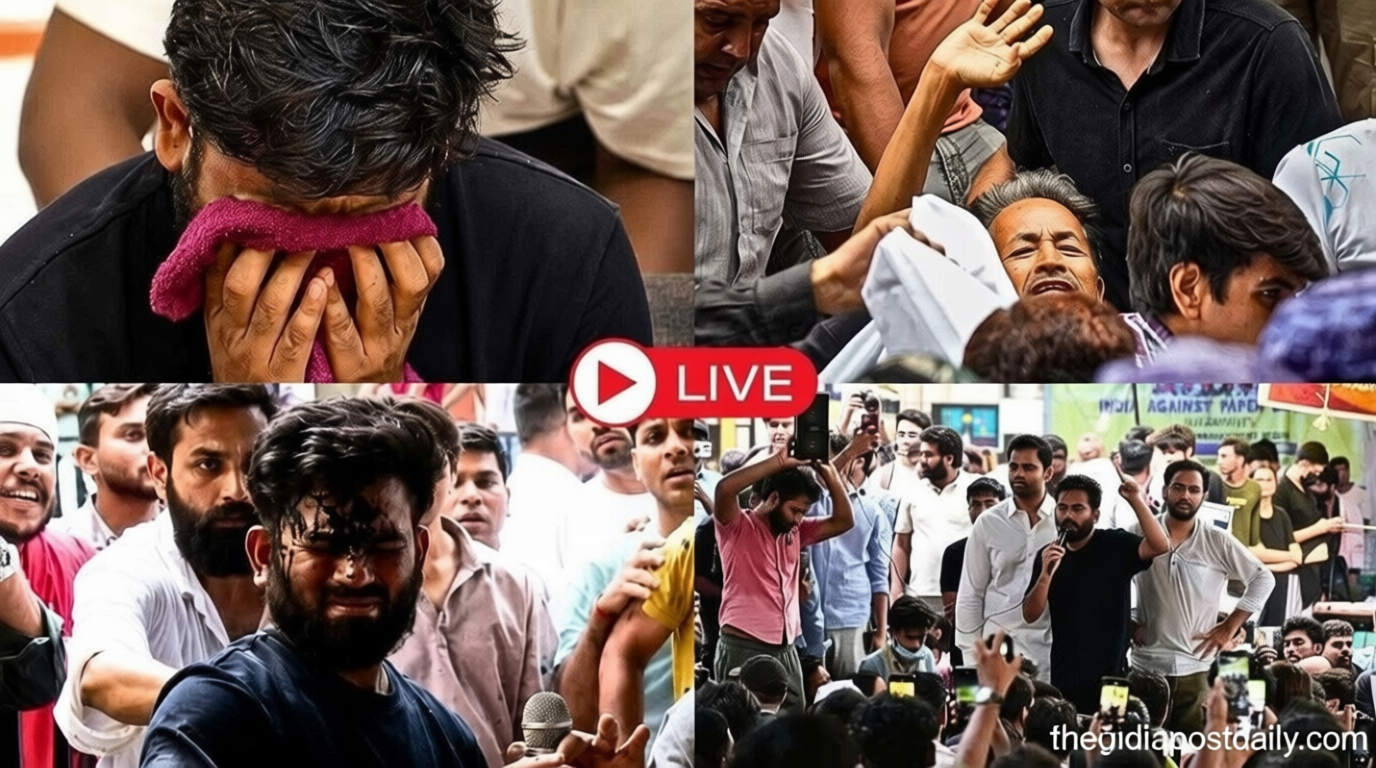
The protest has intensified in the days leading up to the march, with Jantar Mantar transforming into a vibrant hub of activity. Demonstrators from across the nation have converged in the area, waving banners and chanting slogans. Police have implemented stringent security measures, including multi-layered barricades and anti-sabotage checks, to manage the crowds and prevent any disruptions. The high level of anticipation has prompted law enforcement to increase patrols and surveillance, especially around critical junctions near Parliament.
Delhi Police Implements Proactive Security Measures
Delhi Police has enforced prohibitory orders under Section 163 of the BNSS, previously Section 144, to restrict gatherings and ensure the safety of lawmakers. These measures include bans on unauthorized rallies, weapon carrying, and large-scale protests in specific zones. The Monsoon Session of Parliament, scheduled from July 20 to August 13, has become a focal point for the CJP’s demands, with officials working to balance security and public expression. The police have also taken steps to adjust barriers and deploy surveillance equipment, reflecting their preparedness for the event.
On Monday, police officers engaged with CJP protesters and their spokesperson, Saurav Das, as the group sought clarity on the march’s logistics. Earlier in the week, social media posts highlighted the crowded protest site, emphasizing the national support for the movement. Abhijeet Dipke, the CJP founder, has been actively encouraging student participation, urging calm and coordination to maximize the march’s impact. This strategy underscores the party’s focus on aligning with the public’s aspirations for reform.
Conditions for Ending the Fast
Sonam Wangchuk’s three conditions for ending his fast are designed to hold the government accountable for its actions. The first condition requires that the administration takes full responsibility for recent failures in the education system, including the widespread paper leaks that have sparked controversy. The second condition is that he and CJP leaders reach the Parliament’s doorstep, where MPs and party leaders must publicly commit to addressing these issues during the session. The third condition is a fallback: if health or external factors prevent the march, then MPs from all parties must visit the hospital to reaffirm their promises.
These conditions reflect a strategic approach to ensure the government’s attention is directed toward resolving the grievances of students and educators. Sonam Wangchuk’s hunger strike has become a symbol of the movement’s resolve, and the three conditions are meant to amplify the call for accountability. Gitanjali Angmo, his wife, reiterated these demands in a public statement, emphasizing that political leaders must engage directly with Sonam to validate the CJP’s stance. This has added a personal dimension to the political discourse, rallying public support for the cause.
The hunger strike, which has been ongoing for several days, has drawn widespread attention to the education system’s challenges. With Sonam Wangchuk’s conditions serving as a roadmap for dialogue, the CJP’s efforts are not just about protest but about creating a framework for tangible change. The government’s response to these conditions will likely shape the tone of the Monsoon Session, as lawmakers prepare to address key issues raised by the movement. The march is expected to be a pivotal moment in this political narrative.
As the march approaches, Delhi’s streets are bracing for a surge in activity. Police have moved additional resources to manage the flow of protesters and ensure security. The use of vehicle-mounted X-ray scanners and the relocation of barricades demonstrate their preparedness for potential disruptions. Meanwhile, the CJP’s focus on clear conditions has helped maintain order among demonstrators, reducing the risk of chaotic confrontations with law enforcement. This careful orchestration highlights the group’s determination to make their voices heard without compromising their message.