Sonam Wangchuk may be shifted to Medanta, Gitanjali Angmo thanks Delhi HC for favourable order
The Delhi High Court has granted a favorable order for the

Delhi HC Approves Sonam Wangchuk’s Shift to Medanta
Sonam Wangchuk may be shifted to Medanta – The Delhi High Court has granted a favorable order for the transfer of climate activist Sonam Wangchuk from Safdarjung Hospital to Medanta Hospital, responding to his wife, Dr. Gitanjali Angmo’s appeal. This decision comes after a legal battle that highlighted concerns over the necessity of continuous medical care at a private facility of Wangchuk’s choice. The ruling follows an appeal against a Single Judge’s initial refusal, which was criticized for not fully addressing Wangchuk’s health needs. The court emphasized the importance of aligning medical treatment with his specific requirements, marking a pivotal moment for the family and supporters of the activist.
“My heartfelt thanks to the Hon’ble Delhi High Court for passing a favorable order of discharge to Medanta Hospital,” Angmo expressed on X. She also extended gratitude to advocates Akhil Sibal and Bahuli Sharma, whose legal efforts were instrumental in securing the transfer. “This decision not only alleviates our immediate concerns but also sets a precedent for ensuring better healthcare access for activists and citizens alike,” she added. The court’s recognition of Wangchuk’s grievances underscores growing public support for his cause and the need for institutional responsiveness to individual medical needs.
The Legal Battle and Medical Context
Sonam Wangchuk, a prominent figure in environmental activism, has been a focal point of public discourse due to his health conditions and the circumstances surrounding his hospitalization. The shift to Medanta was requested to ensure more specialized care, particularly as his condition has necessitated round-the-clock monitoring. Legal representatives argued that the government hospital lacked the infrastructure and expertise to manage his medical needs effectively. The court’s approval reflects a balance between administrative efficiency and the right to adequate healthcare, a principle that has gained renewed attention in recent months.
The decision also comes amid broader discussions about the treatment of activists in India. Wangchuk’s case has been used as a benchmark for evaluating how legal and healthcare systems respond to individuals advocating for social and environmental change. His wife, Gitanjali Angmo, has been a consistent voice in the campaign, using social media to amplify the family’s诉求 and highlight the importance of medical autonomy. The court’s acknowledgment of these concerns reinforces the idea that legal institutions can play a critical role in supporting grassroots movements through favorable rulings.
Protesters Continue Rally at Jantar Mantar
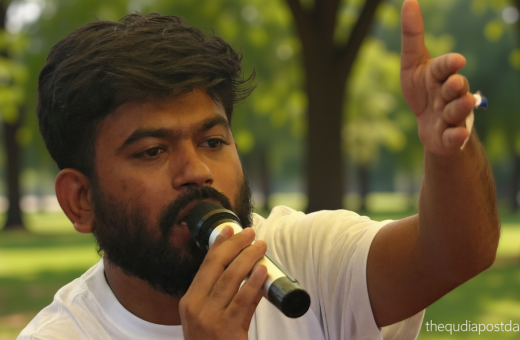
Meanwhile, the India Youth-led Cockroach movement has maintained its momentum, with supporters gathering at Jantar Mantar to demand accountability from the government. The protest, which began as a satirical initiative, has evolved into a nationwide campaign addressing systemic issues such as exam leaks, unemployment, and governance failures. Activists have cited Wangchuk’s case as a symbol of the broader struggle for justice and transparency, linking his hospital transfer to the movement’s key demands. “This victory is not just for Sonam but for every citizen who fights for their rights,” said Abhijeet Dipke, founder of the Cockroach Janta Party, during a recent rally.
The movement’s resilience has been tested by police actions, including the use of tear gas and baton charges to disperse crowds. Video footage of these confrontations has circulated widely on social media, showcasing both the physical and emotional toll on protesters. Despite these challenges, the group remains committed to its cause, with plans to escalate pressure on Education Minister Dharmendra Pradhan. The ongoing sit-in at Jantar Mantar has become a rallying point for public solidarity, drawing attention to the interconnected issues of healthcare, education, and political accountability that define the current social landscape.
Public Reaction and Broader Implications
The Delhi High Court’s ruling has been met with widespread approval, particularly among those who have followed the movement closely. Social media platforms have seen a surge in positive reactions, with many praising the court for prioritizing medical necessity over bureaucratic inertia. The shift to Medanta is seen as a testament to the power of legal advocacy in shaping public policy and healthcare outcomes. For Wangchuk’s supporters, the decision represents a significant step forward in their efforts to secure justice for the activist and his family.
Analysts have noted that this case could influence future rulings on similar issues, setting a precedent for the transfer of patients between public and private institutions. The court’s emphasis on the need for continuous monitoring highlights the growing recognition of the importance of tailored healthcare solutions. As the movement gains traction, the interplay between legal decisions and public activism is expected to deepen, with Wangchuk’s case serving as a catalyst for further reforms. His health remains a focal point, with advocates urging continued attention to ensure his well-being and the movement’s sustainability.
“The Delhi High Court’s decision to shift Sonam Wangchuk to Medanta Hospital is a landmark moment for our cause,” said a spokesperson for the India Youth-led Cockroach movement. “It demonstrates that even in the face of administrative hurdles, justice can be achieved through persistent advocacy.” The statement underscores the movement’s belief in the judiciary’s role as a guardian of individual rights and public interest. As the activist’s health improves, the focus is likely to shift toward broader demands, including systemic changes in healthcare access and government accountability.
With the hospital transfer now approved, the next phase of the campaign will center on maintaining public pressure and ensuring the implementation of the court’s order. Gitanjali Angmo has reiterated her gratitude to the Delhi High Court, calling the decision a victory for transparency and individual care. The case has sparked conversations about the intersection of environmental activism and healthcare rights, emphasizing the need for institutions to support rather than hinder social causes. As the movement continues to evolve, the shift to Medanta serves as a reminder of the power of legal intervention in addressing complex societal issues.