Sonam Wangchuk health update: Safdarjung Hospital says activist refused IV fluids, ORS; blood sugar at 78 mg/dl
Sonam Wangchuk Health Update: Hospital Reports Dehydration and Blood Sugar Levels Theindiapostdaily.com – A recent health update on Sonam Wangchuk, a prominent activist associated with the CJP-led protest, has revealed…
Sonam Wangchuk Health Update: Hospital Reports Dehydration and Blood Sugar Levels
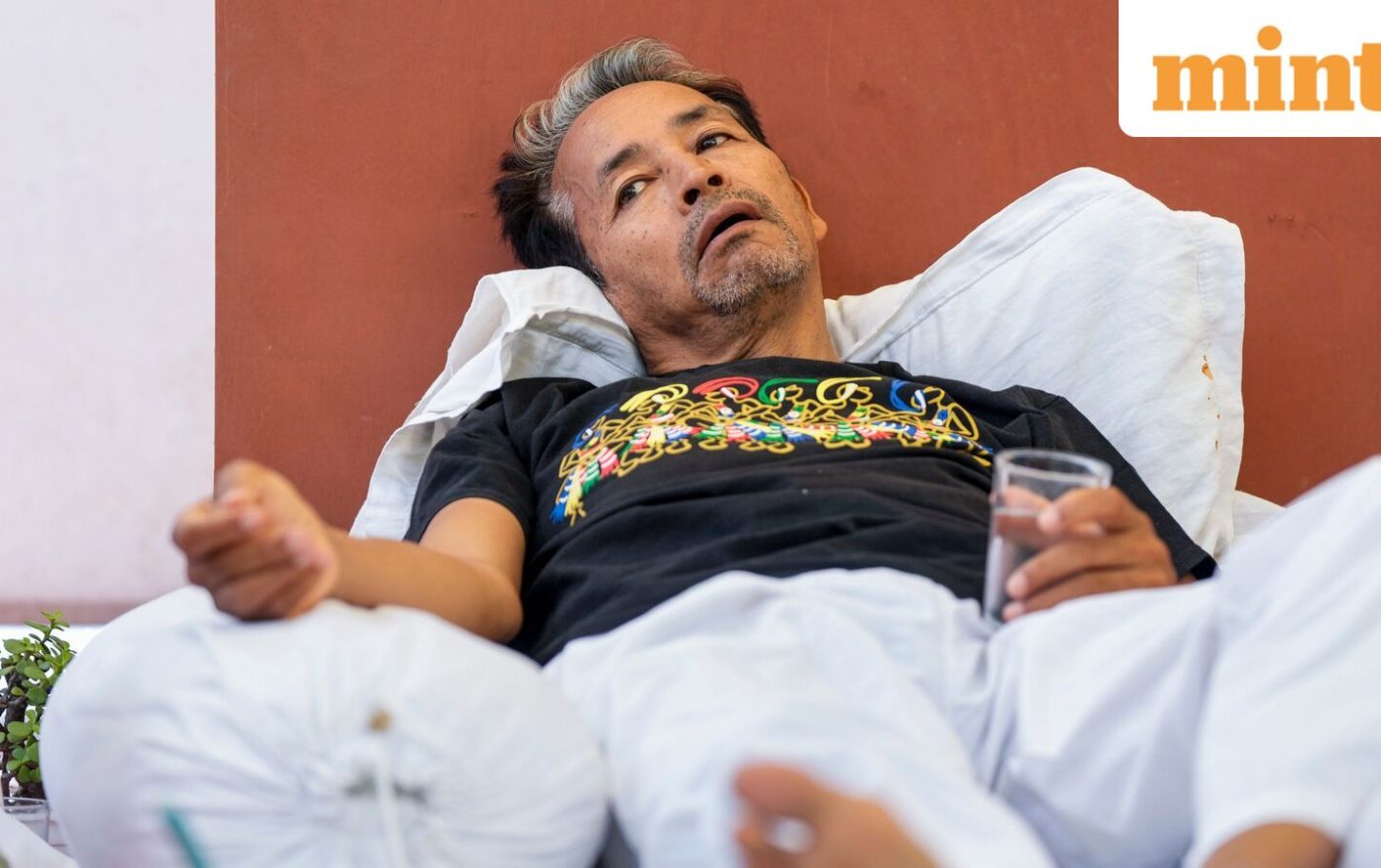
Theindiapostdaily.com – A recent health update on Sonam Wangchuk, a prominent activist associated with the CJP-led protest, has revealed critical details about his condition while under care at Safdarjung Hospital. The hospital confirmed that Wangchuk, who had been fasting for 20 days, refused intravenous fluids and oral rehydration solutions during his admission. His blood sugar level was recorded at 78 mg/dl, raising concerns about his metabolic state. While he remained alert, signs of dehydration were observed, prompting medical professionals to monitor his vitals closely.
Medical Details and Treatment Refusals
According to Safdarjung Hospital officials, Wangchuk was admitted at 7:40 am on July 18, 2026, after being transferred by Delhi Police. His condition had reportedly deteriorated by the 21st day of the ongoing hunger strike, which began on June 28. Doctors noted compensated acidosis and decreased serum potassium levels, with urinary ketones increasing from 1+ to 3+ by 1:00 pm on the day of admission. Despite these findings, Wangchuk declined medical interventions, including oral rehydration solutions and medication, highlighting his commitment to the protest.
His wife, Gitanjali J. Angmo, played a key role in the admission process, urging the hospital to maintain transparency and grant her husband’s autonomy. She emphasized the family’s concern over the lack of clear communication and insisted on copies of all medical reports. In a letter to the hospital’s medical superintendent, Angmo stated that Sonam Wangchuk was “absolutely fine” and expressed confidence in his ability to continue the hunger strike. This sentiment, however, contrasted with the medical team’s observations of his physical decline.
Protest Context and Health Implications
The hunger strike, part of the broader CJP movement, has centered on alleged irregularities in the NEET exams and their connection to student deaths. Sonam Wangchuk’s participation in the protest has drawn attention to the health risks faced by activists during prolonged fasts. His current condition, with blood sugar levels at 78 mg/dl, underscores the challenges of maintaining nutritional balance while refusing food and fluids. The activist’s decision to persist with the strike, despite the medical warnings, reflects his resolve to highlight the issues he and his group believe are critical.
Medical professionals have advised that Wangchuk’s refusal of treatment could exacerbate his condition. However, the activist and his family have remained steadfast, with Angmo asserting that the hospital’s approach lacked clarity. She requested that no interventions be administered without her consent, a stance that has sparked debate about the balance between patient autonomy and medical necessity. Despite this, the hospital has continued to monitor his progress, ensuring his condition is documented and assessed regularly.
On Friday, Wangchuk reaffirmed his determination to continue the protest, stating that he had “lost 20 per cent of my body” during the campaign. His health update has become a focal point for supporters, who argue that his condition highlights the broader implications of the hunger strike. The NEET exams and the associated student deaths have been central to the CJP’s demands, and Wangchuk’s plight has intensified public interest in the issue. His hospitalization has also brought attention to the role of Delhi Police in facilitating his transfer and the impact of sustained protest on individual health.
Public Reaction and Future Plans
As the health update on Sonam Wangchuk spreads, reactions from the public and media have grown more intense. Many view his condition as a symbol of the movement’s cause, with his refusal of medical treatment becoming a point of contention. The activist’s family remains optimistic about his recovery, insisting that he will continue to participate in the planned Parliament march on July 20. This event is expected to draw a significant number of protesters, further amplifying the visibility of the CJP’s demands.
Experts have called for a balanced approach, emphasizing that while patient autonomy is important, timely medical intervention is crucial. The health update on Sonam Wangchuk has prompted discussions about the long-term effects of hunger strikes on the human body and the need for support systems to monitor such cases. Despite the challenges, the activist’s resolve underscores the strength of the CJP movement, with his condition serving as a rallying point for continued advocacy.