Sonam Wangchuk announces hunger strike from Sunday amid CJP protest at Jantar Mantar
Sonam Wangchuk Announces Hunger Strike Amid CJP Protest at Jantar Mantar Theindiapostdaily.com – On June 25, activist Sonam Wangchuk officially declared his intention to commence an indefinite hunger strike beginning…
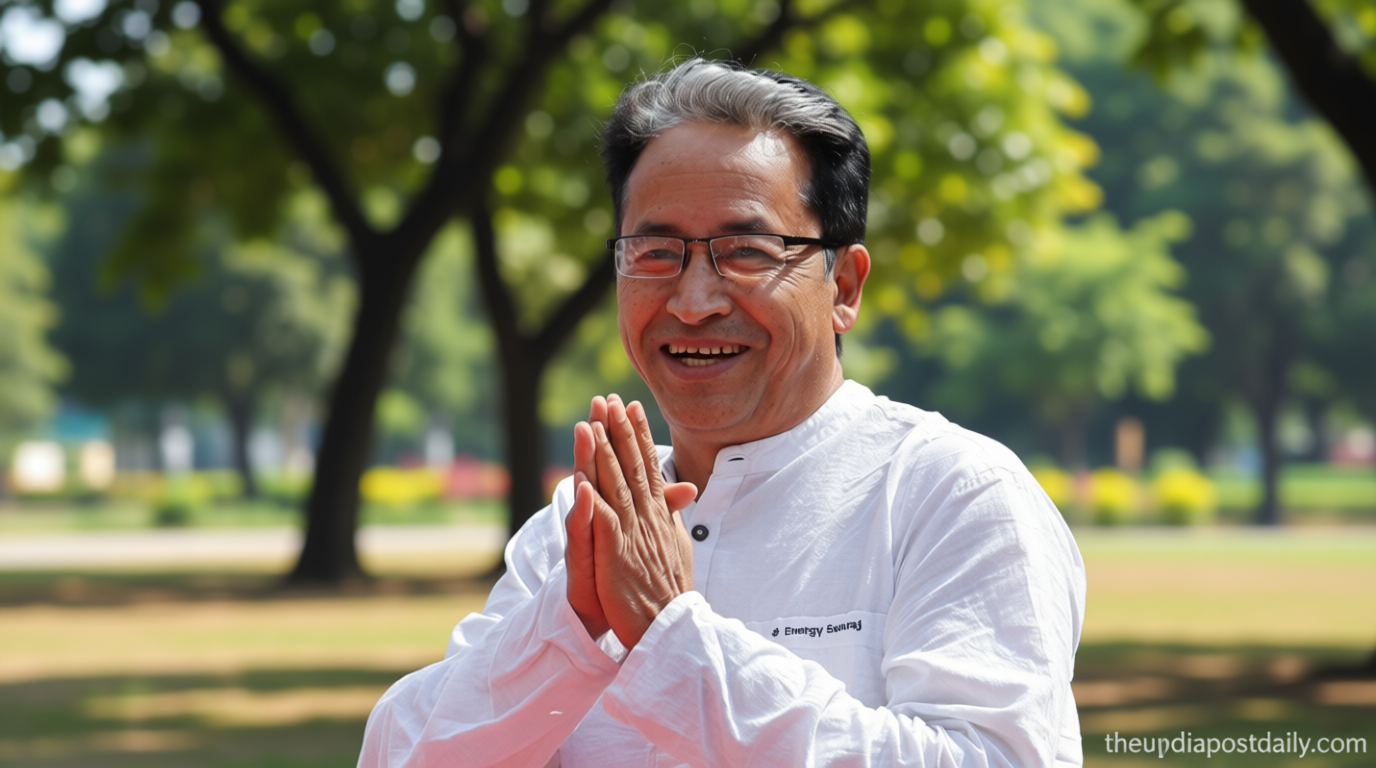
Sonam Wangchuk Announces Hunger Strike Amid CJP Protest at Jantar Mantar
Theindiapostdaily.com – On June 25, activist Sonam Wangchuk officially declared his intention to commence an indefinite hunger strike beginning June 28, in response to the unresolved issues surrounding the NEET paper leak. In a video message shared on X, he stated that he would wait for a reply from authorities until June 27, and initiate the strike the following day if the government failed to address the concerns. This decision underscores the growing dissatisfaction within the Ladakh community, particularly regarding the transparency of the NEET exam and its implications for educational fairness.
Context of the NEET Leak Controversy
The NEET (National Eligibility cum Entrance Test) paper leak controversy has sparked widespread protests, with allegations of exam tampering affecting millions of students. Sonam Wangchuk, a prominent figure in Ladakh’s political and social movements, has been at the forefront of demanding accountability. His hunger strike, set to begin at Jantar Mantar in Delhi, aims to amplify the voices of those affected and pressure the government for a swift resolution. The protest is part of a broader campaign led by the Cockroach Janata Party (CJP), which has been advocating for justice and transparency in the NEET affair.
Wangchuk’s call for a hunger strike follows a series of demonstrations in Delhi, where activists and students have gathered to express their grievances. The CJP, known for its grassroots activism, has organized rallies demanding an investigation into the leak and a reevaluation of the exam’s impact on aspirants. Wangchuk emphasized that the strike would serve as a symbolic gesture, highlighting the urgency of the situation and the need for immediate action. He also mentioned his recent trip to Geneva, where he discussed the issue with international supporters, underscoring its national and global significance.
Wangchuk’s Stance on Educational Reforms
As a leader in the movement for educational equity, Sonam Wangchuk has consistently advocated for the inclusion of local communities in decision-making processes. He argued that the NEET exam, while a crucial gateway for medical and engineering admissions, has not adequately considered the unique challenges faced by Ladakh’s students. His hunger strike is a culmination of long-standing demands for reforms that ensure fair access to quality education and protect the region’s cultural identity.
Wangchuk’s message in the video highlighted the dual focus of his protest: addressing the NEET leak and safeguarding Ladakh’s future. He stated that unless the government commits to resolving these issues, the strike would continue indefinitely. This stance aligns with his previous efforts to push for educational accountability, including public campaigns and dialogues with policymakers. By choosing Jantar Mantar as the protest venue, he aimed to draw attention to the broader implications of the NEET controversy on national education standards.
Meanwhile, Congress leader Rahul Gandhi joined the fray, condemning Education Minister Dharmendra Pradhan for labeling student protesters as “terrorists.” Gandhi argued that Pradhan’s remarks reflected the Modi government’s tendency to undermine dissent. He called for an apology and urged the minister to resign, emphasizing the need for leaders to engage with citizens rather than dismiss their concerns. This criticism adds another layer to the political discourse surrounding the hunger strike, linking it to larger debates about governance and student rights.
“Intoxicated by the arrogance of power, the Modi government has reached a point where the Education Minister labels students demanding their rights, fair examinations, and a secure future as ‘terrorists,’” Gandhi wrote in a Hindi X post. He further accused the minister of shifting blame onto protesters for issues like paper leaks, student deaths, and the erosion of young people’s opportunities. The statement resonated with many who see the NEET controversy as a microcosm of broader systemic failures in education policy.
Public reaction to Wangchuk’s hunger strike has been mixed but largely supportive. Many citizens in Ladakh and beyond have praised his courage in taking a stand for educational justice, while others have called for more concrete measures to address the root causes of the problem. The protest has also drawn attention to the socio-economic disparities faced by students in remote regions, who may not have the same access to resources as their urban counterparts. As the hunger strike approaches, the pressure on the government is intensifying, with demands for transparency, accountability, and reform echoing across social media and news platforms.