‘Smallest trader receives…’: What Piyush Goyal said as he rejects conditional MFN treatment at G20 meet
India has underlined that the World Trade Organisation’s Most-Favoured-Nation framework should remain an equal-treatment principle rather than becoming
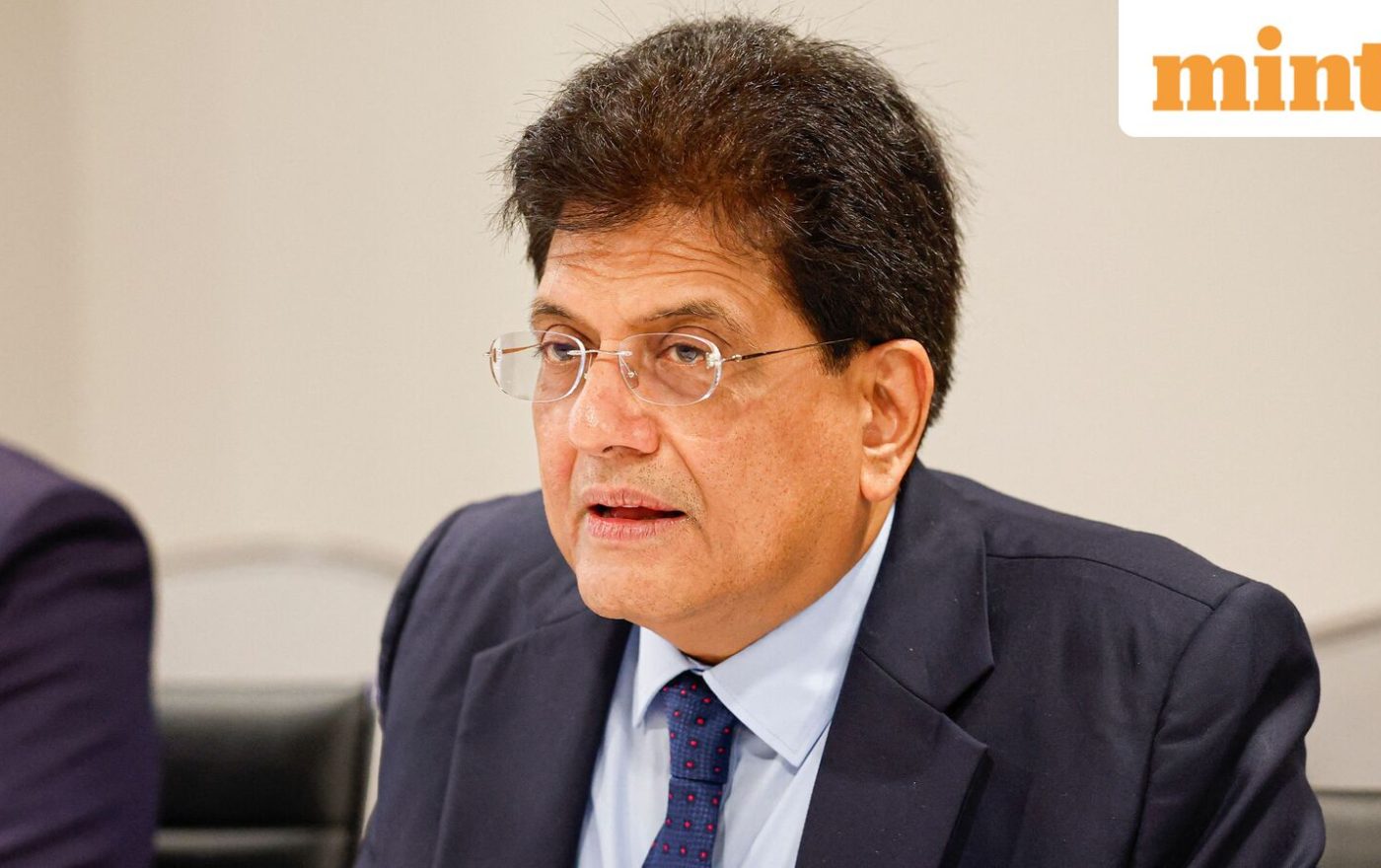
India Rejects Conditional Approach to MFN Rules at G20 Trade Ministers’ Meeting
Theindiapostdaily.com – India has underlined that the World Trade Organisation’s Most-Favoured-Nation framework should remain an equal-treatment principle rather than becoming conditional on commitments backed by only a limited group of members. Union Commerce and Industry Minister Piyush Goyal made the point during the G20 Trade Ministers’ Meeting, where delegates discussed trade capacity, supply chains, labour standards and the multilateral trading system.
The meeting took place in Milwaukee, Wisconsin, with Goyal representing India in discussions on four main areas: structural excess capacity and production, the MFN principle, forced labour in global supply chains, and the concluding session.
Equal terms for traders of every size
Goyal said the MFN principle is central to a trading system intended to offer predictable and non-discriminatory terms to participants. In practical terms, MFN treatment means that a trade advantage extended to one WTO member should generally be available to other members as well, subject to the organisation’s rules and recognised exceptions.
“At the G20 Trade Ministers’ Meeting Session on the Most-Favoured-Nation Principle, I stressed that the MFN treatment guarantees that the smallest trader receives the same terms as the largest,” Goyal said.
India’s position is that this protection should not be tied to obligations selected outside a broad multilateral consensus. Goyal reiterated that India cannot support an arrangement in which access to MFN treatment depends on commitments chosen by a subset of WTO members.
“Also reiterated that as we strengthen the multilateral trading system, preserving this balance can reinforce confidence, predictability & inclusiveness,” he added.
The issue carries particular importance for developing economies and smaller exporters, which can be more vulnerable when market access or regulatory conditions vary from one trading partner to another. India’s intervention focused on retaining the universal character of the WTO framework while strengthening confidence in rules-based commerce.
Call for WTO-consistent action on excess capacity
During the final day of the G20 discussions, Goyal also addressed concerns over structural excess capacity and production. He urged countries to deal with trade distortions through tools that are consistent with WTO rules rather than through unilateral responses.
His remarks drew attention to the effect that certain forms of support can have on international markets. Where producers receive trade-distorting assistance, excess output can be sold abroad at unusually low prices, creating pressure for competitors in importing countries.
“Trade-distorting support in some economies can lead to dumping and predatory pricing,” Goyal said in a statement.
He argued that established WTO mechanisms already provide routes for addressing such disputes. Anti-dumping duties and countervailing duties can be used when the relevant evidence supports their application, and such measures are subject to judicial review. This approach, India said, helps ensure that trade remedies are based on defined standards rather than political discretion.
Goyal distinguished between industrial capacity itself and the conditions that may distort competition. Capacity, he said, is not inherently a problem. Concerns arise when production becomes geographically concentrated because of opaque subsidies or other forms of support that alter market conditions.
Supply-chain diversification and developing-country concerns
The minister also spoke about efforts by countries and companies to diversify manufacturing and supply networks. Diversification can be a legitimate economic objective, particularly when businesses seek resilient sourcing arrangements. However, Goyal warned that it should not become a justification for policies that fall outside agreed WTO disciplines.
“Diversification of production and supply chains is a legitimate objective, but cannot be used as a pretext for measures outside WTO rules or for shifting the burden of adjustment onto developing countries,” he added.
The statement reflects India’s broader emphasis on ensuring that changes in global production patterns do not impose disproportionate costs on developing nations. As governments reassess supply chains, trade policies can influence where investment, manufacturing and export opportunities are directed. India’s position at the meeting stressed that these shifts should remain anchored in multilateral rules.
For businesses, the debate is relevant because trade rules affect the stability of market access, the use of tariffs and trade remedies, and the predictability of supply-chain decisions. A rules-based process can offer exporters clearer expectations when countries respond to subsidised imports, unusually low pricing or changes in production capacity.
Bilateral meetings alongside the G20 session
India described its participation in the G20 discussions as constructive. Alongside the multilateral sessions, Goyal held bilateral meetings with trade ministers from several countries, including Australia, Saudi Arabia, France, South Korea and Canada.
Those engagements came as the G20 meeting examined how major economies can address trade frictions while maintaining an open and inclusive global trading environment. India’s interventions placed particular weight on equal treatment under MFN rules, the use of WTO-compliant remedies, and the need to avoid placing adjustment pressures on developing economies.
The discussions in Milwaukee highlighted continuing differences over how governments should respond to excess production, subsidy-related distortions and changing supply chains. India’s message was that the answer should remain grounded in agreed multilateral disciplines, with the same basic trading protections available to participants regardless of their economic size.
Related Reading
Frequently Asked Questions
What is Smallest trader receives?
Smallest trader receives is the main topic of this guide. The article explains the context, practical details, and next steps readers should understand.
Why does Smallest trader receives matter?
Smallest trader receives matters because readers are looking for a useful answer, not just a short summary. Good content should match search intent and help them decide what to do next.