Shiv Sena UBT crisis: Uddhav offers to step down as chief; will his party and Congress merge? Ex Maharashtra CM answers
Amid the escalating Shiv Sena UBT crisis , Uddhav Thackeray, the party’s leader, has
Shiv Sena UBT Crisis: Uddhav Thackeray Steps Down as Chief; Party Considers Merge with Congress
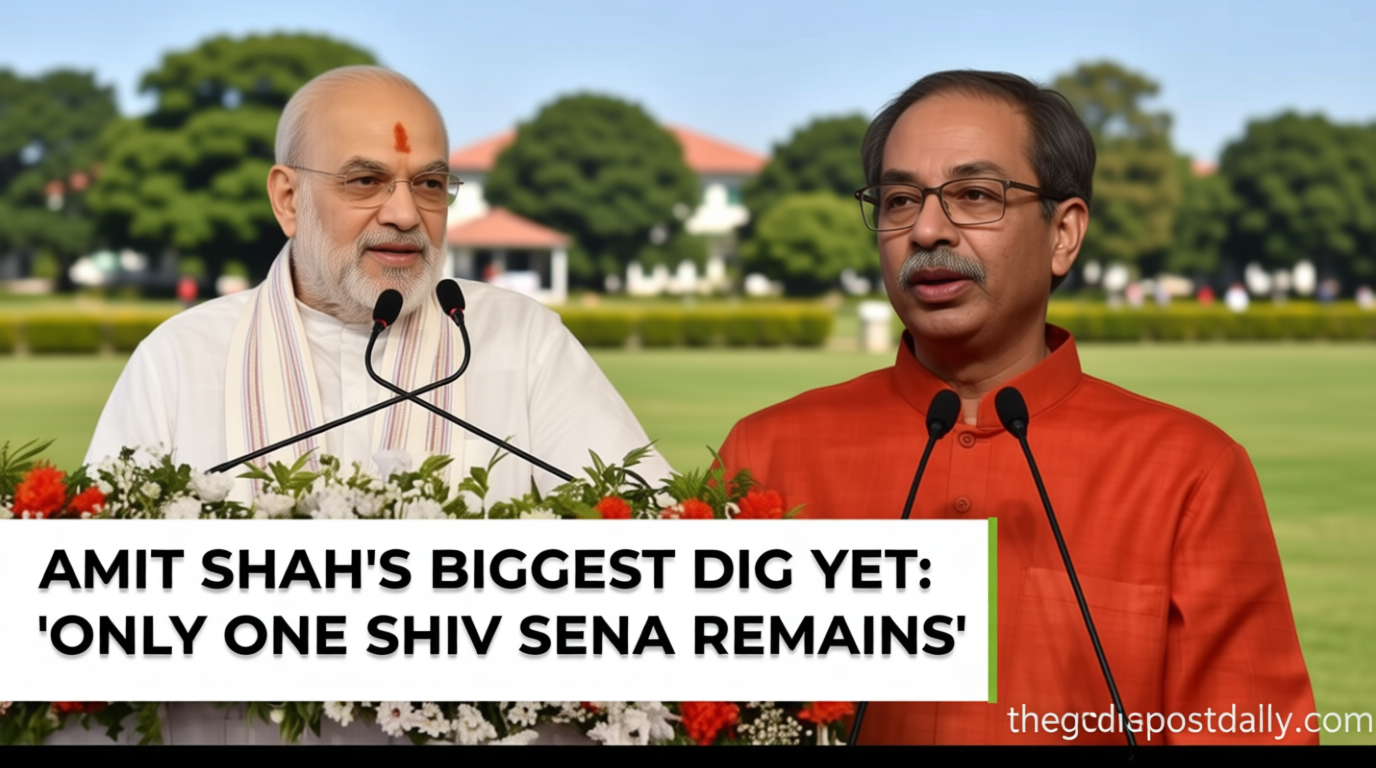
Theindiapostdaily.com – Amid the escalating Shiv Sena UBT crisis, Uddhav Thackeray, the party’s leader, has proposed his resignation from the top position. This move comes as tensions rise within the organization, with some members suggesting a potential merger with the Congress party. Thackeray, however, remains resolute, vowing to protect the party’s ideological core from being compromised by external forces. The Shiv Sena UBT crisis has intensified following recent internal disputes, raising questions about the party’s future direction and its ability to maintain independence amid political pressures.
Foundation Day Statements and Internal Divisions
During the recent celebration of Shiv Sena’s 60th foundation day, Thackeray took the opportunity to address the growing Shiv Sena UBT crisis. He criticized the Bharatiya Janata Party (BJP) and Maharashtra Deputy Chief Minister Eknath Shinde, accusing them of undermining democratic norms through strategic maneuvering. Thackeray argued that the Shiv Sena UBT crisis is not just about leadership changes but also reflects a broader ideological struggle within the party. “People might have thought I would see a broken Shiv Sainik, but none of them is like that,” he remarked, highlighting the party’s resilience. His comments underscored the belief that the Shiv Sena UBT crisis could be resolved through internal unity rather than external alliances.
“These four MPs and all the MLAs have come today. The suffering of everyone is visible today. Judging by elections is meaningless. They say Shiv Sena will merge with Congress. I have been with Shiv Sena since the beginning and have seen it very closely. Now the time has come for Operation Lotus,”
Thackeray’s reference to “Operation Lotus” signals a strategic plan to consolidate party support and address dissent. The Shiv Sena UBT crisis has been fueled by the defection of six of the nine Shiv Sena (UBT) Lok Sabha MPs, who skipped a parliamentary meeting in New Delhi. The rebels—Nagesh Aashtikar, Sanjay Jadhav, Sanjay Deshmukh, Sanjay Dina Patil, Omprakash Rajenimbalkar, and Bhausaheb Wakchaure—have been accused of prioritizing personal political gains over party solidarity. Thackeray lamented the loss of these members, who he believes have been influenced by the BJP’s efforts to destabilize Shiv Sena and bring it into the fold of Congress.
Political Strategy and the Risk of Merger
The Shiv Sena UBT crisis has reignited debates about the party’s long-term strategy. While Thackeray remains committed to maintaining the party’s independence, some members have argued that a merger with Congress could provide a stronger opposition platform in Maharashtra. This scenario is reminiscent of past alliances, though Thackeray insists that the Shiv Sena UBT crisis is unique in its intensity and implications for the party’s identity. He defended the Shiv Sena’s founding principles, stating that the party’s purpose is to champion the rights of Marathi people and uphold Hindutva, not to merge with any other faction.
“If I didn’t move out to meet party workers and travel across the state, how did all of them win elections. During the (2024) Lok Sabha elections, I held seven to ten meetings in every constituency. They (rebels) became MPs because of the faith of Shiv Sainiks and voters,”
Thackeray’s argument hinges on the idea that the Shiv Sena UBT crisis is a result of his efforts to connect with grassroots supporters. The defection of key members, he claims, stems from a lack of direct engagement and a shift in loyalty towards the Congress. This perspective has sparked a fierce debate within the party, with some members seeing the merger as a pragmatic step for political survival, while others view it as a betrayal of Shiv Sena’s legacy. The Shiv Sena UBT crisis thus serves as a microcosm of the larger struggle between ideological purity and political pragmatism in Maharashtra’s political landscape.
The Shiv Sena UBT crisis has also raised concerns about the BJP’s influence over state politics. Thackeray warned that the party’s tactics of inducing defections could lead to a “one party, no election” system, threatening the democratic fabric of the state. He emphasized that the Shiv Sena UBT crisis is not merely an internal conflict but a reflection of the broader power dynamics at play. As the party faces its second split in four years, the challenge lies in balancing unity with the need for strategic alliances. The outcome of this Shiv Sena UBT crisis will likely shape the future of Maharashtra’s political alliances and the role of regional parties in the state’s governance.