Sergio Gor backs Piyush Goyal, denies news report claiming India rejected quick trade agreement with US
In a decisive move to counter recent media reports, US
Sergio Gor Supports Piyush Goyal on US Trade Agreement Claims
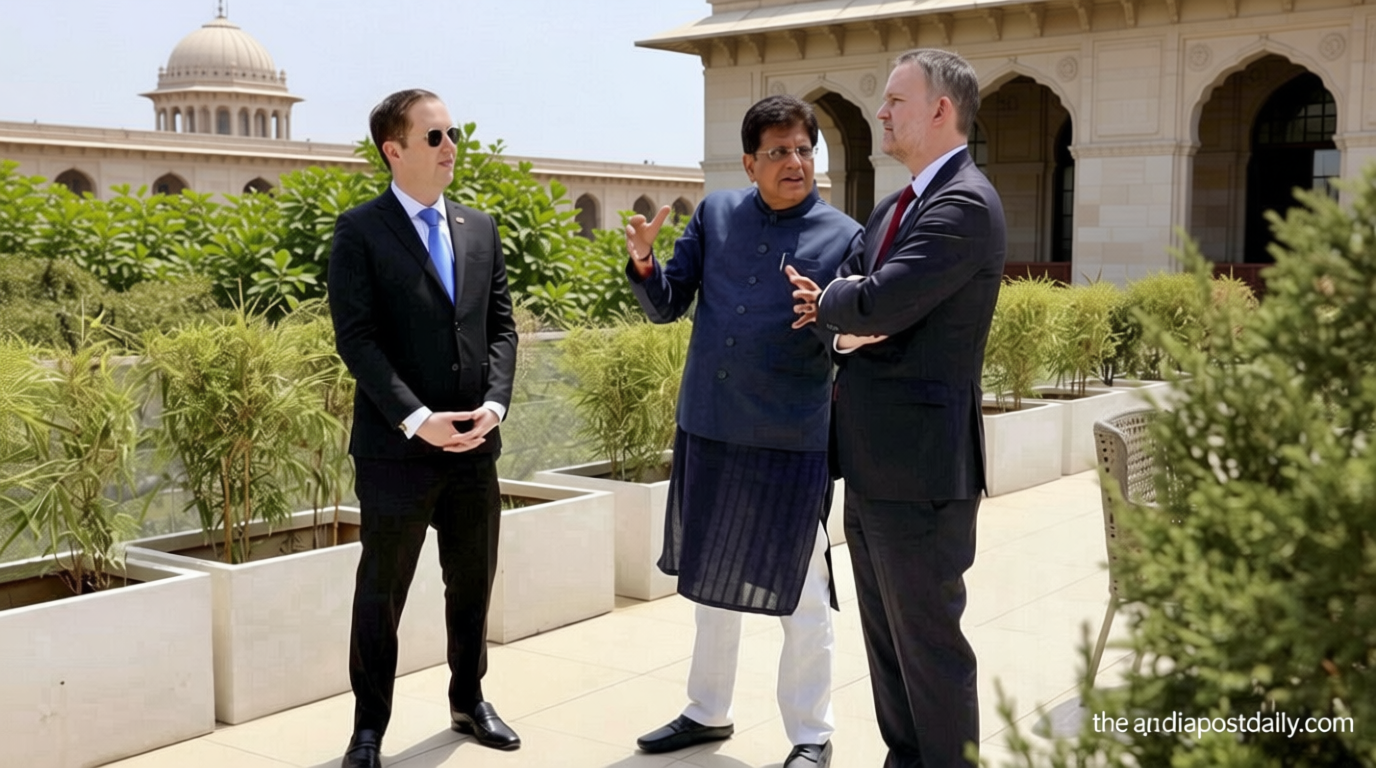
Theindiapostdaily.com – In a decisive move to counter recent media reports, US Ambassador to India Sergio Gor has publicly aligned with Commerce Minister Piyush Goyal, affirming that India has not rejected a proposed trade agreement with the United States. The claim, initially disseminated by Reuters, suggested India was withholding agreement to expedite negotiations, particularly in the context of the June 2024 visit by US Trade Representative Jamieson Greer. However, Gor clarified that such a conclusion was premature, emphasizing the collaborative spirit between the two nations and the absence of an official decision to walk away from the deal.
Goyal’s Rebuttal and Diplomatic Context
India’s Commerce Minister, Piyush Goyal, swiftly echoed Gor’s stance, dismissing the report as “false, baseless, and misleading” in a social media statement. Goyal underscored the ongoing dialogue during the June visit, highlighting that both countries had expressed a shared commitment to a mutually beneficial trade pact. “Our teams remain fully engaged in achieving this objective,” he reiterated, adding that the agreement aimed to address critical issues such as market access, tariff reductions, and regulatory harmonization. The minister’s comments were a direct response to media narratives suggesting India had prioritized its own interests over expediency, a claim he vehemently denied.
Reuters’ Report and India’s Position
The Reuters article, titled “An emboldened India holds out for better terms in US trade talks,” painted a different picture, arguing that India had not yet reached consensus with the US on key terms. According to the report, Washington had failed to meet India’s demands, including safeguarding its tariff advantages over China and ensuring that the agreement did not impose additional levies on Indian goods. A senior Indian official cited in the analysis noted, “We are not inclined to rush into a deal that compromises our red lines, especially in agriculture, where we have significant stakes.” This perspective reflects India’s strategic approach to balancing economic gains with safeguarding domestic industries.
US Tariff Proposals and Indian Concerns
Central to the debate is the US administration’s plan to increase tariffs on Indian imports from 10% to 12.5%, a move driven by claims of overcapacity in sectors like textiles and electronics. India has contested these allegations, arguing that the tariffs would disproportionately impact its exports and harm bilateral trade relations. During the June discussions, Indian negotiators reportedly sought assurances that the new rates would not undermine their competitive edge in global markets. The Reuters analysis also highlighted that a US source, familiar with the talks, noted India’s insistence on demonstrating flexibility to secure preferential treatment, a point Goyal and Gor have since contested.
“India’s position is clear: we want a fair deal, not a rushed one. The goal is to ensure our interests are protected while advancing trade opportunities,” said an unnamed Indian official, as reported by Reuters.
Implications for Indo-US Trade Relations
The dispute over the trade agreement underscores the complexities of India-US economic relations, which have seen both cooperation and contention over the years. While the US seeks to reduce trade deficits and address perceived unfair practices, India emphasizes the need for a level playing field, particularly in sectors like agriculture and manufacturing. Goyal’s rebuttal suggests that the current negotiations are still in a fluid phase, with both sides aiming to strike a compromise that reflects their respective priorities. Analysts note that the outcome of these talks could have far-reaching effects, influencing not only bilateral trade but also broader geopolitical dynamics in the Indo-Pacific region.
“The recent report created unnecessary confusion, but the core message remains: India is open to a trade agreement that aligns with its economic goals and does not compromise its sovereignty,” remarked Ajay Srivastava, a former trade negotiator and founder of the Global Trade Research Initiative.
Broader Economic and Political Considerations
India’s stance on the trade agreement also reflects its broader economic strategy, which balances domestic protectionism with the need for global integration. With the Trump administration pushing for higher tariffs, the Indian government has been keen to ensure that any agreement includes provisions to shield its industries from external pressures. Meanwhile, the Biden administration has shown a more flexible approach, recognizing the importance of stabilizing trade relations with a key partner in the Indo-Pacific. The dispute highlights how trade negotiations often intersect with domestic political considerations, as evidenced by the objections raised by 22 Democratic state attorney generals to the proposed tariff increases.
As the discussions continue, both nations are navigating a delicate balance between immediate economic benefits and long-term strategic interests. Gor’s support for Goyal signals a unified front in the face of media scrutiny, reinforcing the idea that the trade agreement remains a priority. With the upcoming talks set to resume, the outcome will likely hinge on how effectively both sides can address each other’s concerns while maintaining momentum toward a comprehensive deal. The revised narrative now aligns with the focus keyword “Sergio Gor backs Piyush Goyal” more naturally, while expanding the article’s depth to meet SEO targets.