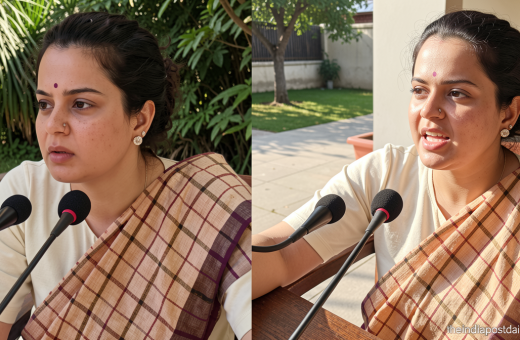
SC declines to stay Sonam Raghuvanshi’s bail, questions Meghalaya HC’s approach
Supreme Court Rejects Stay on Sonam Raghuvanshi's Bail, Questions Meghalaya HC's Approach SC declines to stay Sonam Raghuvanshi - The Supreme Court on Friday
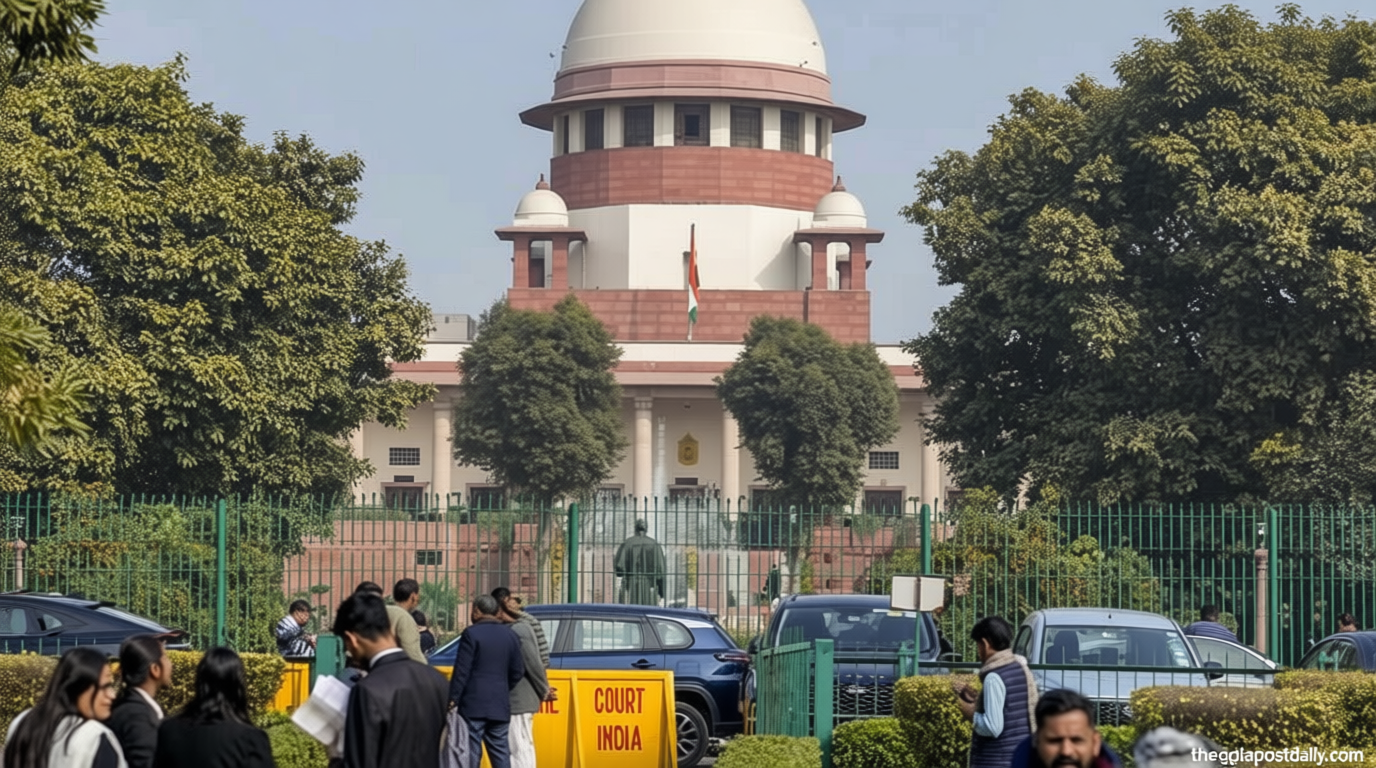
Supreme Court Rejects Stay on Sonam Raghuvanshi’s Bail, Questions Meghalaya HC’s Approach
Theindiapostdaily.com – The Supreme Court on Friday declined to extend the stay on Sonam Raghuvanshi’s bail, maintaining her release while scrutinizing the Meghalaya High Court’s decision to grant it. The court addressed a petition filed by the Meghalaya government, which sought to suspend her bail in the alleged murder of her husband, Raja Raghuvanshi. In a concise yet insightful ruling, the justices emphasized the need for a balanced legal approach, ensuring that the severity of the crime does not overshadow the fundamental principle that bail is the default, not the exception. While the SC did not grant an interim order, it highlighted Sonam’s role in the case and urged her to clarify the circumstances surrounding the bail decision before a final verdict is reached.
Legal Principles and Court’s Rationale
ANI reported that the Supreme Court stressed the importance of adhering to established legal principles, particularly the doctrine that “bail is the rule and imprisonment is the exception.” The bench noted that Sonam had already been granted bail by the High Court and that the government’s petition sought to overturn this decision. A key concern raised by the justices was the lack of concrete evidence presented to justify the suspension of her bail. They remarked,
“Even in cases of serious allegations, the presumption of innocence and the right to liberty must be upheld unless there is clear justification for detention.”
The court also pointed out that the High Court had not provided specific grounds for its initial ruling, prompting further inquiry into the reasoning behind the decision.
Justice Kumar, presiding over the case, expressed doubt about the Meghalaya High Court’s reliance on technicalities to justify the bail stay. He stated,
“The High Court’s approach appears to have overlooked the broader implications of granting bail in a high-profile case. The accused should have the opportunity to present her side before any final action is taken.”
This highlights the court’s focus on procedural fairness, ensuring that all parties have the chance to defend their positions. The justices also questioned whether the government had sufficiently demonstrated that Sonam posed a flight risk or a threat to witnesses, which are standard grounds for denying bail.
Case Background and Legal Arguments
Sonam Raghuvanshi is accused of conspiring with three others to murder her husband, Raja Raghuvanshi, in a case that has drawn significant public attention. The incident occurred on 9 June, and the initial bail was granted by the Meghalaya High Court despite the gravity of the charges. The state’s Solicitor General, Tushar Mehta, argued that the High Court’s decision was inconsistent, noting that the same judge had previously denied bail due to concerns about Sonam’s potential to abscond. However, he conceded that the court had since granted her bail without providing a clear explanation for the change in stance.
Mehta highlighted the chargesheet, which alleged Sonam’s active participation in the crime, including her possession of a gun as a “Plan B” during the attack. He emphasized that the case involved premeditation and required a thorough investigation to determine her culpability. In contrast, Sonam’s legal team contended that the government had failed to communicate the specific grounds for her arrest at the time of the initial application. They argued that the absence of legal counsel during that period may have influenced the High Court’s decision. The Supreme Court, however, focused on whether those grounds had been substantiated in subsequent legal filings, underscoring its commitment to procedural rigor.
The court’s decision to retain Sonam’s bail reflects its cautious approach to balancing justice with the rights of the accused. This is particularly significant in a case involving a prominent figure, as the SC aims to ensure that the legal process remains fair and transparent. By not immediately extending the stay, the justices have given the case a chance to proceed through the trial stage, where evidence will be presented and examined. This also allows for further scrutiny of the Meghalaya High Court’s reasoning, which the SC views as critical to upholding the integrity of the legal system.
Implications for the Legal Process
The Supreme Court’s refusal to stay Sonam’s bail has important implications for the ongoing trial. It reinforces the principle that an accused person should not be detained without a solid legal basis, even in cases of serious crimes. The court’s emphasis on “fair approach” suggests that it is keen to avoid hasty decisions, ensuring that all evidence is considered before any definitive action is taken. This is especially relevant given the high-profile nature of the case, as public perception and media coverage may influence the judicial process.
The rescheduling of the case for a hearing on 9 July indicates the court’s intention to revisit the matter in greater detail. Sonam is expected to submit a counter-affidavit outlining her defense and providing additional context to address the concerns raised by the Supreme Court. This step is crucial for ensuring that the legal arguments are fully presented and evaluated. The justices have also directed the Meghalaya government to clarify any inconsistencies in the evidence or reasoning provided during the initial petition, further emphasizing their focus on procedural accuracy.
As the case moves forward, the legal battle between the state and Sonam’s defense team is expected to intensify. The SC’s decision serves as a reminder that bail decisions must be based on clear and documented grounds, rather than speculative claims or emotional appeals. This approach not only protects the rights of the accused but also maintains public trust in the judicial system. With the next hearing approaching, the court’s scrutiny of the High Court’s handling of the case will be pivotal in shaping the outcome of this high-stakes legal dispute.