SBI data leak: This is what India’s largest public sector bank told customers as 3,897 records flagged in cyber incident
State Bank of India has started contacting customers whose details were identified in a suspected cyber incident, while stressing that account balances and
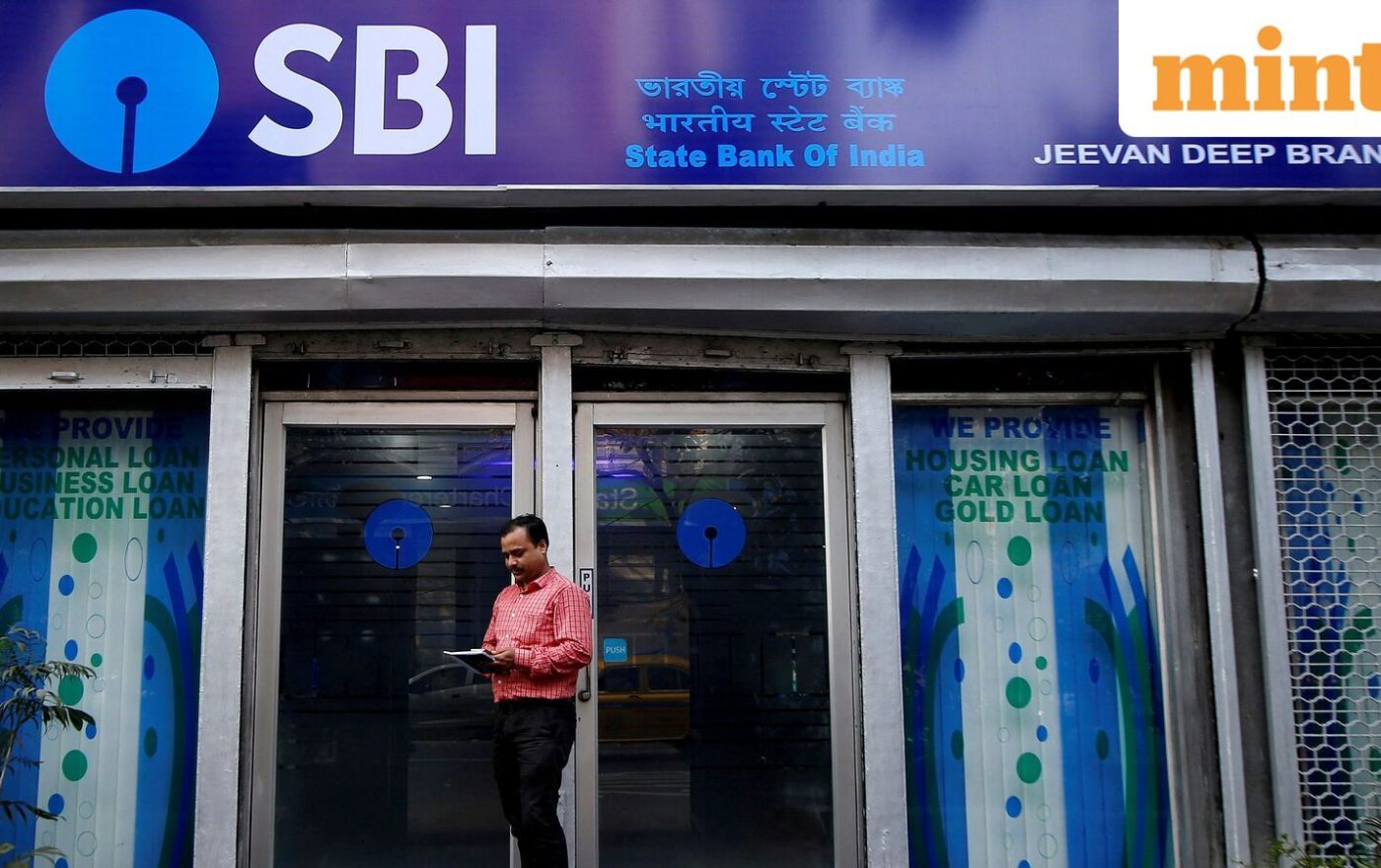
SBI Alerts Affected Customers After Suspected Cyber Exposure
Theindiapostdaily.com – State Bank of India has started contacting customers whose details were identified in a suspected cyber incident, while stressing that account balances and customer funds remain protected. The country’s largest public-sector bank said the outreach was being carried out directly through email and WhatsApp as its investigation continues.
The development follows concerns over customer-related records that were said to have surfaced on the dark web. SBI has activated its incident-response measures and engaged an independent cybersecurity agency approved by the Indian Computer Emergency Response Team, or CERT-In, to examine the matter.
“Further to our earlier post regarding the recent cyber incident, the Bank has individually informed all customers, whose data was identified as being involved, through email and/or WhatsApp,” SBI said in its customer advisory on Friday.
The bank also repeated its assurance that customers’ money has not been put at risk. SBI told account holders that their balances and funds remain safe, even as it works to determine whether any personal information was exposed and how the records may have been obtained.
What the preliminary review found
SBI’s initial assessment covered roughly 3.75 lakh records. Of those, 3,897 were found to contain personally identifiable information. The presence of personal data in those records has prompted the bank to notify the affected customers individually.
The information linked to the records may include names, registered mobile numbers, dates of birth, email addresses and home addresses. The material also included branch-related and customer-identification details, along with metadata connected to loan and lead records.
While such details can be sensitive, their identification in the records does not itself mean that a customer’s bank account was accessed. Nor does it establish that funds were moved, account credentials were obtained, or banking systems were compromised. SBI has said its core operations, financial performance and business continuity have not suffered a material impact from the incident.
How SBI Responded to the Alerts
The bank received alerts on October 16 from its threat-intelligence service provider, the Defence Cyber Agency and CERT-In. SBI then initiated its containment and cyber-incident response procedures.
An external cybersecurity agency empanelled with CERT-In has been brought in to conduct an independent inquiry. The review is expected to assess whether the information is authentic, identify its potential origin and evaluate the possible risks arising from the suspected exposure.
That work remains ongoing. As a result, the full scope of the incident and its implications have not yet been established. Customers should therefore treat any unexpected banking communication with care, including messages that appear to refer to the incident itself.
Why Personal Details Require Extra Caution
Information such as a mobile number, birth date, email address or residential address can be used by fraudsters to make a message or phone call appear more convincing. A caller may claim to represent a bank, refer to personal details, and then attempt to obtain confidential information. Customers should remember that familiarity with personal data does not prove that a caller or message is legitimate.
SBI has advised customers to follow safe digital-banking practices and to remain watchful for suspicious calls, emails and messages.
“Customers are advised to follow safe digital banking practices, never share their OTP, PIN or password with anyone, and remain vigilant against suspicious calls, messages and emails,” the advisory said.
One-time passwords, PINs and passwords should never be disclosed to another person, including someone claiming to be a bank employee. Customers should also be wary of unsolicited links or requests for personal and financial information. A genuine-looking message can still be fraudulent, especially if it creates urgency or asks the recipient to act immediately.
What Customers Can Do
Customers who receive a notification said to be from SBI should first confirm that it is genuine before taking any action. Rather than replying to an unexpected message or using a link included in it, they can contact the bank through its official channels to verify the communication.
It is also sensible to review account activity regularly and to act promptly if anything appears unusual. Any suspected unauthorised transaction, questionable communication or attempted fraud should be reported to the bank through official support channels.
The bank’s notification process is focused on customers whose data was identified in the initial examination. For all account holders, the central message remains the same: SBI says account balances and funds are safe, but caution remains important while the investigation into the suspected exposure continues.
Digital banking depends not only on bank-side security controls but also on customers protecting credentials that can be used to authorise transactions. Avoiding the sharing of OTPs, PINs and passwords remains one of the most important safeguards against fraud, regardless of whether a customer has received a notification related to this incident.
Related Reading
Frequently Asked Questions
What is SBI data leak?
SBI data leak is the main topic of this guide. The article explains the context, practical details, and next steps readers should understand.
Why does SBI data leak matter?
SBI data leak matters because readers are looking for a useful answer, not just a short summary. Good content should match search intent and help them decide what to do next.