Rubber parts of BS-III vehicles may require replacement due to E20 fuel usage, says Nitin Gadkari
Union Road Transport and Highways Minister Nitin Gadkari recently addressed concerns regarding the compatibility of older vehicles with ethanol-blended fuel
Nitin Gadkari: Rubber Parts of BS III Vehicles May Need Replacement With E20 Fuel
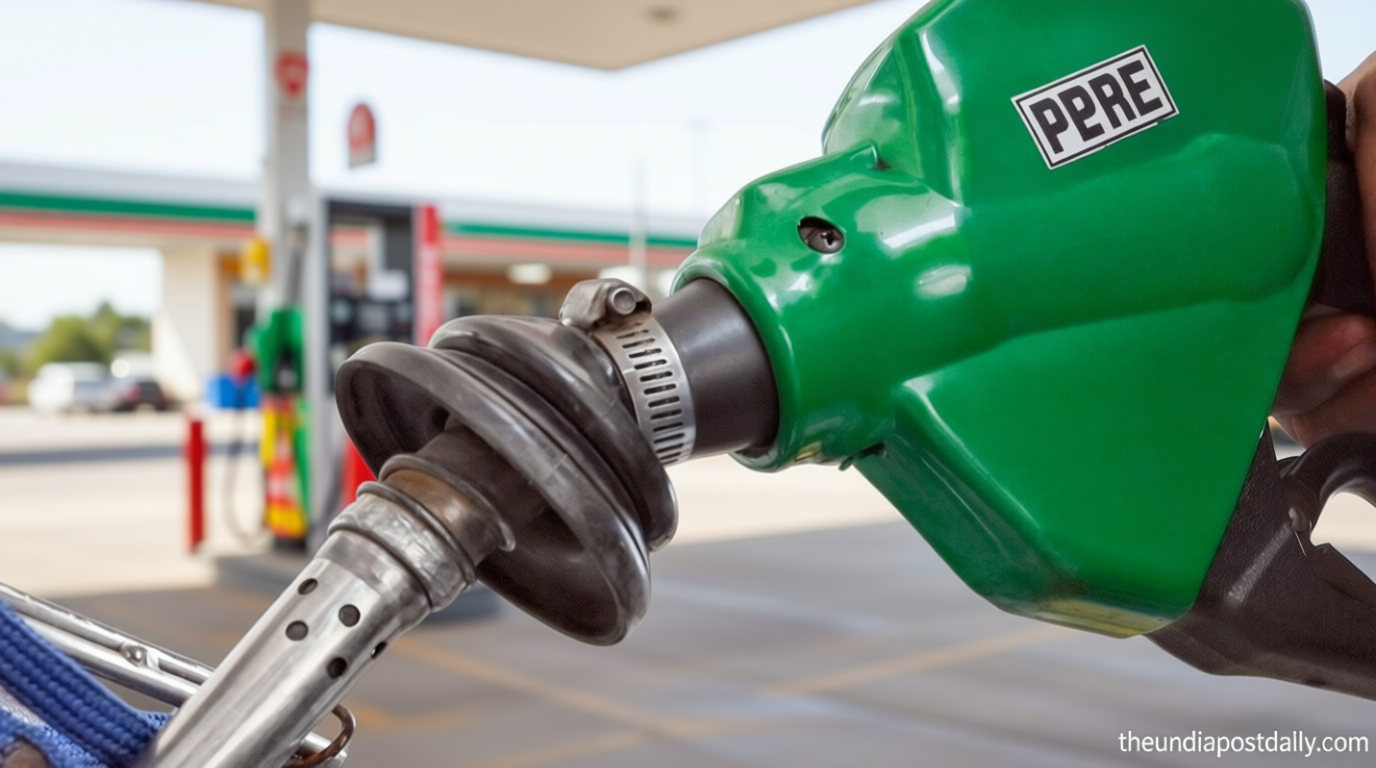
Theindiapostdaily.com – Union Road Transport and Highways Minister Nitin Gadkari recently addressed concerns regarding the compatibility of older vehicles with ethanol-blended fuel. In a written reply to the Rajya Sabha, he confirmed that rubber parts of BS III vehicles may require replacement when operated with E20 fuel. These vehicles, introduced from April 1, 2005, and manufactured before 2016, could experience wear on certain gaskets and rubber components.
Comprehensive Testing Shows Minimal Impact
A joint study conducted by Indian Oil Corporation Limited (IOCL), Indian Institute of Petroleum (IIP) Dehradun, Society of Indian Automobile Manufacturers (SIAM), and Automotive Research Association of India (ARAI) evaluated the effects of E20 on both two-wheelers and four-wheelers. The research demonstrated that rubber parts of BS III vehicles generally do not exhibit significant performance variations or abnormal wear-and-tear when using the ethanol-blended fuel.
The minister emphasized that no major issues were reported in critical parameters such as drivability, startability, metal compatibility, and plastic compatibility. He noted that any necessary replacements for rubber parts of BS III vehicles can be easily managed during routine servicing, making the transition to E20 fuel manageable for vehicle owners.
Growing Concerns Among Vehicle Owners
Despite the government’s assurance that the E20 rollout has been phased and backed by extensive testing, criticism continues to mount. Critics have questioned whether all vehicles are fully compatible with the new fuel standard, flagged the possibility of reduced fuel efficiency, and raised concerns about higher maintenance costs.
Opposition parties have repeatedly sought greater transparency on vehicle compatibility and consumer safeguards. Aam Aadmi Party (AAP) supremo Arvind Kejriwal claimed that automobile manufacturers were reluctant to publicly clarify whether E20 fuel was suitable for petrol vehicles manufactured before 2023, alleging they faced pressure from the Centre.
Kejriwal stated he had written to 29 automobile manufacturers seeking clarification on E20 compatibility and whether companies would bear repair costs or compensate consumers for mileage loss. He further claimed that nearly 30 crore vehicles manufactured before 2023, including 22 crore two-wheelers and eight crore four-wheelers, could potentially be affected by the fuel transition.