‘Record the proceedings….’: CJP issues guidelines for protesters joining Chalo Sansad rally on Monday
CJP Issues Guidelines for Peaceful Chalo Sansad Rally on July 20 Protest Guidelines for Democratic Expression Record the proceedings - the Central Judicial
CJP Issues Guidelines for Peaceful Chalo Sansad Rally on July 20
Protest Guidelines for Democratic Expression
Theindiapostdaily.com – the Central Judicial Council (CJP) has issued clear guidelines for participants in the upcoming ‘Chalo Sansad’ rally, scheduled to take place on July 20, starting from Jantar Mantar and heading toward the Parliament. The instructions, shared through a detailed poster distributed before the event, aim to ensure the protest remains orderly and non-violent. These guidelines are part of a broader effort to uphold democratic principles while addressing concerns about public order and legal compliance.
The rally, organized by the CJP, seeks to highlight the grievances surrounding the alleged NEET paper leak and irregularities in public examinations, which have sparked widespread debates about transparency in the education sector. The focus keyword, “Record the proceedings,” underscores the importance of transparency, as the CJP emphasizes that participants themselves should be the primary witnesses to the event’s truth. The guidelines also outline specific actions to ensure the march proceeds without disruptions, aligning with the CJP’s commitment to peaceful activism.
Key Rules for Demonstrators
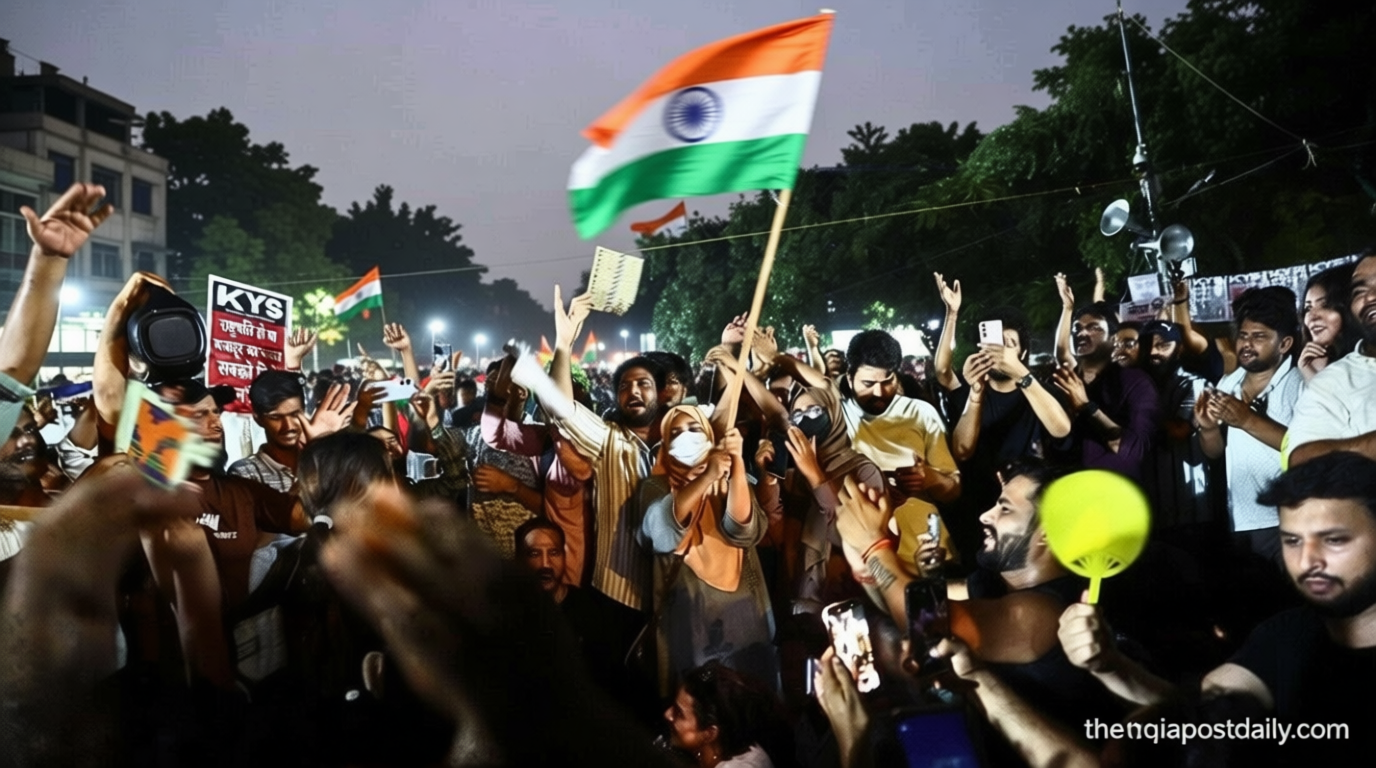
Participants are required to carry only the Indian national flag (Tiranga) and avoid displaying political or organizational banners, as per the CJP’s directives. This decision aims to prevent the rally from becoming a platform for other agendas, ensuring it remains focused on the resignation of Union Education Minister Dharmendra Pradhan. Additionally, demonstrators are encouraged to bring copies of the Constitution or images of national figures such as Dr. BR Ambedkar, Mahatma Gandhi, and Bhagat Singh, symbolizing their demand for accountability and justice.
“Demonstrators must raise positive slogans, including ‘Jai Hind’, ‘Bharat Mata Ki Jai’, ‘Inquilab Zindabad’, ‘Jai Bhim’, and ‘Jai Bharat’,” the CJP reiterated in its statement. This directive not only reinforces unity but also aligns the protest with historical symbols of national pride, making it more resonant with the public. By mandating the use of these slogans, the CJP hopes to ensure the demonstration reflects a collective voice rather than individual dissent.
Another critical aspect of the guidelines is the emphasis on documentation. Participants are urged to record the proceedings, as the CJP believes this will provide an unfiltered account of the event. This approach is meant to counter potential misinformation and ensure that the narrative of the rally is preserved by the demonstrators themselves. The guidelines also stress the importance of remaining calm and non-aggressive, encouraging a disciplined approach to public expression.
Delhi Police’s Legal Framework
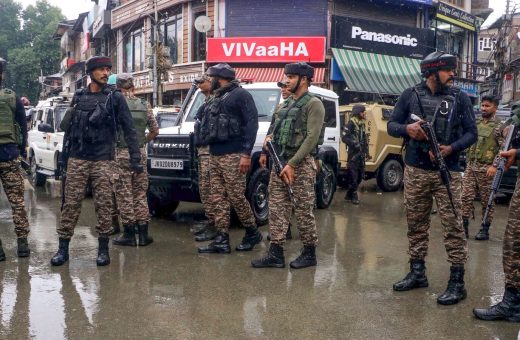
The Delhi Police clarified that they have not granted or received permission for the CJP’s planned rally to the Parliament. This means that the protest could be considered an unauthorized gathering under Section 163 of the Bharatiya Nagarik Suraksha Sanhita (BNSS). Prohibitory orders are currently in effect, restricting processions of five or more people without prior approval. These measures are part of the police’s strategy to manage public gatherings during the Monsoon Session of Parliament, which begins on July 20.
“Any individual participating in an unauthorized march may face legal consequences under Section 223 BNS and other relevant laws,” the police stated, highlighting their preparedness to enforce regulations. The guidelines issued by the CJP are seen as a response to these restrictions, aiming to balance the right to protest with the need for legal order. This dynamic between the protesters and the authorities has become a focal point of the event’s significance.
The rally has also drawn attention to the role of media in capturing the event. Participants are advised to use smartphones and cameras to document the proceedings, ensuring that the public has access to real-time footage of the demonstration. This aligns with the CJP’s broader goal of transparency and accountability, reinforcing the idea that the truth is best recorded by those directly involved. The guidelines further recommend that demonstrators stay within designated areas to avoid clashes with law enforcement.
Public Reaction and Organizational Strategy
The guidelines have sparked mixed reactions among the public and activists. While some appreciate the CJP’s efforts to maintain order, others argue that the strict rules could limit the expression of diverse opinions. Despite this, the CJP has maintained that the rally is a necessary step in demanding justice for the NEET paper leak controversy. The organizers have also highlighted the symbolic importance of the route, from Jantar Mantar—a site of historical protests—to the Parliament, which represents the heart of democratic governance.
“The rally is not just a demonstration of anger but a call for systemic change,” said a spokesperson for the CJP, emphasizing the event’s broader implications. By focusing on “Record the proceedings,” the CJP aims to ensure that the narrative of the protest is preserved without interference. This strategy underscores the importance of independent documentation in maintaining the credibility of the movement, especially in the face of potential legal challenges.
As the event approaches, the CJP has reiterated its commitment to peaceful assembly, urging participants to adhere to the guidelines. The focus on recording the proceedings reflects a growing trend in protest movements to leverage technology and transparency as tools for accountability. This approach not only empowers demonstrators but also serves as a reminder of the role of public scrutiny in democratic processes. The rally is expected to draw a large crowd, with supporters from across the country gathering to voice their concerns about the education ministry’s actions.