RBI plans to roll out polymer banknotes by FY28
The Reserve Bank of India (RBI) is conducting a pilot to test polymer banknotes in Indian conditions, with the aim of rolling them out by 2027-28, governor
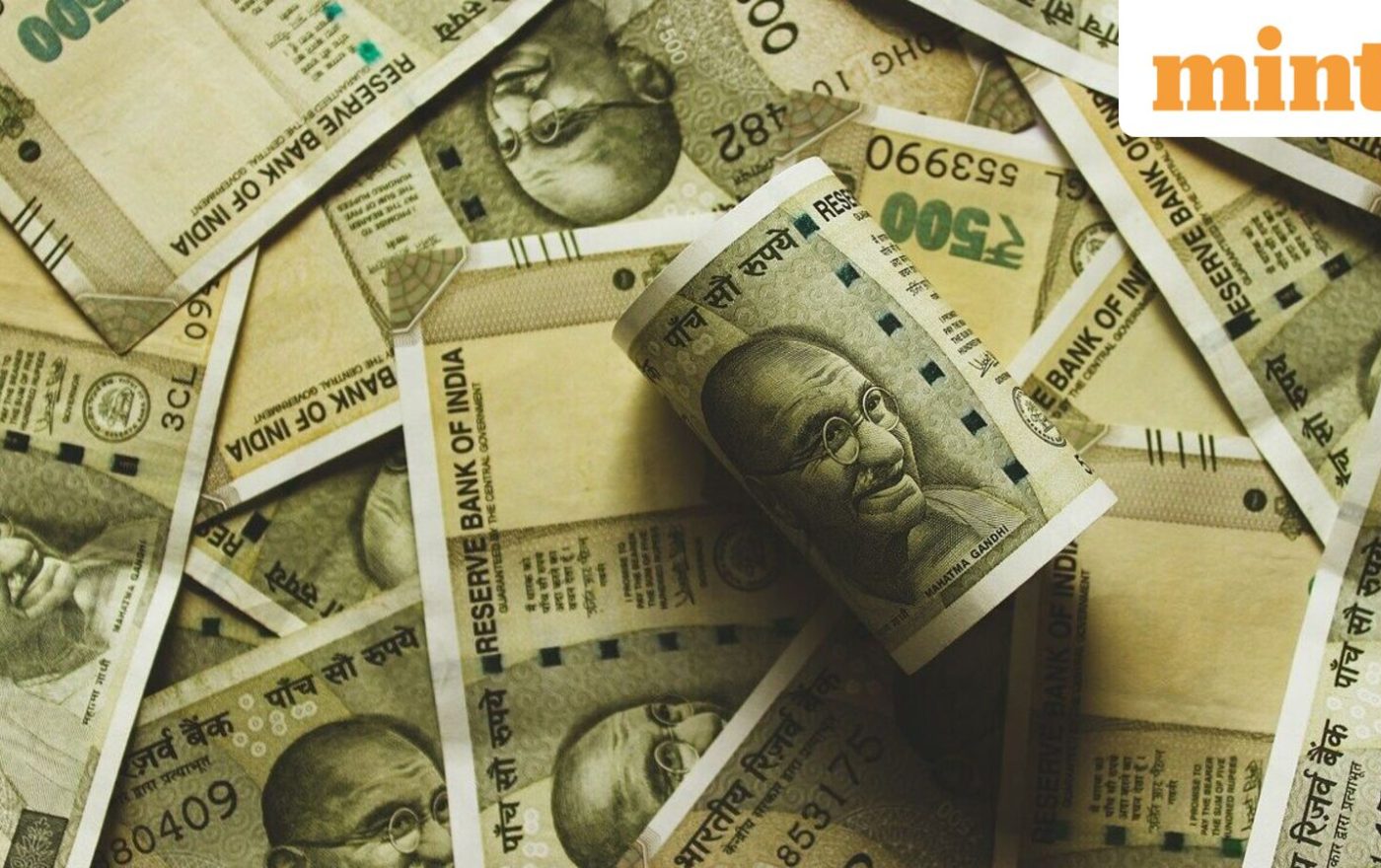
Theindiapostdaily.com – The Reserve Bank of India (RBI) is conducting a pilot to test polymer banknotes in Indian conditions, with the aim of rolling them out by 2027-28, governor Sanjay Malhotra said on Wednesday.“This is still a pilot. We will test and check how they perform in Indian conditions, climate and other infrastructure that we have put in place. And it is only thereafter that we will see if we need to further scale it up, as it is or with changes,” he said while announcing the monetary policy for August.If everything goes according to plan, he said, RBI is targeting a rollout at the beginning of the next fiscal year.Polymer banknotes can incorporate advanced security features such as see-through windows, micro-optic holograms and specialized inks, making them harder to counterfeit.
Around 60 countries, including Australia, Canada, the UK, New Zealand, Singapore, Vietnam, Malaysia, and Mexico, use polymer banknotes.Longer lifespanOn 17 July, RBI’s currency management arm Bharatiya Reserve Bank Note Mudran issued a global expression of interest (EoI) inviting bids from manufacturers to supply polymer substrate sheets embedded with security features that may be used to print Indian banknotes at its own presses as well as those of Security Printing and Minting Corporation of India.The bidding window is open until 18 August 2026.The initial requirement is for around 68,000 reams of biaxially oriented polypropylene (Bopp)-based substrate, split across two denominations, according to the tender. Each ream will consist of 500 sheets.The material must carry several security features, including a clear window with a portrait, a metallic numeral, a magnetic pseudo-thread, a shadow image and an iridescent pattern, suitable for printing.Malhotra said that the polymer material helps enhance the durability and lifespan of currency notes and is thus more relevant for lower-denomination notes such as ₹10 and ₹20, where the “velocity” of circulation is higher, leading to shorter lifespans.“These notes have been in circulation for more than 30 years in various countries. And one finds that the life is much more, 3-4 times the life of the paper substrate.
And then it also expands our capacity as…the needs of the economy increase,” he added.Media reports, first in May 2026, suggested that the central bank may be looking to revive a decade-old plan to shift to polymer notes to avoid the rising cost of printing paper currency and the need to replace a high volume of soiled notes.At the previous policy conference on 5 June, he said that a proposal to introduce polymer currency notes is under consideration and that the idea is at a preliminary stage, with its feasibility and benefits being examined.However, this led to several incorrect reports circulating on social media claiming that RBI would withdraw currency notes and replace them with plastic notes by the end of June 2026, prompting the government to issue a clarification and urge the public to exercise caution.Printing costThe central bank’s cost of printing currency fell 23.5% to ₹4,875.2 crore in 2025-26 from ₹6,372.8 crore in 2024-25 and ₹5,101.4 crore in the previous year. Even so, the total value of banknotes in circulation rose 11.8% to ₹41.23 trillion at the end of March 2026, according to RBI’s annual report for 2025-26.The report also stated that the agenda for 2026-27 includes plans to strengthen the security features embedded in Indian banknotes and upgrade their substrates to improve durability, as part of its ‘Utkarsh 2029’ programme.The central bank also said maintaining self-sufficiency in banknote production through indigenization is a priority, in addition to improving the overall quality of notes in active circulation and extending their usable lifespan through better design.
Related Reading
Frequently Asked Questions
What is RBI plans to roll out polymer?
RBI plans to roll out polymer is the main topic of this guide. The article explains the context, practical details, and next steps readers should understand.
Why does RBI plans to roll out polymer matter?
RBI plans to roll out polymer matters because readers are looking for a useful answer, not just a short summary. Good content should match search intent and help them decide what to do next.