RBI has no plans to withdraw paper currency by 30 June, government clarifies
RBI has no plans to withdraw paper currency by 30 June: Government Clarifies Clarification on RBI's Currency Policy RBI has no plans to withdraw - The Indian
RBI has no plans to withdraw paper currency by 30 June: Government Clarifies
Clarification on RBI’s Currency Policy
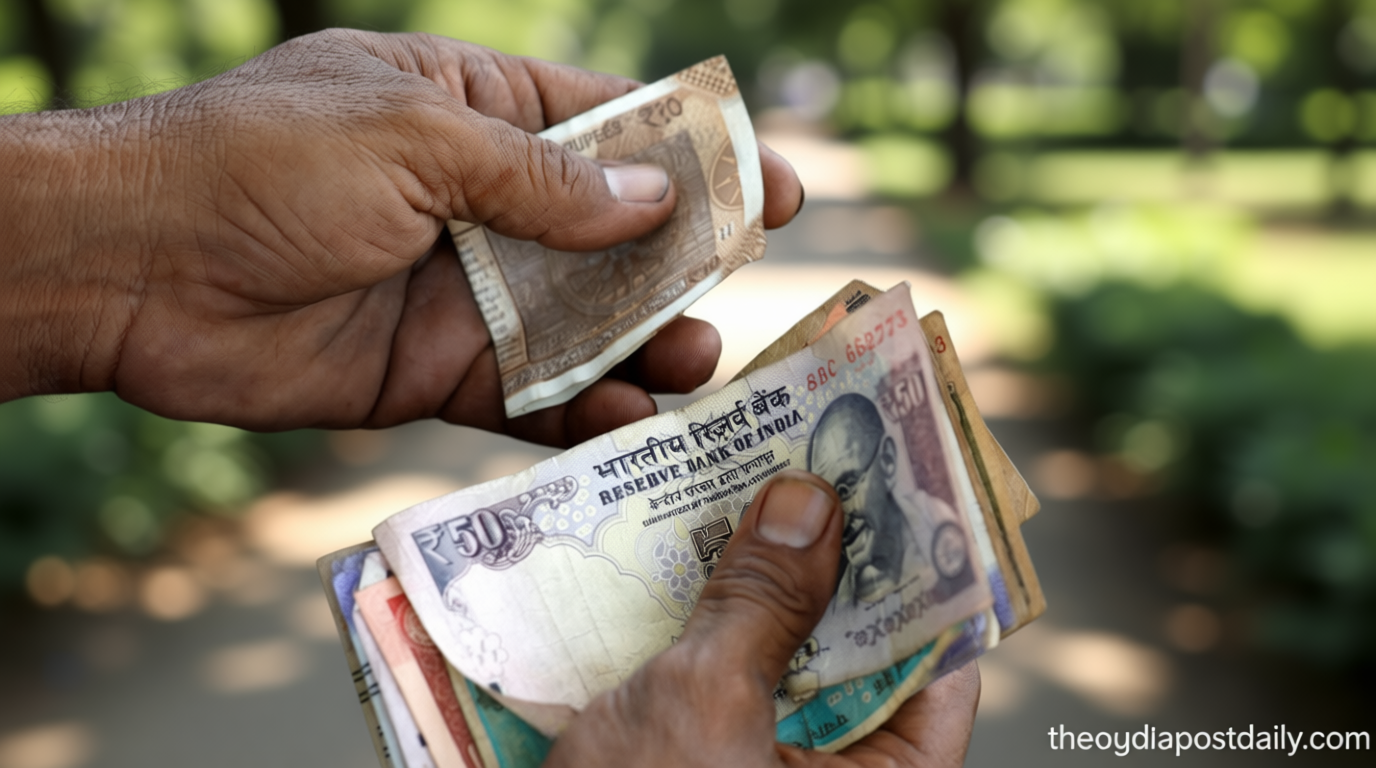
Theindiapostdaily.com – The Indian government has clarified that the Reserve Bank of India (RBI) has no plans to withdraw paper currency by 30 June 2026. This came after social media platforms spread misinformation suggesting the central bank would phase out traditional banknotes in favor of plastic currency notes by that date. Officials swiftly addressed the rumors, emphasizing that the RBI’s current strategy does not include a complete replacement of paper currency with polymer notes by the deadline. The clarification aims to restore public confidence in the nation’s monetary system and prevent unnecessary panic among traders and citizens.
The focus keyword “RBI has no plans to withdraw” is central to the government’s statement, which was released in response to widespread confusion. The RBI, India’s central banking institution, has consistently communicated its approach to currency management, ensuring that the transition to newer forms of currency remains gradual and well-planned. By reaffirming its commitment to paper currency, the government is reassuring people that their everyday financial transactions will continue to be supported by the same physical notes they have relied on for decades. This move is particularly important in a country where cash still plays a significant role in both daily commerce and major economic activities.
PIB Fact Check and Digital Video Clarification
To combat the spread of false information, the Press Information Bureau (PIB) launched a comprehensive fact-check initiative on its social media platforms. The PIB highlighted that the rumors about the RBI’s plan to withdraw paper currency by June 30, 2026, were baseless and lacked any official endorsement. A key part of the clarification involved the release of a digital video that was digitally altered to appear as if it were Prime Minister Narendra Modi himself announcing the withdrawal of paper notes by the specified date. This video was used to mimic the authority of the government and RBI, making the false claim more credible to the public.
“Several social media posts are falsely claiming that the RBI will withdraw paper currency notes and replace them with plastic currency notes from June 30, 2026,” the PIB noted on X. “According to @RBI, there are no plans to withdraw paper currency notes or replace them with plastic currency notes by June 30, 2026.”
The PIB’s response was a direct rebuttal to the misleading content, urging users to verify information through official channels before sharing it. This effort underscores the government’s proactive approach in managing public perception during times of financial uncertainty.
RBI’s Past Initiatives and Future Plans
While the RBI has not announced a complete withdrawal of paper currency by 30 June, it has been gradually introducing polymer-based notes in certain denominations as part of its long-term strategy to improve currency durability and security. This initiative, which began in 2019 with the introduction of the first polymer notes, was a response to the need for longer-lasting currency in a rapidly digitizing economy. The RBI has emphasized that the transition to plastic notes is a phased process, not an immediate replacement of all paper currency. However, the recent rumors have reignited discussions about the broader implications of such a policy shift for the general population.
Experts have pointed out that the RBI’s decision to phase out paper currency is not a sudden one but part of a broader trend seen in many developed economies. Countries like the UK and Australia have already replaced certain paper notes with polymer versions to reduce counterfeiting and environmental impact. In India, the introduction of polymer notes has been a gradual process, with only specific denominations currently in circulation. The government’s clarification reaffirms that this approach is not set to accelerate by the end of 2026, ensuring that the public remains informed about the RBI’s long-term vision for currency management.
Public Reaction and Concerns
The initial claims about the RBI withdrawing paper currency by 30 June 2026 caused significant concern among the public, particularly in rural and semi-urban areas where cash is still predominantly used. Many citizens feared that the transition to plastic notes would complicate transactions, especially in regions with limited access to digital payment systems. The government’s swift response to the rumors has helped alleviate some of these fears, but the incident highlights the importance of clear communication in financial policy.
Authorities have urged people to remain cautious and verify information through official sources, especially during periods of heightened media activity. The RBI’s clarification, supported by the PIB, has been a critical step in dispelling the confusion. However, the event also serves as a reminder of how quickly misinformation can spread in the digital age, particularly when it is presented in a format that mimics authoritative voices. This underscores the need for a multi-pronged approach to combating false claims, including public education on currency policies and the use of verified platforms for announcements.
Impact on the Economy and Daily Life
The potential withdrawal of paper currency by 30 June 2026 could have far-reaching effects on the Indian economy, particularly on small businesses and cash-dependent sectors. While the RBI has not confirmed an immediate replacement of all paper notes, the ambiguity in the original claims has led to speculation about the timeline and scope of such a change. For instance, some analysts have questioned whether the policy would affect high-value denominations or low-denomination notes, and whether it would be implemented nationwide or in select regions.
Despite the initial confusion, the government’s clarification has restored a sense of stability to the financial market. By emphasizing that the RBI has no plans to withdraw paper currency by the specified date, officials have reassured traders and the general public that the current currency system will remain intact. This is especially important for industries such as agriculture, retail, and small-scale manufacturing, where cash transactions are still a cornerstone of operations. The RBI’s ongoing commitment to a gradual transition, rather than an abrupt one, is a key factor in ensuring that the public can adapt to any changes without disruption.
Call for Caution and Verification
Authorities have reiterated their call for citizens to exercise caution when encountering financial news on social media. The recent incident has shown how easily misinformation can be amplified, leading to unnecessary alarm and economic uncertainty. To prevent similar situations, the government has encouraged people to cross-check information with the RBI’s official communications and trusted news sources. This advice is particularly relevant in an era where digital platforms play a pivotal role in shaping public opinion.
As the RBI continues its efforts to modernize India’s currency system, the importance of transparent communication cannot be overstated. The clarification on the 30 June 2026 deadline serves as a valuable lesson in the need for accurate information dissemination. By addressing the rumors head-on and providing clear explanations, the government and RBI have demonstrated their commitment to maintaining public trust in the financial system. This proactive approach not only strengthens the credibility of official announcements but also helps to safeguard the economic stability of the nation.