RBI governor warns against complacency amid external headwinds
India enters a period of heightened global uncertainty with a strong financial foundation, but that strength should not lead to overconfidence, Reserve Bank
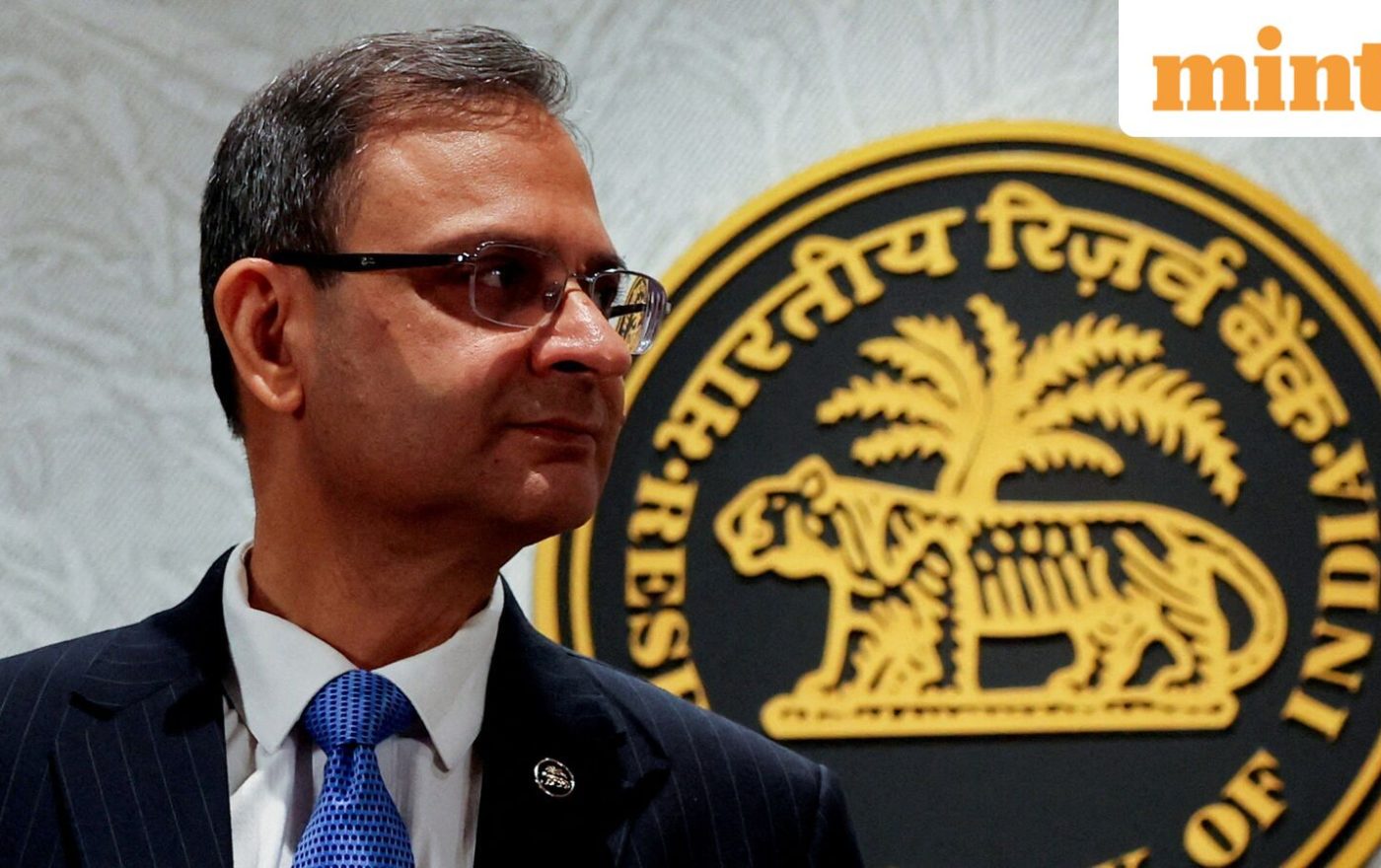
RBI chief urges vigilance as global financial risks gather
Theindiapostdaily.com – India enters a period of heightened global uncertainty with a strong financial foundation, but that strength should not lead to overconfidence, Reserve Bank of India Governor Sanjay Malhotra said on Saturday.
Speaking at the fifth Kautilya Economic Conclave in New Delhi, Malhotra said India’s banking, corporate and household balance sheets remain healthy. Yet he stressed that a long spell of calm can itself create vulnerabilities if institutions and investors begin taking on greater risks or relying too heavily on borrowed money.
“It’s not that I see any imminent signs of stress, but it is because we need to remind ourselves that we need to remain alert to these risks.”
His warning comes after several years in which the global economy has absorbed major disruptions, starting with the pandemic in 2020 and continuing through geopolitical tensions, volatile commodity markets and changes in financial conditions. India, meanwhile, has experienced relative macroeconomic and financial stability, supported by stronger domestic balance sheets and ongoing fiscal discipline.
Stability can create its own risks
Malhotra cautioned that stable conditions can gradually weaken caution. When memories of earlier crises fade, lenders, borrowers and market participants may become more willing to increase leverage or make decisions based on expectations that favourable conditions will persist.
Financial-sector problems can emerge quickly, he noted, even though repairing their consequences often takes years. India’s experience after the excess lending cycle of the early 2000s demonstrated how difficult and prolonged the clean-up of stressed bank assets can be.
“So we cannot afford to become complacent.”
The RBI cannot eliminate every disruption arising from the domestic economy, international conflict, price movements or technological change. Its role, Malhotra said, is to help ensure that the financial system can absorb shocks instead of amplifying them. That requires prudent regulation, supervision that focuses on risks, macro-prudential safeguards, adequate liquidity arrangements, emergency liquidity assistance where necessary and effective resolution mechanisms.
Five areas of global concern
Malhotra identified a set of vulnerabilities that could place pressure on the international financial system, particularly if they occur together rather than in isolation.
The first is rising global debt. Borrowing has increased, maturities have become shorter and bond yields have moved higher. The yield on the US 10-year Treasury reached 5.34% on Thursday, its highest level in 24 years. Higher yields raise financing costs for governments and companies alike, shrinking fiscal room for policymakers and making it harder for indebted businesses to meet repayment obligations.
Banks may also face losses on government bond holdings at a time when governments could have less capacity to support troubled lenders. Emerging economies with substantial sovereign debt held by foreign investors could be especially vulnerable if capital leaves as carry trades unwind.
A second concern is the AI investment cycle. Artificial intelligence-related spending has helped support financial markets, but a slowdown in investment or company earnings as the cycle matures could lead to a rapid reassessment of asset values. Such a correction could be especially sharp across companies linked to the broader AI ecosystem.
Third, leverage outside the conventional banking system has grown. Hedge funds, option sellers, exchange-traded funds and other non-bank financial intermediaries have increased their activity in equity and bond markets in pursuit of returns. This becomes more concerning when stock-market valuations are already elevated.
Private credit is another area requiring close attention. Malhotra pointed to high-profile defaults as warning signs in this segment. The fifth and most immediate concern is cyber risk. As AI systems become more sophisticated, autonomous and capable of solving complex tasks, they can also intensify the threat posed by cyber attacks against financial institutions and market infrastructure.
“While each one of these risks individually may not be a matter of concern as of now, the simultaneous occurrence of these shocks can put significant pressure on the global financial architecture.”
India’s position amid external pressures
India is not insulated from global developments. The conflict in West Asia can affect the country through higher commodity prices and pressure on the external sector. However, Malhotra said the economy is facing this environment from a position of strength.
He cited relatively low inflation, growth that remains the strongest among major economies and continued fiscal consolidation. These factors matter because they give policymakers more room to respond if external shocks become more severe.
India is also seeking to reinforce its resilience by diversifying import sources, increasing self-sufficiency in energy and other strategically important resources, and building strategic petroleum reserves. These measures are designed to reduce the impact of supply disruptions and sudden price spikes.
Government bond yields in India have increased in recent months, but at a slower pace than in many global markets. Malhotra attributed this relative performance to credible monetary policy and fiscal prudence. A correction in AI-linked valuations in advanced economies could even encourage some capital flows towards India, he added.
A broader task for policymakers
The governor said the global order shaped over decades is being challenged by geopolitical and geo-economic fragmentation. For central banks, this means price stability and financial stability cannot be assessed separately from international economic developments.
For households, businesses and investors, the message is equally relevant: resilience is not the same as immunity. India’s buffers provide protection, but continued discipline in lending, borrowing, investment and risk management remains essential as global conditions evolve.
Malhotra’s central point was that preparedness must be built before stress appears. A financial system that maintains sound balance sheets, recognises new risks early and retains the ability to provide liquidity during disruptions is better placed to protect growth when the next shock arrives.
Related Reading
Frequently Asked Questions
What is RBI governor warns against complacency amid?
RBI governor warns against complacency amid is the main topic of this guide. The article explains the context, practical details, and next steps readers should understand.
Why does RBI governor warns against complacency amid matter?
RBI governor warns against complacency amid matters because readers are looking for a useful answer, not just a short summary. Good content should match search intent and help them decide what to do next.