Pro-Khalistani slogans, Bhindranwale posters: What happened at Golden Temple on anniversary of Operation Blue Star
Pro-Khalistani Slogans and Bhindranwale Posters Mark 42nd Anniversary of Operation Blue Star Pro Khalistani slogans Bhindranwale posters - As the 42nd
Pro-Khalistani Slogans and Bhindranwale Posters Mark 42nd Anniversary of Operation Blue Star
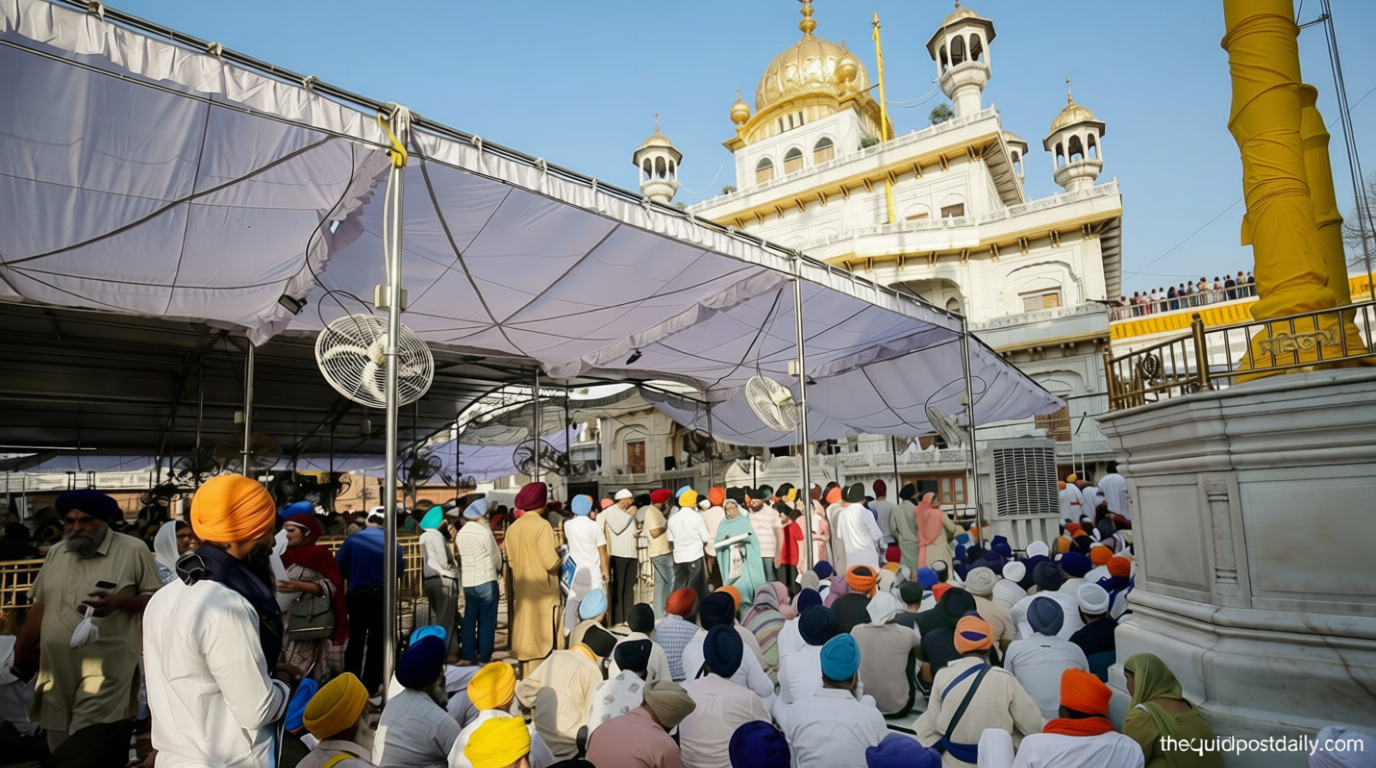
Theindiapostdaily.com – As the 42nd anniversary of Operation Blue Star approached, the Golden Temple in Amritsar, Punjab, became a living canvas for pro-Khalistani slogans and portraits of Jarnail Singh Bhindranwale. Activists from various factions of the Khalistani movement gathered near the Akal Takht, the supreme spiritual and temporal seat of Sikhism, to commemorate the operation that reshaped the political and religious landscape of Punjab. The display of Bhindranwale’s posters and the echoing of pro-Khalistani chants highlighted the enduring resonance of the separatist leader’s ideology, even as the event unfolded in a calm and controlled manner. This year’s anniversary sparked renewed discussions about the historical role of Bhindranwale, who had become a symbol of resistance for many Sikhs during the 1980s.
The Spirit of Protest and Reflection
On June 6, the air around the Golden Temple buzzed with a mix of reverence and defiance. Pro-Khalistani slogans, such as “Sikhs for Self-Determination,” were prominently featured, accompanied by posters of Bhindranwale that depicted him as a martyr and a rallying figure. These visual and verbal tributes were not merely nostalgic; they served as a reminder of the turbulent years that led to the 1984 military operation. The Shiromani Akali Dal (Amritsar) and other pro-Khalistani groups organized gatherings that emphasized the movement’s struggle for autonomy, despite the recent calm that prevailed in the region. The presence of these symbols underscored the emotional and ideological significance attached to the operation, even as authorities maintained a heightened security posture.
“The anniversary of Operation Blue Star is on June 6; in connection with this, numerous programs and events take place, creating a heightened and sensitive security environment.” — Special Director General of Police (Law and Order) Praveen Kumar Sinha
Punjab Police Deployed a Robust Security Strategy
To ensure the safety of the Golden Temple and surrounding areas, Punjab police implemented an extensive security plan. Nearly 4,000 officers, including 2,000 from neighboring districts and five companies of the Central Armed Police Forces (CAPF), were stationed across Amritsar. This strategic deployment aimed to preempt any potential unrest, especially as pro-Khalistani posters and slogans were prominently displayed. The police’s efforts reflected the delicate balance between preserving the sanctity of the temple and maintaining order amid the political symbolism of the day. Local representatives, such as district MP Simranjit Singh Mann, also joined the security measures, demonstrating the government’s commitment to managing the event without escalating tensions.
Historical Context of Operation Blue Star
Operation Blue Star, conducted on June 6, 1984, was a pivotal moment in India’s history. Ordered by then-Prime Minister Indira Gandhi, the mission targeted the Golden Temple complex, where Jarnail Singh Bhindranwale had established a stronghold for the Khalistani separatist movement. Bhindranwale, a charismatic leader of the Damdami Taksal, had rallied thousands of supporters by advocating for a sovereign Sikh state. His presence in the temple, along with hidden arms and weapons, made it a critical site for the operation. The military’s entry into the sacred space marked a turning point, as it led to the capture and eventual death of Bhindranwale, who had become a unifying figure for many Sikhs.
The Impact of Operation Blue Star on Punjab
The aftermath of Operation Blue Star had profound implications for Punjab. While the operation succeeded in removing militants from the Golden Temple, it also sparked widespread anger among Sikhs, who viewed it as an attack on their religious and cultural identity. Pro-Khalistani posters and slogans became a way to channel this frustration, with activists using them to critique the government’s actions and honor Bhindranwale’s legacy. The event was remembered not only for its military aspects but also for its deepening political divide. The assassination of Indira Gandhi by her Sikh bodyguards a month later further intensified the debate, linking the operation to the broader context of Sikh nationalism and communal tensions.
Legacy of Bhindranwale and Ongoing Pro-Khalistani Influence
Four decades later, the memory of Jarnail Singh Bhindranwale continues to shape pro-Khalistani movements. His posters and slogans remain a powerful reminder of the struggle for independence and self-rule, with many activists invoking his name to inspire new generations. The Golden Temple, once a symbol of Sikh unity, now carries the weight of both historical significance and ongoing ideological conflict. As the 42nd anniversary passed, the display of these symbols highlighted the unresolved tensions between the Khalistani movement and the Indian state. The event’s legacy is a testament to the enduring impact of Bhindranwale’s vision, which continues to resonate with those who advocate for Sikh self-determination.