‘Please don’t shoot…’: CJP shares Parliament visuals showing security forces in firing positions | Viral video
As the Monsoon Session of Parliament kicked off on 20 July, a viral video
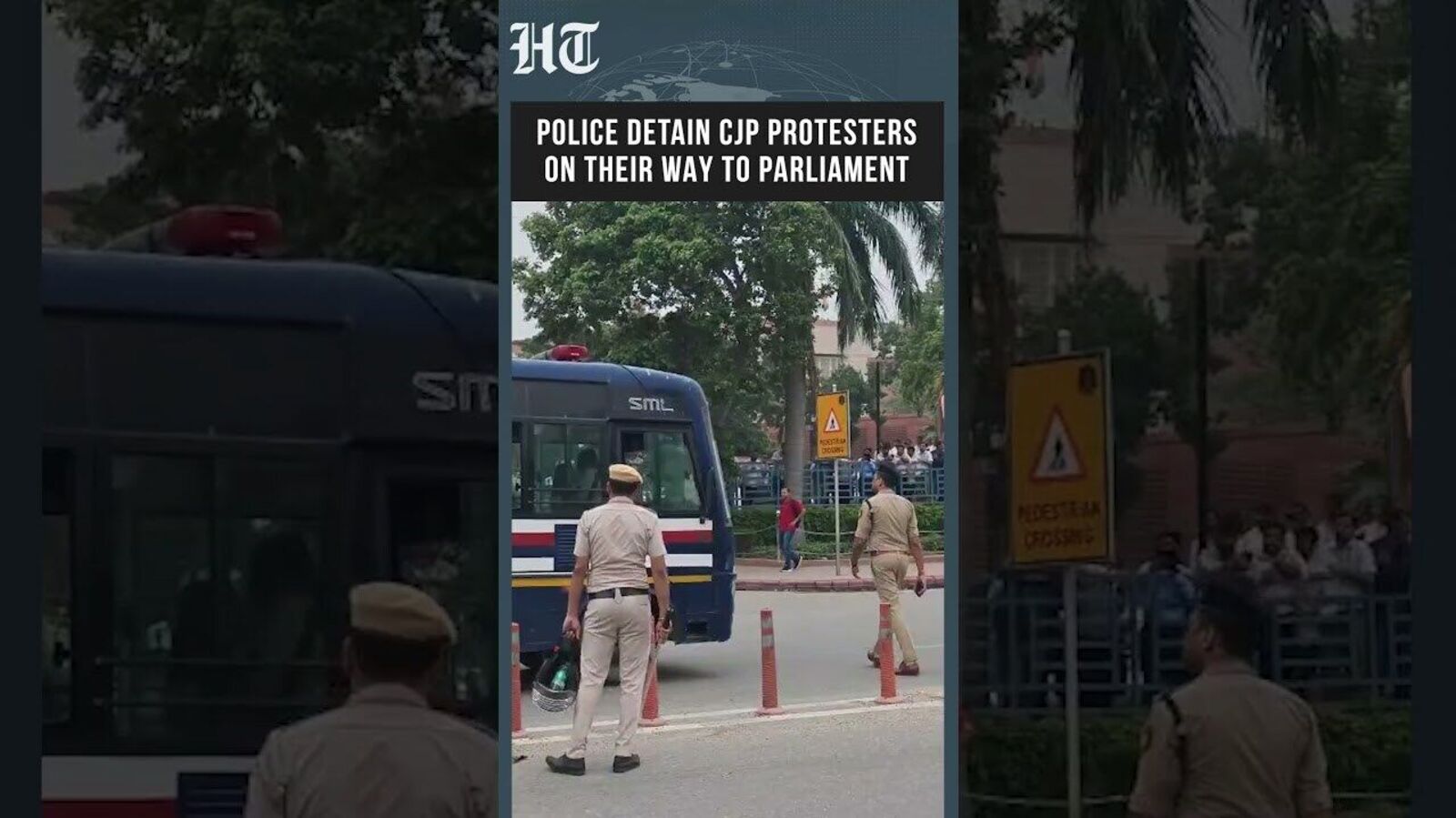
CJP Pleads ‘Please Don’t Shoot’ During Parliament Protest
Theindiapostdaily.com – As the Monsoon Session of Parliament kicked off on 20 July, a viral video capturing the moment sparked national debate. The video, shared by the Cockroach Janta Party (CJP), featured security forces stationed in firing positions near the Parliament complex, with the clear plea, “Please don’t shoot…” echoing across social media. The demonstration, known as “Chalo Sansad,” was organized by students to demand accountability for the alleged NEET paper leak, a scandal that has gripped the education sector. With thousands of participants, including children, elderly citizens, and students, the protest aimed to pressure Education Minister Dharmendra Pradhan to resign, highlighting a growing public outcry against governmental negligence in academic affairs.
Security Measures and Viral Appeal
The tension escalated as protesters approached the Parliament premises, prompting Delhi Police to deploy riot gear and set up barricades with armored vehicles. The viral video, which quickly gained traction, showed security personnel poised behind water cannons and firearms, ready to engage if necessary. CJP used this footage to appeal to the security forces, emphasizing the emotional plea to protect the youth. The image of police in firing positions, juxtaposed with the peaceful march, created a powerful visual contrast, amplifying the message of non-violent resistance. The video’s emotional resonance drew attention to the protesters’ vulnerability and the potential consequences of forceful intervention.
“Please don’t shoot at our country’s youth. They’re not making any unreasonable demands. They just want accountability for students dying because of govt incompetence!”
This plea, shared by CJP on social media, resonated with many as it underscored the protesters’ belief in justice and their determination to hold officials responsible. The clip’s spread across platforms like Twitter and Facebook intensified the conversation around the incident, with users dissecting the security forces’ positioning and the protesters’ peaceful demeanor.
Protest Dynamics and Public Support
The demonstration began at Jantar Mantar, where CJP has held sit-ins since June 20, gathering momentum as participants from across the country arrived. Schoolchildren in uniforms, students with placards, and seniors traveling long distances joined the march, showcasing the widespread support for the cause. The protesters navigated narrow lanes and circumvented checkpoints, displaying strategic resilience. Their chants, such as “Please don’t shoot, give us justice,” echoed through the streets, blending peaceful protest with a clear demand for accountability. The coordinated effort highlighted the growing solidarity among citizens, who viewed the incident as a pivotal moment for youth empowerment.
Government Response and Institutional Tensions
As the crowd advanced, police deployed tear gas and lathi charges in key areas like Parliament Street, Patel Chowk, and Rail Bhawan to contain the situation. The forceful measures were taken after protesters attempted to breach barricades, leading to a tense standoff. Despite the police action, the core message of the viral video—“Please don’t shoot”—remained central to the protest’s narrative. Opposition members inside the Parliament disrupted proceedings, further reflecting the political divisions. Prime Minister Narendra Modi, who had left the premises earlier, faced scrutiny over the government’s handling of the situation, with critics arguing that the use of force undermined the peaceful nature of the protest.
Meanwhile, the Ministry of Home Affairs and Delhi Police defended their actions, citing the need to maintain order during the heightened security situation. Officials emphasized that the firing positions were a precautionary measure to prevent any potential attacks on the parliamentary complex. However, the footage of security forces in readiness raised questions about the proportionality of the response, with some activists questioning whether the government was prioritizing control over dialogue. The event became a symbol of the broader struggle between governance and grassroots activism, with the “Please don’t shoot” plea gaining traction as a rallying cry for transparency and accountability.
Legacy of the Protest and Broader Implications
The incident left a lasting impact, with the viral video continuing to circulate and fuel discussions on youth empowerment and governmental accountability. The plea, “Please don’t shoot,” was not just a call to security forces but also a reminder of the public’s trust in the youth’s ability to drive change. As the protests unfolded, they underscored the importance of peaceful assembly in democratic processes, even as tensions flared. The visual of security forces in firing positions, combined with the protesters’ resolve, became a powerful metaphor for the clash between authority and the aspirations of the younger generation. This moment, captured on video, remains a defining image of the Monsoon Session’s first day, resonating with those who believe in the power of collective action.
Following the protest, the NEET paper leak controversy continued to dominate headlines, with calls for immediate reforms in the education system. The “Please don’t shoot” message, now deeply embedded in public discourse, serves as a testament to the protesters’ courage and the emotional weight of their demands. As the government grapples with the fallout, the incident highlights the role of media in shaping narratives and the importance of addressing grievances through dialogue rather than confrontation. The viral video, a critical piece of the story, remains a focal point for those advocating for a more responsive and accountable administration.