Petrol, diesel prices today — 10 July: Check fuel rates in Delhi, Mumbai, Bengaluru, Kolkata as oil prices ease
India's Fuel Price Stability Amid Global Oil Market Shifts As of July 10, petrol and diesel prices today remain
Theindiapostdaily.com –
India’s Fuel Price Stability Amid Global Oil Market Shifts
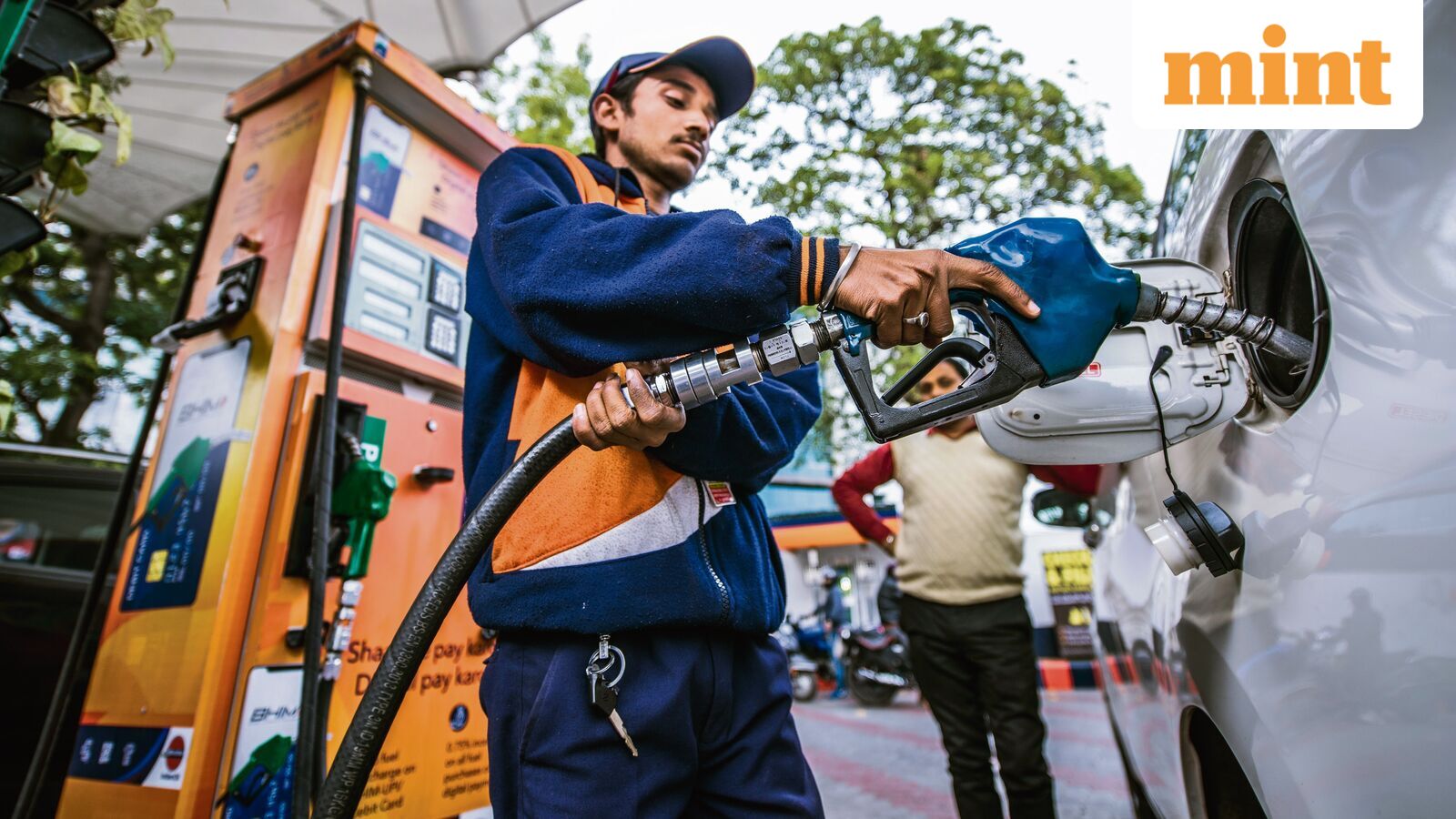
As of July 10, petrol and diesel prices today remain unchanged in major Indian cities such as Delhi, Mumbai, Bengaluru, and Kolkata. This comes amid a recent dip in international oil prices, which has yet to translate into immediate retail adjustments. The OMCs (Oil Marketing Companies) have opted to maintain current rates, creating a stable market environment for consumers. While global markets have seen fluctuations due to geopolitical tensions, India’s domestic pricing policy has shielded fuel costs from sharp swings, offering relief to drivers and businesses.
Global Market Dynamics and Price Trends
Recent oil price movements have been influenced by a complex interplay of geopolitical events and economic indicators. On July 10, Brent crude and WTI (West Texas Intermediate) prices stabilized following talks between the United States and Iran, which eased concerns over supply chain disruptions. Analysts suggest that the temporary ceasefire in tensions has restored investor confidence, preventing a further drop in global crude prices. This stability has indirectly impacted India’s fuel rates, as the nation relies heavily on imported oil, with prices often reflecting international benchmarks.
“The market is cautiously optimistic about sustained price stability, as diplomatic efforts between Washington and Tehran have reduced the risk of prolonged conflicts,” noted a commodities analyst from ING Groep NV. “This pause in volatility is critical for both consumers and the economy, especially as fuel costs remain a key factor in inflationary pressures.”
Domestic Pricing Decisions and Consumer Impact
Indian fuel prices are determined by state-owned Oil Marketing Companies (OMCs), which have decided to keep petrol and diesel rates unchanged despite the decline in international oil prices. The last revision occurred on May 25, and since then, OMCs have maintained a consistent pricing strategy. This approach ensures that consumers in Delhi, Mumbai, Bengaluru, and Kolkata experience no sudden cost increases, even as global markets adjust. However, the lack of price cuts has sparked debates among political leaders and economists about the necessity of further reductions to ease the financial burden on households.
Political Calls for Retail Price Adjustments
With petrol and diesel prices today remaining steady, political leaders have begun to voice concerns about the affordability of fuel for everyday users. Aam Aadmi Party (AAP) leader Arvind Kejriwal recently urged authorities to consider lowering fuel rates, citing the potential to reduce inflationary pressures. He proposed ₹82 per litre for pure petrol and ₹70 for E20 blends, compared to the current ₹102 for E20. “Lowering petrol and diesel prices today would directly benefit millions of Indians,” Kejriwal stated during a media address, emphasizing the role of OMCs in adapting to the current market conditions.
“The government should act swiftly to align domestic fuel rates with the international trend, ensuring that consumers share in the benefits of lower oil prices,” said a senior economist from the Indian Council for Research on Economic Policy. “This could also help support the broader goal of stabilizing the economy during these uncertain times.”
Regional Price Comparisons and Market Outlook
A comparison of petrol and diesel prices today across major cities reveals minimal variation, with Delhi, Mumbai, Bengaluru, and Kolkata all maintaining identical rates. For instance, in Delhi, the price of petrol remains at ₹102 per litre, while diesel is priced at ₹82. Similarly, Mumbai, Bengaluru, and Kolkata follow the same pattern, reflecting a unified pricing strategy. This consistency is partly due to the OMCs’ coordination, which ensures equitable distribution of price changes across the country. However, some experts argue that regional variations in transportation costs and demand could justify localized adjustments.
Looking ahead, the stability of petrol and diesel prices today is expected to continue as long as international oil prices remain on a downward trajectory. The next significant price revision may depend on factors such as the duration of US-Iran talks, the state of global supply chains, and the Indian government’s response to domestic economic pressures. Until then, consumers can anticipate no immediate changes to their fuel expenses, allowing them to plan budgets without disruption.
Long-Term Implications for India’s Energy Sector
The current stability in petrol and diesel prices today underscores the importance of India’s strategic oil import policy. By tying domestic rates to global benchmarks, the government ensures that fuel costs reflect market realities. However, this approach also means that any upward movement in international oil prices could lead to swift increases in India’s retail prices. Experts warn that prolonged reliance on global trends without domestic regulatory intervention may leave the economy vulnerable to external shocks. Nevertheless, the recent trend of lower oil prices offers a temporary reprieve for both consumers and businesses.