Petrol, diesel prices today — 1 July: How costly is fuel in Bengaluru, Delhi, Mumbai, Kolkata, Hyderabad, other cities?
India's petrol and diesel prices today remained unchanged on Wednesday, 1 July 2024, despite
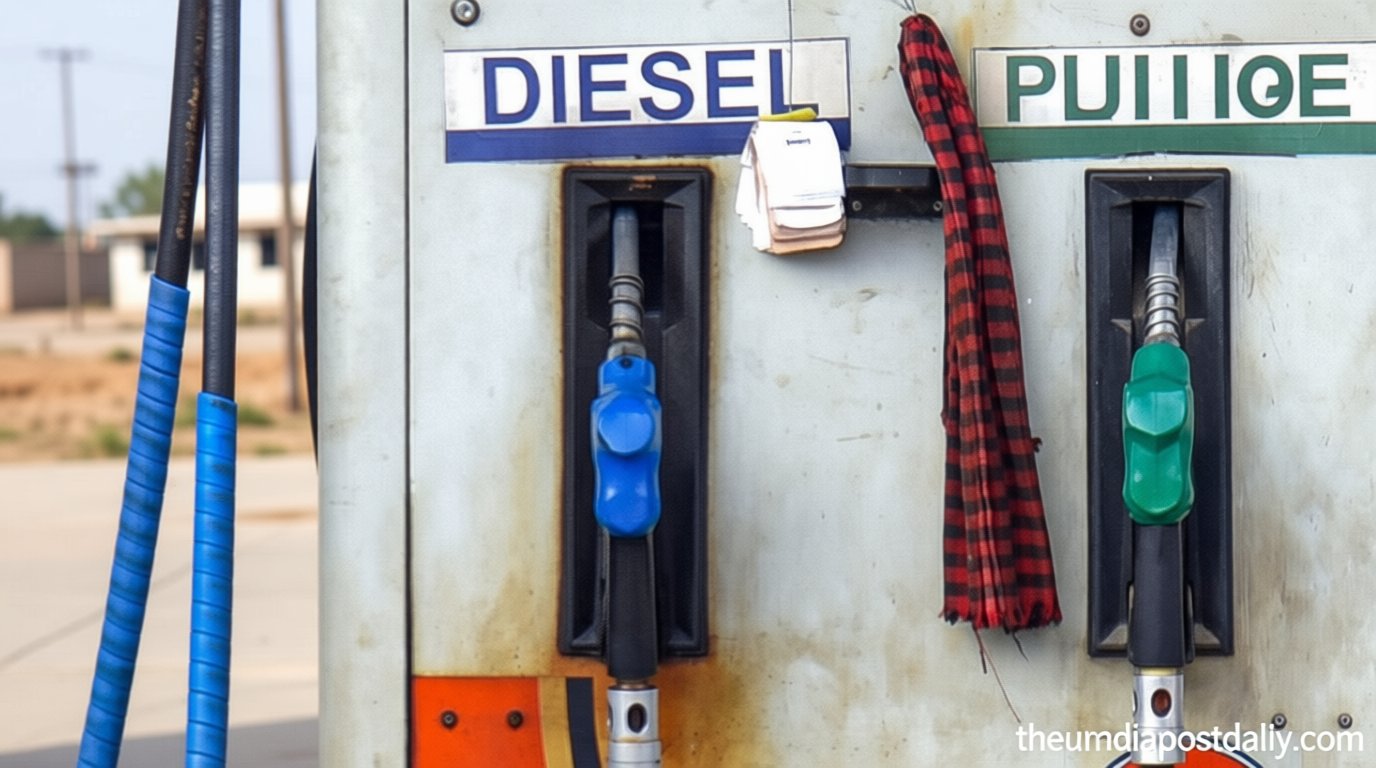
India Petrol and Diesel Prices Today: 1 July 2024 Update
Theindiapostdaily.com – India’s petrol and diesel prices today remained unchanged on Wednesday, 1 July 2024, despite ongoing fluctuations in global crude oil markets. The stability in fuel costs comes amid diplomatic efforts to ease tensions between the U.S. and Iran, which had initially caused a spike in Brent crude futures. However, recent developments have stabilized prices, with the strategic Strait of Hormuz—critical for 20% of global oil trade—showing improved security after weeks of disruption. This update provides a breakdown of how fuel costs in key cities like Bengaluru, Delhi, Mumbai, Kolkata, and Hyderabad compare to the national average.
Government Policy Shifts and Market Stability
The central government’s decision to lift purchase restrictions for industrial and commercial fuel consumers on 1 July marks a significant policy shift. These measures, initially introduced during the West Asia conflict and Hormuz waterway disruptions, were designed to ensure supply chain resilience. By removing the June 12 directive, the government has allowed oil marketing companies to resume bulk fuel procurement, which is expected to boost availability and stabilize retail prices for the next 90 days. This move aligns with the current trend of market equilibrium, where geopolitical concerns are balanced by domestic logistical improvements.
“Iran emphasized that no direct meetings with U.S. envoys have been planned at this stage,” stated Iranian Foreign Ministry spokesperson Esmaeil Baghaei. The U.S. had sent Jared Kushner and Steve Witkoff to Doha for high-level discussions, but Iran insisted on mediators facilitating talks. This diplomatic stalemate, combined with the recent recovery of oil tanker traffic through the Strait of Hormuz, has contributed to a more predictable price environment for Indian consumers.
Export Duty Adjustments and Cost Implications
As part of its broader strategy to manage fuel costs, the government revised export duties on petrol, diesel, and aviation turbine fuel (ATF) effective 1 July. The Special Additional Excise Duty (SAED) was set at ₹4 per litre for petrol and ₹8.5 per litre for diesel, with the Road and Infrastructure Cess (RIC) remaining unchanged. The expansion of the exemption list to include Mauritius, the Maldives, and other regional countries is likely to reduce export pressures and ease domestic price fluctuations. This adjustment is crucial for consumers, as it helps mitigate the impact of global oil price swings on their daily expenses.
The current petrol and diesel prices today reflect the May 25 price revision, which saw a cumulative increase of ₹7.50 per litre for petrol and ₹7.60 for diesel. While these hikes were driven by prior under-recoveries, the recent policy tweaks have helped stabilize costs. Retailers continue to play a key role in adjusting prices to align with the market, ensuring that consumers experience smoother transitions between price cycles. This balance is essential for maintaining economic stability in sectors reliant on fuel.
Comparative Fuel Costs in Major Cities
On 1 July 2024, petrol and diesel prices today varied slightly across major cities. In Delhi, petrol prices remained at ₹94.54 per litre, while diesel stayed at ₹80.31. Mumbai saw petrol at ₹93.66 and diesel at ₹79.88, with Bengaluru maintaining petrol at ₹93.45 and diesel at ₹79.95. Kolkata and Hyderabad also recorded stable prices, with petrol at ₹95.10 and diesel at ₹81.05 for Kolkata, and petrol at ₹94.25 and diesel at ₹79.55 for Hyderabad. These minor regional differences highlight the interplay between local supply dynamics and national pricing mechanisms.
“The price stability today underscores the government’s proactive measures in managing both global and domestic factors,” noted an energy analyst. With the removal of purchase caps and revised export duties, the market is now better positioned to absorb shocks from geopolitical tensions. This is particularly important for cities like Bengaluru and Hyderabad, where transportation and industrial activity remain high, and fuel costs directly affect local economies.
Consumers in cities such as Delhi and Mumbai continue to face the challenge of rising fuel expenses, though the recent stabilization offers some relief. The government’s efforts to reduce export pressures and ensure supply chain continuity are expected to keep petrol and diesel prices today within manageable limits. However, vigilance is necessary, as global oil markets remain volatile and could impact domestic costs in the near future. Tracking these trends closely will help consumers and businesses plan effectively.