Petrol, diesel prices on June 17: Check fuel cost in Chennai, Bengaluru, Delhi, Kolkata, Mumbai and other cities today
On June 17, petrol and diesel prices in India remained unchanged
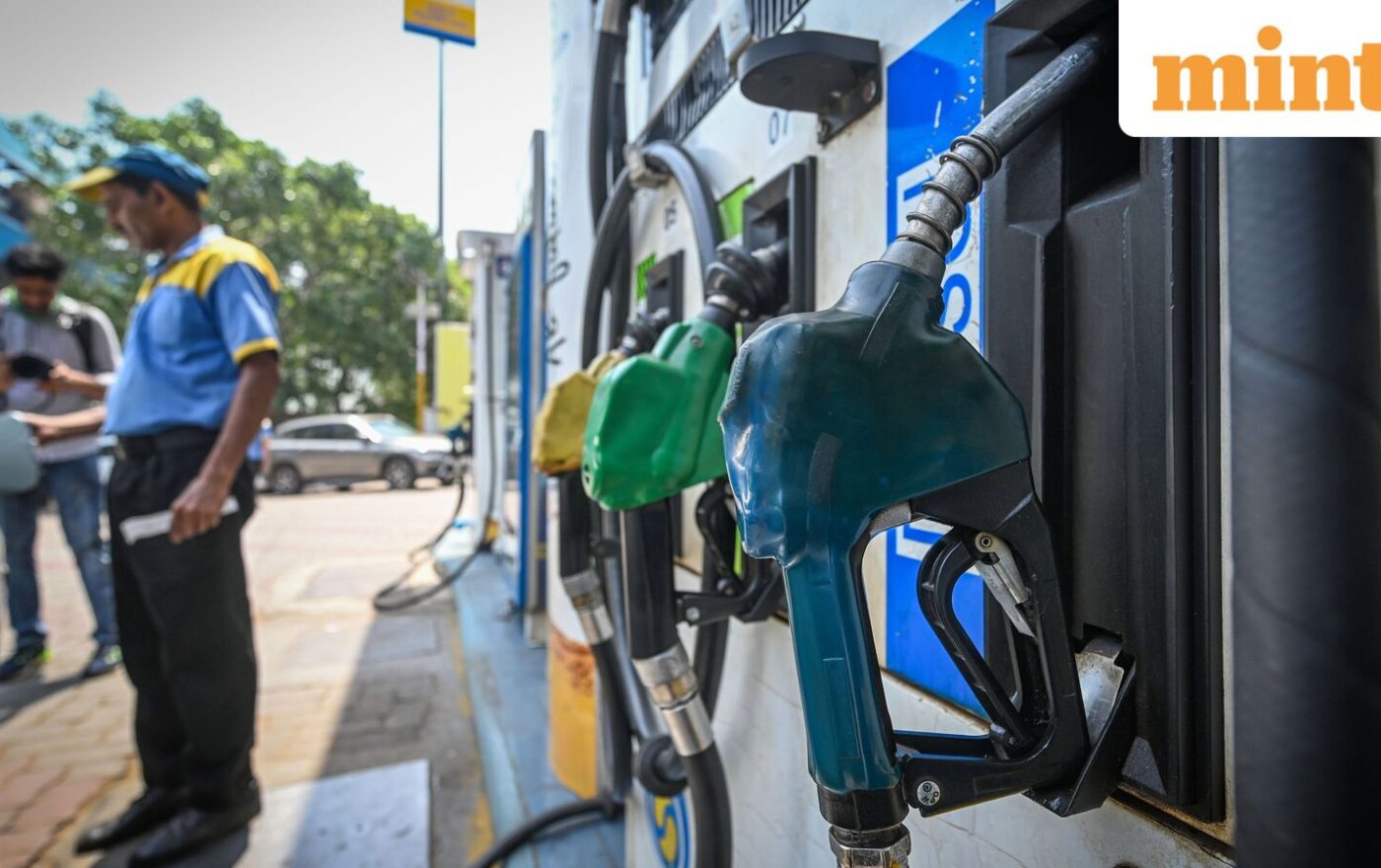
Petrol and Diesel Prices on June 17: Latest Updates and Analysis
Theindiapostdaily.com – On June 17, petrol and diesel prices in India remained unchanged, reflecting a plateau after a series of recent hikes. The latest adjustment came following a sharp increase on May 25, where oil marketing companies (OMCs) raised fuel costs by over ₹2.50 per litre. Since May 15, cumulative price rises have pushed petrol and diesel to nearly ₹7.5 higher per litre across major cities. This update provides a comprehensive overview of the current fuel cost scenario in key urban centers, including Chennai, Bengaluru, Delhi, Kolkata, Mumbai, Hyderabad, and Gurugram.
Global Geopolitical Factors Influencing Fuel Costs
The ongoing US-Iran conflict has continued to create uncertainty in global energy markets, contributing to the recent price fluctuations. This has led to the fourth upward revision in less than two weeks, as OMCs navigated the delicate balance between supply chain disruptions and domestic demand. The Strait of Hormuz, a vital artery for nearly 20% of the world’s oil and gas trade, remains a focal point, with its strategic importance amplifying the impact of any regional tensions. India, which sources 40% of its crude oil from Gulf nations, has felt the ripple effects of these disruptions, though recent developments hint at potential stabilization.
“Oil prices cannot remain at their current height for a very long time and are expected to fall in the months ahead,” said Union Oil Minister Hardeep Singh Puri, who emphasized that “enough stocks are available” amid the crisis. The minister’s comments suggest a cautious optimism about the long-term trajectory of fuel costs, despite the short-term volatility caused by geopolitical events.
Regional Fuel Price Breakdown and Consumer Impact
On June 17, petrol and diesel prices remained stable across most cities, with Delhi witnessing a slight rise to ₹102.12 per litre for petrol and ₹95.20 for diesel. In Chennai, the price of petrol stayed at ₹99.50, while diesel remained at ₹92.49. Bengaluru saw similar trends, with petrol at ₹99.20 and diesel at ₹92.50. Kolkata, Mumbai, and Hyderabad also maintained consistent pricing, though Gurugram experienced a marginal increase, bringing petrol to ₹99.70 and diesel to ₹93.00. These figures highlight the varied regional dynamics in fuel pricing, with some cities seeing minimal changes while others face slight upward pressure.
Consumers across India are grappling with the cumulative effect of these adjustments, which have driven petrol and diesel costs up by 7.8% and 8.6% respectively since May 15. The steady rise has prompted discussions about the impact on daily commuting, transportation, and overall economic activity. Analysts warn that while the current prices remain manageable, sustained increases could pressure inflation and affect household budgets, particularly in urban areas with higher vehicle ownership rates.
Market Reactions and Future Outlook for Fuel Prices
Global oil markets saw a decline on June 17, with Brent crude futures dropping below $80, the lowest since March 2026. This downward trend was fueled by expectations of increased Iranian oil supply under a pending peace agreement, which could ease pressure on international energy prices. Meanwhile, US gasoline prices fell to around $4 per gallon, reversing earlier spikes that had pushed them above $4.56 in May. These movements underscore the interconnectedness of global markets and the potential for geopolitical developments to influence domestic fuel prices in India.
The anticipated peace deal between the US and Iran, set to be finalized on June 19, includes financial incentives for Iran, such as the ability to sell oil immediately. This could help replenish India’s stockpiles, which have been affected by delayed shipments from Gulf nations. However, the full impact of these adjustments will depend on the speed of supply chain recovery and the broader economic environment. As petrol and diesel prices on June 17 remain stable, the next few weeks will be critical in determining whether the trend of steady increases continues or begins to reverse.
For those seeking to understand the financial implications, tracking petrol and diesel prices on June 17 offers insights into how market forces shape the cost of fuel. With OMCs playing a key role in managing supply and demand, the next few weeks will likely see further adjustments based on global price movements and domestic economic indicators. As the nation’s fuel cost landscape evolves, staying informed about petrol and diesel prices on June 17 and beyond is essential for both consumers and businesses.