‘Organ involvement possible’: Doctor warns as Sonam Wangchuk refuses to end hunger strike; fast enters 20th day
As the 20th day of Sonam Wangchuk’s hunger strike
Organ Involvement Possible as Sonam Wangchuk Enters 20th Day of Hunger Strike
Theindiapostdaily.com – As the 20th day of Sonam Wangchuk’s hunger strike approaches, medical experts have raised concerns about potential organ involvement, warning of the physical toll the prolonged fast could take. Dr. Satish Lamba, a member of the health team monitoring the activist’s condition, shared updates with ANI, indicating that the fast has reached a critical stage. “The individual’s weight has decreased to 56.55 kg, losing 350 grams in the last 24 hours. Blood pressure remains stable at 108/68, blood sugar at 70 mg/dL, and pulse rate at 72 per minute,” he stated. While hydration levels are acceptable, mild dehydration is evident. The doctor emphasized that organ involvement possible is now a significant risk due to the extended duration of the fast and the body’s physiological responses to starvation.
Refusal to Call Off the Strike
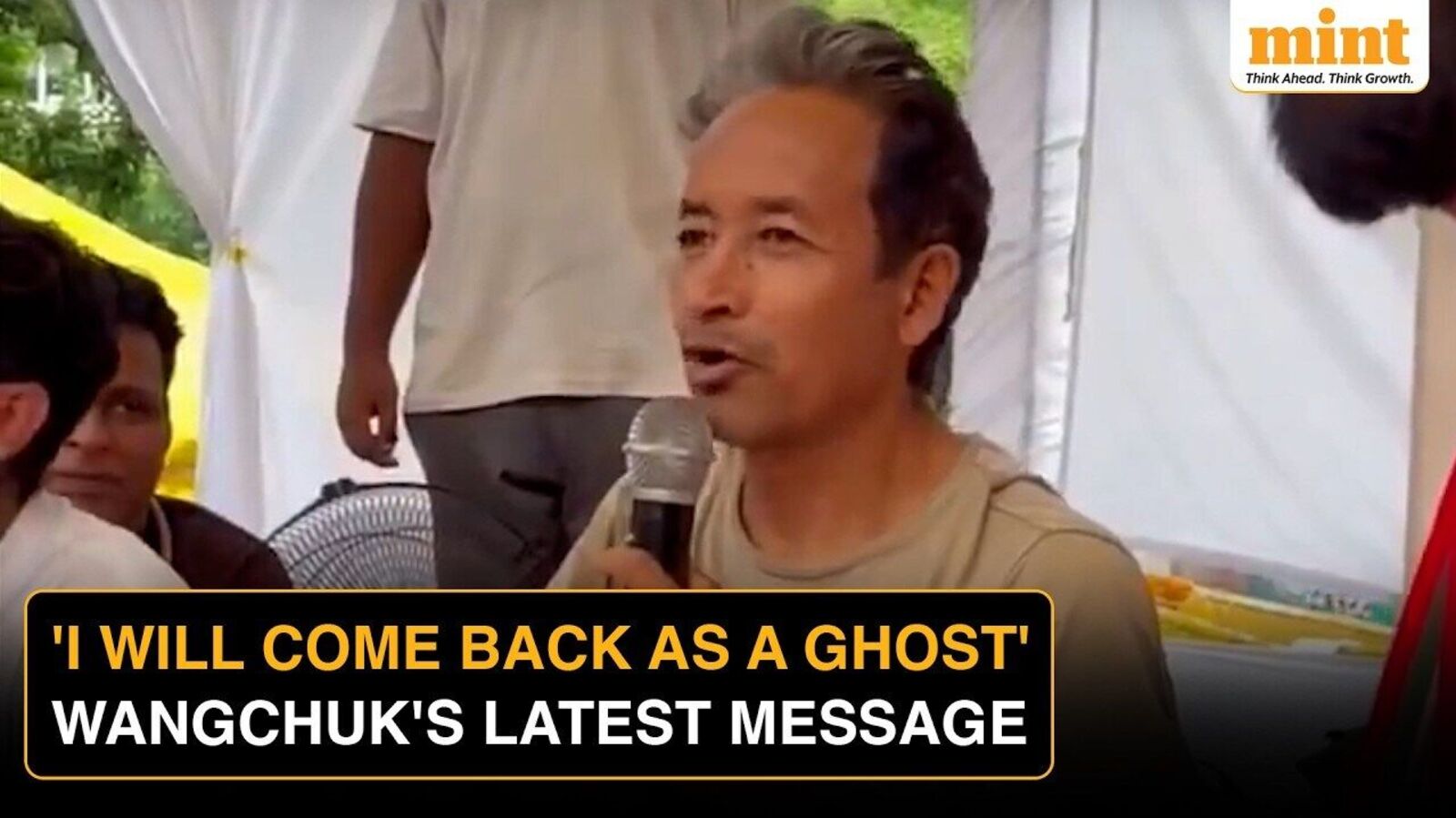
Despite growing medical warnings, Wangchuk has remained resolute in his decision to continue the hunger strike. In a recent address to supporters, he declared,
“I am weak from the outside but very strong inside. I am certain all of you are strong from within, and externally as well. This energy is crucial for July 20, when we will march to Parliament to present our demands.”
He further vowed,
“I will stay alive until July 20 at any cost. If the government does not respond and the march fails, I will return as a ghost.”
His commitment to the cause stems from a belief that ending the fast prematurely would weaken the message of his protest, which is centered on holding the government accountable for alleged irregularities in the NEET-UG paper leak scandal.
Medical Concerns and Pivotal Phase
The hunger strike, which began on June 28, has resulted in a total weight loss of 9.5 kilograms. Dr. Lamba highlighted that Wangchuk’s condition has progressed to a pivotal phase, where the body begins to show more pronounced signs of stress. He noted that while hydration and basic vital signs are within acceptable ranges, the risk of organ involvement possible is now heightened. The doctor explained that prolonged fasting can lead to depletion of essential nutrients, affecting organs such as the kidneys, liver, and heart. “The body starts to prioritize vital functions, which could mean that non-essential organs may be compromised if the fast continues,” he added.
Protest Context and Government Response
Wangchuk’s hunger strike at New Delhi’s Jantar Mantar is part of a broader movement led by the Cockroach Janta Party (CJP), which has been demanding the resignation of Education Minister Dharmendra Pradhan over the NEET-UG paper leak controversy. The protest, now in its 28th day, has garnered support from various opposition leaders and activists. The Delhi High Court has mandated daily health monitoring and instructed medical teams to intervene if Wangchuk’s condition worsens. This legal oversight underscores the gravity of the situation, with the government facing mounting pressure to address the concerns raised by the protesters.
The Impact of Prolonged Fasting
As the hunger strike enters its 20th day, the medical team has stressed the importance of maintaining vigilance. Dr. Lamba warned that the body’s response to starvation can lead to a range of complications, including electrolyte imbalances, fatigue, and weakened immunity. He also mentioned that the risk of organ involvement possible could escalate if the fast continues beyond the current phase. “We are closely observing his condition, but the next few days will be crucial,” he said. The health team has advised that the situation could reach a tipping point if Wangchuk does not receive adequate medical support or if his body begins to show signs of more severe strain.
Public Support and the Broader Movement
Wangchuk’s decision to continue the hunger strike has galvanized public support, with many viewing his sacrifice as a powerful symbol of the movement’s resolve. His supporters have been maintaining a constant presence at Jantar Mantar, ensuring that he remains visible and motivated. The campaign has also sparked widespread discussions about the role of hunger strikes in political activism, with some experts highlighting their effectiveness in drawing attention to urgent issues. As the 20th day approaches, the focus remains on the potential for organ involvement possible, with activists hoping that the continued protest will force the government to take decisive action on the NEET-UG irregularities.