Not just CJP, these are other major protests happening across India right now
Across India, a wave of public demonstrations is gaining momentum, addressing a wide array
Major Protests Across India Highlight Diverse Causes and Responses
Theindiapostdaily.com – Across India, a wave of public demonstrations is gaining momentum, addressing a wide array of social, economic, and political issues. From urban centers to rural regions, citizens are rallying against policies that affect their livelihoods, constitutional rights, and environmental concerns. These movements range from student-led strikes to tribal community protests, reflecting a growing demand for accountability and change. While the Central Government’s decision to withdraw the controversial farm laws sparked nationwide attention, the current protests are broader in scope, highlighting the diverse challenges faced by different sections of society.
Delhi Police Crackdown and CJP’s Persistent Resistance
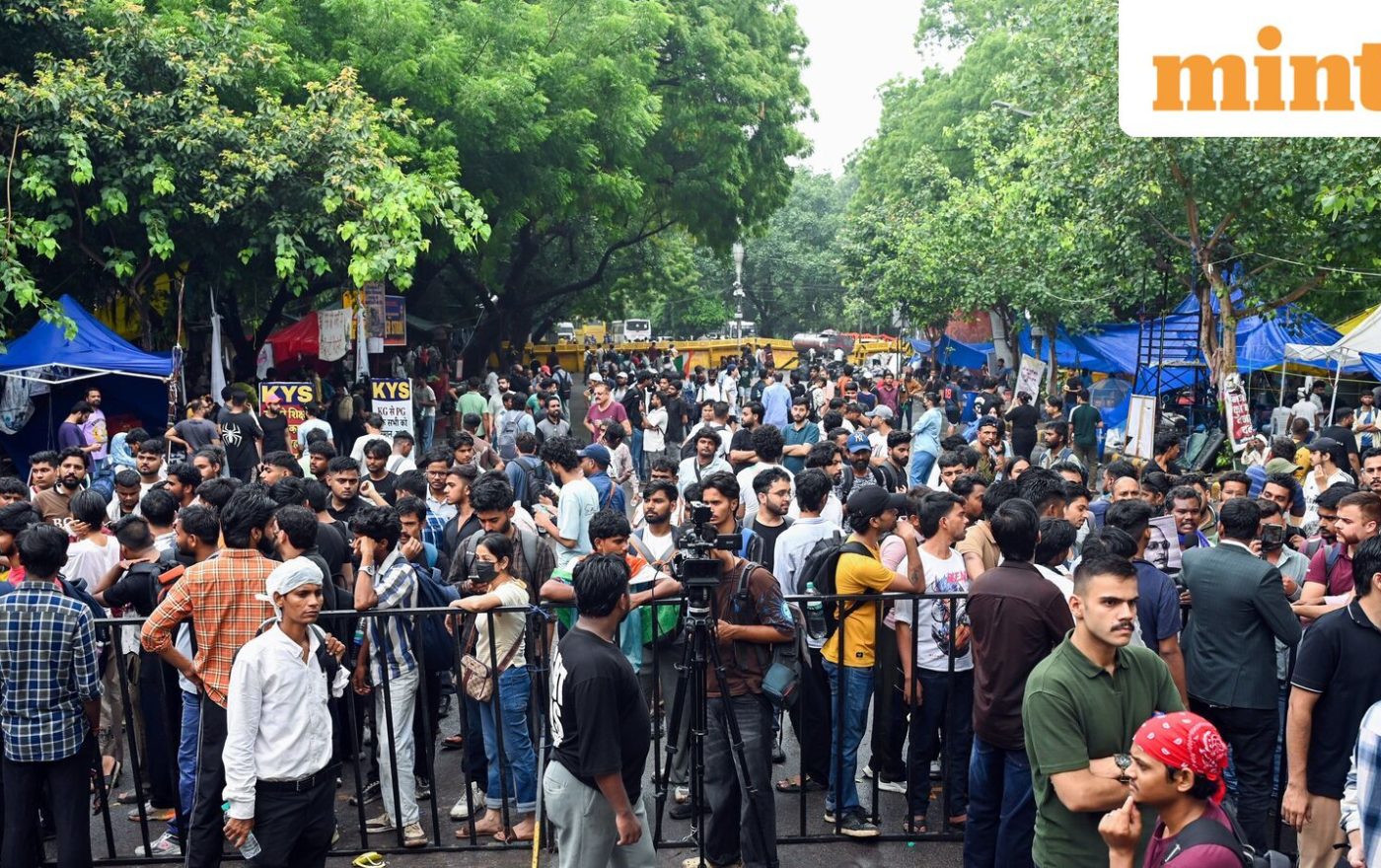
The recent protest by the Cockroach Janta Party (CJP) has become a focal point for debates on governance and public order. On Monday, Delhi Police deployed tear gas and lathicharge to disperse a crowd of demonstrators marching toward Parliament, demanding the resignation of Union Education Minister Dharmendra Pradhan. The violent dispersal of the protest drew criticism from opposition parties and civil society groups, with several police officers injured in the clashes. Five FIRs were filed to document the incidents, sparking renewed discussions about the use of force in crowd control.
“The government will now have to come to Jantar Mantar to talk to us,” said a CJP spokesperson, emphasizing the need for direct engagement. The party, known for its vocal criticism of government policies, has called the crackdown a “provocative move” that risks alienating the public. While the CJP’s immediate demands remain focused on education reforms, their actions have also galvanized broader support for citizens’ rights to protest without fear of excessive force.
Farmer Protests and the India-US Trade Deal Debate
Thousands of farmers from Punjab and Haryana are gathering at the Shambhu border, preparing for a Kisan Mahapanchayat in Delhi. Their campaign against the proposed India-US trade agreement has intensified, with participants fearing that it will jeopardize local agriculture and rural livelihoods. The agreement, which aims to boost exports of Indian products to the United States, has been met with resistance due to concerns over reduced tariffs on agricultural imports and the potential displacement of small-scale farmers.
Representatives from farming unions argue that the deal will flood the market with subsidized foreign produce, threatening domestic dairy producers and traditional farming practices. In response, Haryana Police have fortified checkpoints and erected barricades to prevent the protest convoy from reaching the capital. Despite these measures, the farmers continue to demand a thorough review of the agreement, highlighting the tension between economic growth and rural interests.
Statehood Movement and the Demand for Autonomy
The National Conference has reignited the call for the restoration of Jammu and Kashmir’s statehood, drawing support from a coalition of political leaders and activists. The protest, held in Delhi, was organized to voice concerns over the Centre’s alleged breach of commitments to grant greater autonomy to the region. Chief Minister Omar Abdullah and party president Farooq Abdullah criticized the government’s handling of the Kashmir issue, accusing it of undermining the region’s cultural and political identity.
The demonstration began near Jantar Mantar, where protesters gathered to raise slogans for self-governance, and then moved to Mavalankar Hall to address lawmakers. This movement, which has historical roots in the 1947 partition, has seen renewed vigor as discussions around Article 370 and the region’s administrative structure dominate national discourse. The participants argue that the current governance model fails to address the unique challenges of Jammu and Kashmir, demanding a return to a more representative political framework.
Tribal Communities and the Ken-Betwa Agitation
In Madhya Pradesh, the 15-day Ken-Betwa Link Project protest, led by tribal groups, concluded on Sunday. The demonstration near the Barana River in Chhatarpur district brought together thousands of Indigenous communities who opposed the displacement of their lands and the destruction of forests. The state government, under pressure from the protesters, cleared the site and escorted participants back to their villages, marking the end of the agitation.
While the protest has ended, the underlying issues remain unresolved. Tribal leaders have emphasized that the compensation and rehabilitation measures offered by the government are insufficient, as they fail to account for the loss of ancestral lands and the disruption of traditional lifestyles. The movement has also highlighted the importance of environmental conservation and the need for inclusive decision-making processes that involve local communities in projects affecting their territories.
Uttarakhand’s Environmental Standoff and Policy Adjustments
Protests in Uttarakhand have led to a temporary halt in the felling of 4,369 trees for the Rishikesh highway expansion. Chief Minister Pushkar Singh Dhami announced the pause after environmental activists and local communities urged an alternative route to minimize ecological damage. The decision reflects a growing awareness of the impact of infrastructure projects on natural ecosystems and the need for sustainable development.
“This is not just about trees; it’s about preserving the region’s natural heritage for future generations,” stated a representative from the Uttarakhand Pradesh Congress Committee. The protest has also prompted discussions on balancing economic growth with environmental conservation, as the government considers revising the project’s design to align with the demands of local stakeholders.
Broader Implications and the Path Forward
Although these protests address distinct concerns, they all reflect a rising trend of citizens mobilizing against policies that affect their livelihoods, natural resources, and constitutional rights. The CJP’s actions, farmer demonstrations, statehood demands, and tribal resistance are interconnected by a common thread: the pursuit of justice and equitable representation. As these movements gain traction, they are likely to influence public opinion and policy decisions, pushing the government to address grievances more proactively.
With the upcoming elections looming, the protests are also shaping the political landscape. Opposition parties are using these issues to rally support, while the ruling government faces increasing pressure to demonstrate transparency and responsiveness. The continued engagement of civil society and grassroots organizations ensures that these protests will remain a significant force in India’s democratic process, driving change and fostering dialogue on pressing social and economic challenges.