Nisarga Adhikary, teen who exposed flaws in CBSE’s OSM system, hired by IIT Kanpur
Nisarga Adhikary, Teen Who Exposed CBSE OSM System Flaws, Joins IIT Kanpur Theindiapostdaily.com – Nisarga Adhikary, a 17-year-old prodigy, has made headlines for uncovering critical vulnerabilities in the Central Board…
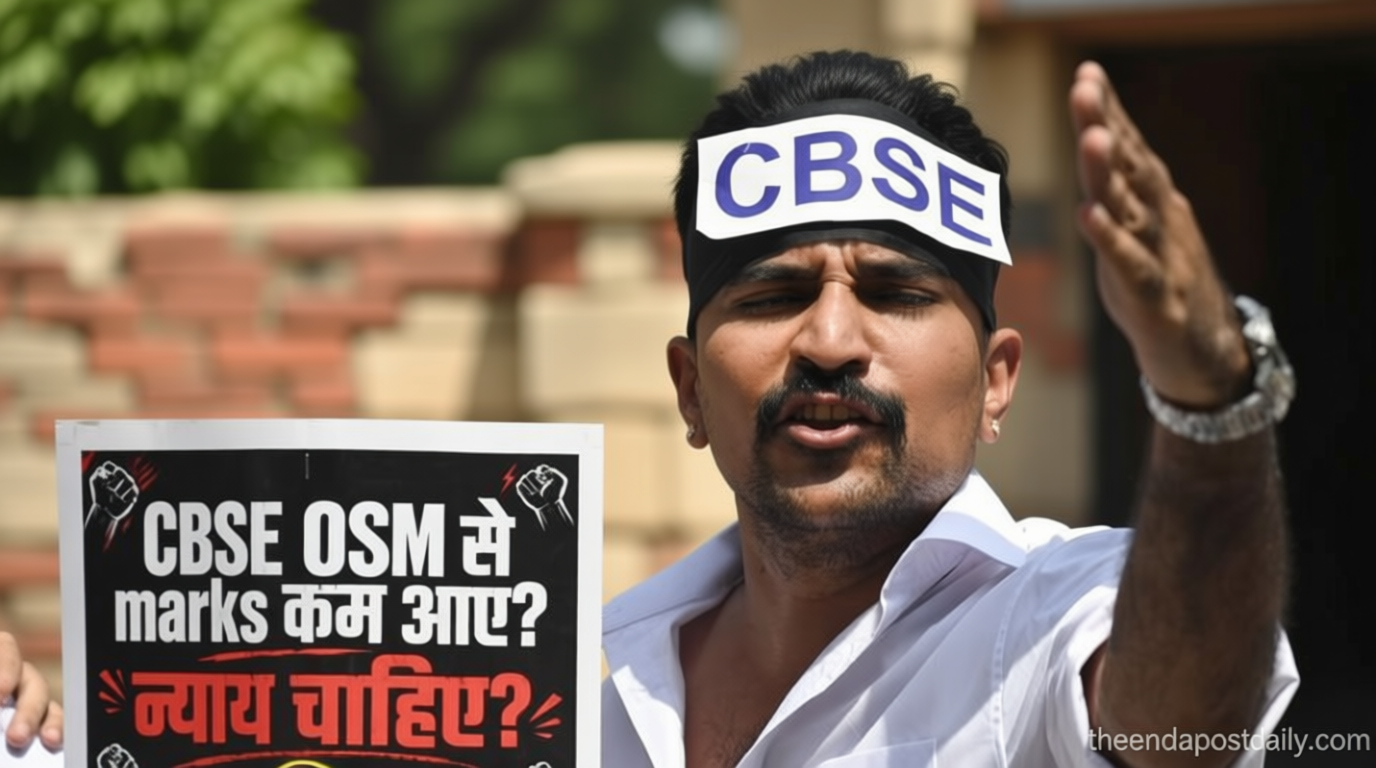
Nisarga Adhikary, Teen Who Exposed CBSE OSM System Flaws, Joins IIT Kanpur
Theindiapostdaily.com – Nisarga Adhikary, a 17-year-old prodigy, has made headlines for uncovering critical vulnerabilities in the Central Board of Secondary Education’s (CBSE) on-screen marking (OSM) system. His meticulous analysis led to a widespread debate about the security of digital evaluation processes in India’s education system. Now, Adhikary has been appointed as a cybersecurity researcher at IIT Kanpur’s Center for Cybersecurity Innovation and Technology (C3iHub), marking a significant milestone in his journey. This development highlights the growing recognition of young talent in addressing systemic issues within educational technology.
How the Flaws Were Uncovered
Adhikary’s findings, shared on May 22, exposed weaknesses in the OSM platform used for grading Class 12 exams. By analyzing the system’s architecture, he identified potential entry points that could allow unauthorized access to examiner accounts. This risk could lead to manipulation of scores, creating concerns about the fairness of the grading process. His report, which detailed five critical vulnerabilities, was sent to CERT-In, India’s cybersecurity agency, but the CBSE responded with minimal acknowledgment. The controversy intensified as students noticed discrepancies between their handwritten answers and the digitally marked results, sparking calls for transparency.
“The OSM system was supposed to streamline grading, but it ended up becoming a target for exploitation. My goal was to highlight how easily the system could be compromised, not just for CBSE but as a warning for others,” Adhikary said in an interview.
A Young Mind in a Serious Role
Adhikary’s appointment at IIT Kanpur underscores the value of fresh perspectives in cybersecurity. The institute’s director, Manindra Agrawal, praised the teenager’s initiative, noting that his work demonstrated a deep understanding of technical and systemic challenges. Agrawal emphasized that IIT Kanpur has long supported young innovators, with past hires of similar age groups for cybersecurity roles. “Nisarga’s appointment is a testament to how far young minds can go when given the right platform,” Agrawal added. The move also reflects a broader trend of educational institutions investing in next-generation problem solvers.
The Ripple Effect of the OSM Controversy
The exposure of vulnerabilities in the OSM system not only impacted CBSE but also triggered a national conversation about digital infrastructure in education. Students, parents, and educators raised concerns about the reliability of the grading process, with some accusing the board of poor oversight. The issue forced the government to intervene, leading to the removal of two senior CBSE officials for alleged irregularities. A thorough investigation was launched to assess the OSM system and the contract with the marking service provider. Adhikary’s work became a catalyst for these changes, showcasing how a single report can influence policy and procedural reforms.
Adhikary, a student at the Indian Institute of Technology Kanpur’s outreach program, began his cybersecurity journey at an early age. His blog post, which gained traction online, was a culmination of months of research into the OSM system. “I’ve always been curious about how systems work, and when I noticed inconsistencies in the grading portal, I felt compelled to investigate further,” he explained. His ability to bridge technical expertise with critical thinking has positioned him as a key player in the evolving cybersecurity landscape.
Impact on the Education Sector
The OSM system, introduced to digitize the grading process, aimed to reduce human error and expedite results. However, its flaws raised questions about the balance between efficiency and security. Adhikary’s report emphasized that while the system offered convenience, it also created opportunities for tampering. This has prompted discussions about the need for robust verification mechanisms in digital platforms. Experts in the field have since praised his work, calling it a “landmark case of youthful innovation in cybersecurity.” The incident also led to increased scrutiny of the outsourcing practices in educational technology, with calls for stricter contracts and oversight.
Future Implications for Young Researchers
Adhikary’s appointment at IIT Kanpur serves as an inspiration for other young researchers and students interested in cybersecurity. His case demonstrates that age is no barrier to making meaningful contributions to complex systems. The institute plans to integrate more such initiatives into its curriculum, encouraging interdisciplinary collaboration between students and professionals. “This is a win for innovation and a reminder that the future of cybersecurity lies in the hands of tomorrow’s thinkers,” said Agrawal. As Adhikary begins his role, he hopes to develop solutions that address both technical and human factors in digital systems.
With his work in the spotlight, Adhikary remains focused on pushing boundaries in cybersecurity. He plans to continue exploring vulnerabilities in educational platforms, aiming to create a more transparent and secure environment for students. His journey from a curious teenager to a recognized researcher highlights the power of technology to transform how we approach problems. As IIT Kanpur embarks on new projects, it’s clear that Nisarga Adhikary’s contributions will shape the future of digital education in India.