Narayana Murthy on service, technology and education: ‘What matters is intent and action’
Narayana Murthy on service technology and education stressed that meaningful work must be measured by its effect on people’s lives. Speaking at Aho Gurudev in
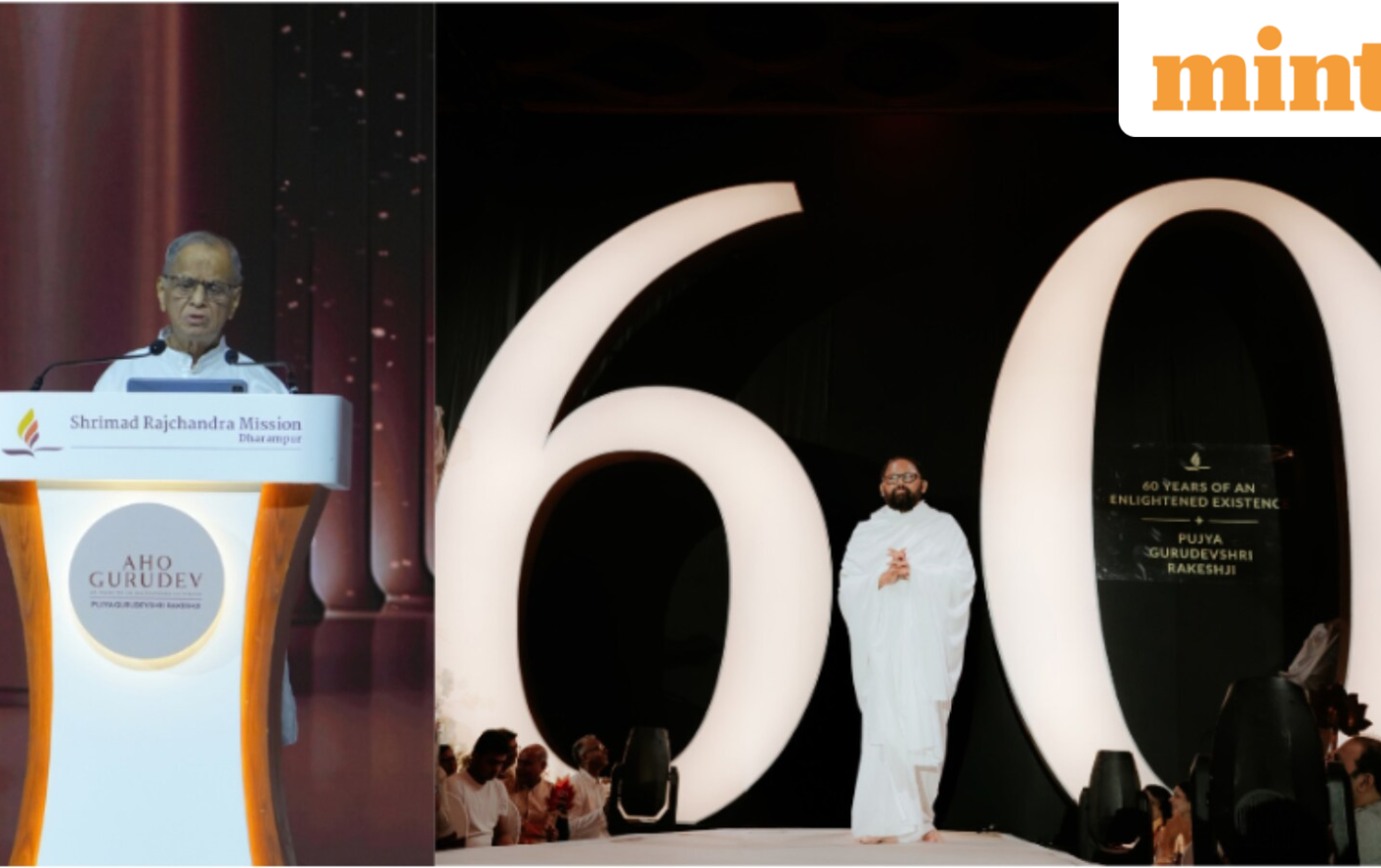
Narayana Murthy on Service, Technology and Education
Theindiapostdaily.com – Narayana Murthy on service technology and education stressed that meaningful work must be measured by its effect on people’s lives. Speaking at Aho Gurudev in Mumbai, the Infosys founder said intent must be matched by action, especially in areas such as healthcare, learning, animal welfare and community support.
The event marked the 60th birth anniversary of Pujya Gurudevshri Rakeshji. Shrimad Rajchandra Mission Dharampur introduced 60 spiritual and service initiatives during the gathering at the Jio World Convention Centre on 25 and 26 September, attended by people from 214 cities across 24 countries.
“What matters is intent and action rather than empty words.”
Service Should Bring Real Relief
Murthy said public appreciation and speeches are not the true test of an institution’s value. What matters, he said, is whether doctors, teachers, veterinary professionals and care-centre workers can provide real relief to the people who depend on them.
“Institutions are recognised by the outcomes they produce for the people they serve. No amount of big speeches from the podium, no amount of plaudits, none of these things matters. What matters is that doctor, that veterinary doctor, that teacher, that care centre worker actually bring a moment of relief,” Murthy said.
His message placed everyday human outcomes at the centre of service. For someone seeking medical help, education or assistance for a family member, practical support can matter far more than public recognition for the organisation delivering it.
Technology Can Expand Equal Access
Narayana Murthy on service technology also welcomed a community-development application launched by the mission. The app is designed to help rural households identify government schemes they may be eligible for and understand how to access available benefits.
Murthy drew on more than five decades in the technology sector to explain how digital systems can make services easier to reach. When designed for broad access, technology can offer people information and support without discrimination based on education, caste, gender or economic background.
Technology “offers the same quality, courtesy and speed of service at the same cost to everyone regardless of education, caste, gender or economic standing,” Murthy said.
He added that accessible technology can strengthen confidence and dignity among poorer citizens. Digital tools, in this view, are most valuable when they help people navigate systems that may otherwise feel distant or difficult to understand.
“Above all it gives the poor confidence and dignity, without which no nation can claim to have made progress”.
Education as a Basic Human Need
Education was another key theme of Murthy’s address. He said learning deserves recognition as a basic human need alongside food, clothing, healthcare and shelter, because it equips people to understand opportunities and shape more secure futures.
Education “deserves to be treated as a basic human need alongside food, clothing, healthcare and shelter”.
Murthy noted that India achieved political freedom 79 years ago. His remarks linked national progress with the continued need to make education widely available, enabling more people to participate confidently in society and economic life.
Mission Dharampur’s Service Footprint
Shrimad Rajchandra Mission Dharampur was founded by Gurudevshri Rakeshji in 1994 around the principle of discovering one’s true self while serving others selflessly. Its international headquarters was established in Dharampur, South Gujarat, in 2001.
The organisation now operates through 136 centres across six continents. Its work includes a hospital network, while the 44-acre Jivamaitridham campus supports animal care. Its social programmes also include a de-addiction initiative across 2,000 schools and women’s livelihood centres whose products are sold in 26 countries.
FAQ: Service, Technology and Education
What was Narayana Murthy’s main message at Aho Gurudev?
Murthy said institutions should be judged by the practical relief and support they provide, rather than by speeches, praise or public visibility.
How can technology help rural households?
Technology can make information about government schemes more accessible, helping eligible families understand benefits and the steps needed to seek them.
Why did Murthy describe education as a basic need?
He said education should be treated alongside essentials such as food, clothing, healthcare and shelter because it helps people understand opportunities and build stronger futures.