Mumbai waterlogged after heavy rain, Priyanka Chaturvedi says, ‘Thank you, BMC. Not’
Mumbai Waterlogged After Heavy Rain: BMC Under Fire for Inadequate Response Theindiapostdaily.com – Mumbai faced severe waterlogging due to heavy rainfall on Tuesday, as the southwest monsoon made landfall, prompting…
Mumbai Waterlogged After Heavy Rain: BMC Under Fire for Inadequate Response
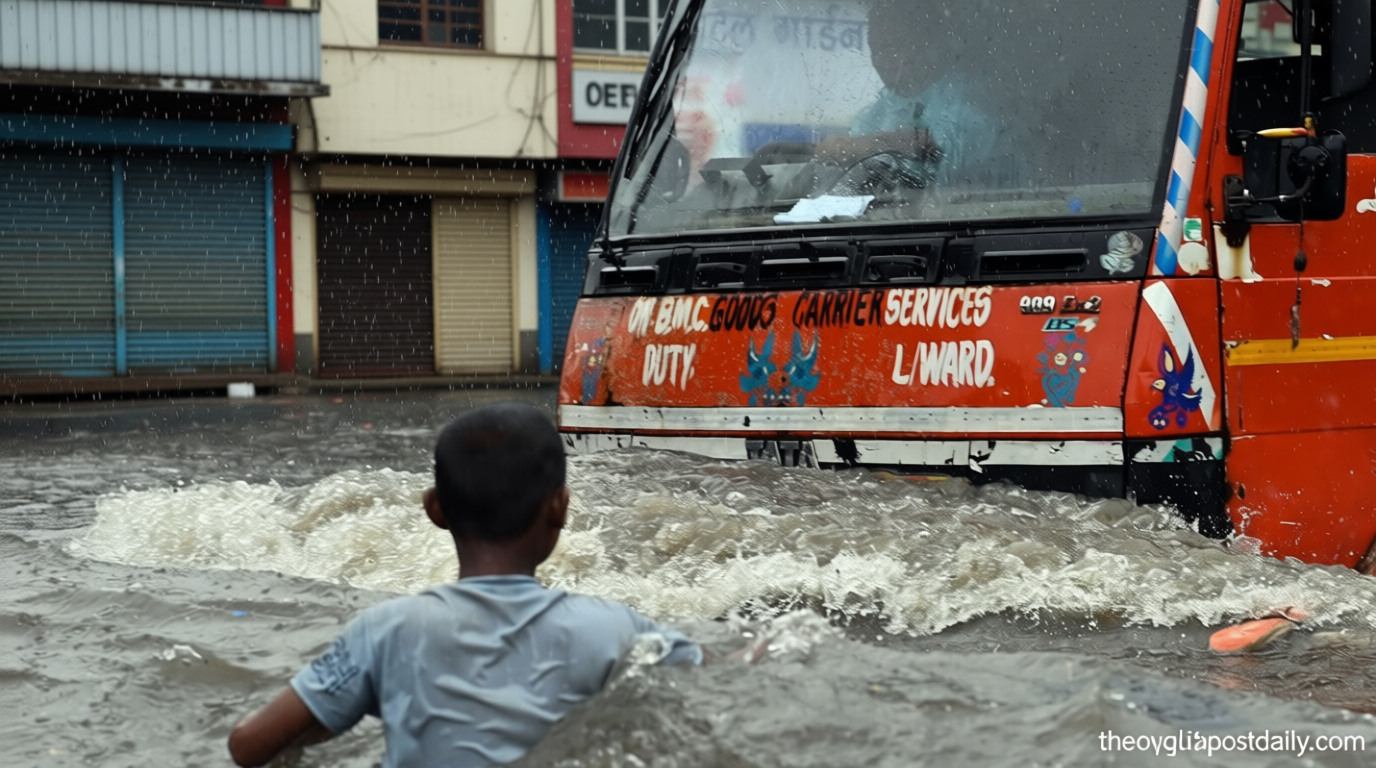
Theindiapostdaily.com – Mumbai faced severe waterlogging due to heavy rainfall on Tuesday, as the southwest monsoon made landfall, prompting sharp criticism from Shiv Sena (UBT) former MP Priyanka Chaturvedi. In a viral video shared on X, she emphasized the city’s vulnerability, stating, “Thank you, BMC. Not.” The footage highlighted submerged streets, disrupted transport, and the challenges faced by residents in coping with the monsoon’s sudden onslaught. The situation underscores the need for improved infrastructure and timely civic action in the face of extreme weather events.
Subway Floods and Infrastructure Concerns
Chaturvedi’s video focused on the Andheri subway, where water levels rose dangerously, forcing officials to station officers to prevent vehicles from entering the flooded underpass. “This is Andheri Subway. First heavy rains in Mumbai,” she remarked, drawing attention to the city’s outdated drainage systems. The clip showed a rickshaw driver struggling to navigate through the water, while BMC official Rhitik noted, “We’re working to ensure safety, but the situation is critical.” Despite efforts, the underpass remained a hotspot for delays and risks.
“Officers are stationed here to stop vehicles from entering, but some drivers still attempt to cross,” said Rhitik, highlighting the tension between civic preparedness and public awareness. He added that a rickshaw had become stuck in the subway, threatening the driver’s safety. “Two officers helped rescue him,” the official explained, emphasizing the challenges of coordinating emergency responses in real-time.
Another BMC representative, Robert, stated, “We are doing our best to prevent vehicles from entering the underpass. Our goal is to protect as many people as possible.”
The contrasting statements from officials reflect the complexity of managing a crisis that impacts thousands of commuters daily.
Monsoon Delay and Regional Rainfall Patterns
The southwest monsoon’s delayed arrival, landing 13 days after its usual onset, created a false sense of security before the deluge struck. Mumbai’s streets, which are typically prepared for seasonal rains, were unprepared for the intensity of the downpours. Some areas recorded over 200 mm of rain in a single day, overwhelming drainage systems and causing widespread inundation. The monsoon’s impact was felt across multiple districts, with Dadar railway station, King’s Circle, and Nalasopara among the hardest-hit zones.
As the weather worsened, the BMC faced scrutiny for its response. Officials acknowledged the strain on resources but stressed that water levels had not reached critical thresholds. “We are monitoring the situation closely and deploying additional crews to affected areas,” said one spokesperson. However, the chaos on Mumbai’s roads and railways suggested that the preparedness efforts were insufficient. Citizens reported delays in public transport and difficulty accessing essential services, raising questions about the city’s ability to handle extreme weather events in the future.
Disruptions Across Mumbai’s Key Corridors
The waterlogging extended beyond the subway, disrupting major commuter routes and causing chaos in areas like Malad East-West subway and APMC Vegetable Market. Residents shared photos of submerged roads and vehicles stuck in knee-deep water, highlighting the urgent need for better drainage solutions. The situation also impacted local markets, where vendors faced challenges in transporting goods and maintaining hygiene standards. In Navi Mumbai, water levels rose to dangerous heights, forcing schools and businesses to close temporarily.
Public transport systems were forced to adapt. Trains ran on time, but frequent stops and delays in suburban areas disrupted daily routines. Commuters described the experience as “catastrophic,” with some stranded for hours. The incident sparked conversations about the long-term implications of climate change on Mumbai’s infrastructure. “This is not just a one-time event,” said a local environmentalist. “We need sustainable investments to prevent recurring disasters.” The BMC, however, remains focused on immediate relief, with officials prioritizing flood-prone areas for rapid intervention.
The India Meteorological Department (IMD) issued a red alert for Mumbai and Palghar at 4 AM on Wednesday, warning of thunderstorms, lightning, and heavy rainfall. The alert was later downgraded to orange by 7 AM, predicting moderate to intense rains in districts like Thane and Raigad. This warning came as a relief to some, but also as a reminder of the city’s susceptibility to monsoon-induced flooding. Weather experts noted that the delayed monsoon had led to a rapid accumulation of water, catching local authorities off guard.